Tag: History

  • A Museum Where The Telegraph Is Alive And Well And Still On-The-Air

    A Museum Where The Telegraph Is Alive And Well And Still On-The-Air

    They report for duty in uniform — khaki shirt, name tag over the left breast shirt pocket, and a cap with an embroidered emblem that looks like lightning bolts. A patch on the left sleeve identifies who they are: National Park Service Volunteer. They’re surrounded by electronic relics— most still working— that take up space and make a lot of noise.

    Before the Internet, email, and satellite communications changed our lives, there was the telegraph—the lifeline of dots-and-dashes called Morse code, transmitted over the airwaves so ships at sea could talk to land-based radio stations. There were hundreds around the world and dozens in North America. Most have disappeared, with only one still on-the-air in North America— KPH radio station, San Francisco. The NPS volunteers are keepers of the faith, inside an art deco style building at the end of a long road canopied by Calfornia cypress trees on Point Reyes National Seashore.

    KPH Radio Station/Point Reyes

    In the heydey of the telegraph, mighty RCA (Radio Corporation of America)  owned KPH. Before moving to Point Reyes, KPH first operated from San Francisco’s Palace Hotel in 1905. A year later the Great San Francisco Earthquake struck and forced the station to relocate. It was regarded as the “wireless giant of the Pacific.” The station received incoming telegraph messages from its transmitter in nearby Bolinas, California, including the infamous message of December 7, 1941— the Japanese invasion of Pearl Harbor. At the time, Morse code was the only way ships could send distress signals. It was the standard ship to shore communication for 100 years, eventually replaced by advances in electronic communications technology near the end of the 20th century.

    The last Morse code ship messages to and from KPH ended on June 30, 1997. The National Park Service then stepped in and took over the KPH property. The building was shuttered for two years before Richard Dillman, president of the Maritime Radio Historical Society—a small volunteer group of self-described “radio squirrels”— convinced the National Park Service to let them bring KPH back to life. The non-profit group pays for the operation through small grants, donations, fundraisers, and money out of their own pockets. Dillman says he and others in the group find creative ways to fix and maintain some of the electronic relics. After all, spare parts are hard to find. A storage room inside KPH is a trip back in time as shelves are stacked with vintage radio receivers. Before the coronavirus pandemic, visitors to Point Reyes National Seashore could visit the KPH building every Saturday for tours, and observe volunteer radio operators communicate via telegraph over open maritime channels to the few ships around the world still equipped to send and receive telegrams. Now the KPH radio building is closed and will remain that way until California moves to phase 3 COVID-19 reopening. The state is currently in phase 1. Still, the closure has not deterred the KPH volunteers, according to Roy Henrichs, who heads operations and maintenance for the Maritime Radio Historical Society. “We are working to resume transmitting Morse broadcasts on maritime frequencies from an alternate transmit site in Valley Springs, CA, ” explained Henrichs via email. “That is experimental development work, but initial testing began last Saturday (September 5, 2020). That should keep us on the air through the end of the COVID event, as well as any future event that takes us off the air at Point Reyes.”

    A dedicated bunch of radio squirrels doing whatever it takes to stay on-the-air and preserve history.

    KPH PHOTO GALLERY

  • A Popular Old Lighthouse On The Edge Of The Pacific Gets A Makeover

    A Popular Old Lighthouse On The Edge Of The Pacific Gets A Makeover

    You can appreciate what it took to help ships navigate the rocky, fog-shrouded, and windswept northern Pacific coast when you journey far out to the isolated Point Reyes Lighthouse. It is a hike to get there. From the parking area at Point Reyes National Seashore, you first ascend a steep paved walking path and then descend a long winding stairway of more than 300 steps – the equivalent of a 30-story building. The trip back will tax your legs and raise your heart rate. Consider this before you go: The walk down to the lighthouse takes between 5-10 minutes; the return trip up is approximately 20-30 minutes or longer depending on your fitness level. At the top of the stairway, the lighthouse appears as a mere speck on the horizon. This no man’s land surrounded by water had no mercy on the human spirit. Lighthouse keepers spent lonely days perched on a cliff at the western tip of Point Reyes that juts 10 miles out into the sea. No other lighthouse in America experienced more fog and wind than Point Reyes. It still stands as a beacon in the Pacific nearly 150 years after it became operational in 1870. Until the lighthouse was retired by the U.S. Coast Guard in 1975, keepers occupied and maintained the house, the machinery, and the powerful Fresnel lens that alerted mariners.

    FRESNEL LENS/NPS PHOTO

    The lighthouse surely prevented casualties at sea, but not all. Over 50 shipwrecks still occurred, killing countless crews and passengers. Since the lighthouse has historical maritime significance, an ambitious full restoration project kicked-off in early August 2018. It took 13 months to complete and cost $5 million. Restoring the huge Fresnel lens was the centerpiece of the project. This required specialized work from a lampist who disassembled, repaired, and reassembled the lens’ 1,032 original crystal pieces made in Paris. The lighthouse’s observation deck is open to the public and is a great place to watch for marine life, especially gray whale migrations during winter and spring. If you love history, nature, and don’t mind an aerobic workout along the way, plan at least a half-day excursion out to the Point Reyes Lighthouse. Click the video below to learn more about the life of a lighthouse keeper, a behind-the-scenes look of their workplace, and the challenges they faced.

    If You Go…

    NPS PHOTO

    Bring your own food and water.

    Wear comfortable walking/jogging shoes.

    Wear layered clothing for fast-changing weather conditions, including fog and rain.

    Cell phone service is limited and sometimes non-existent.

    Pets are not allowed beyond the parking area.

    Public restrooms are available.

    Map Your Journey…

  • Gothic House Of Worship Stored Jesus’ Crown Of Thorns

    Gothic House Of Worship Stored Jesus’ Crown Of Thorns


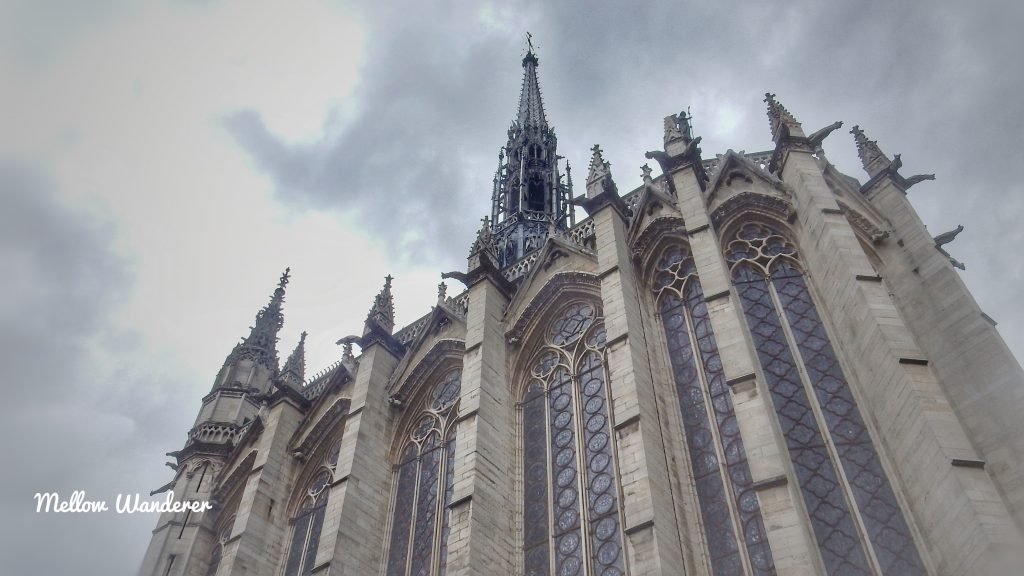
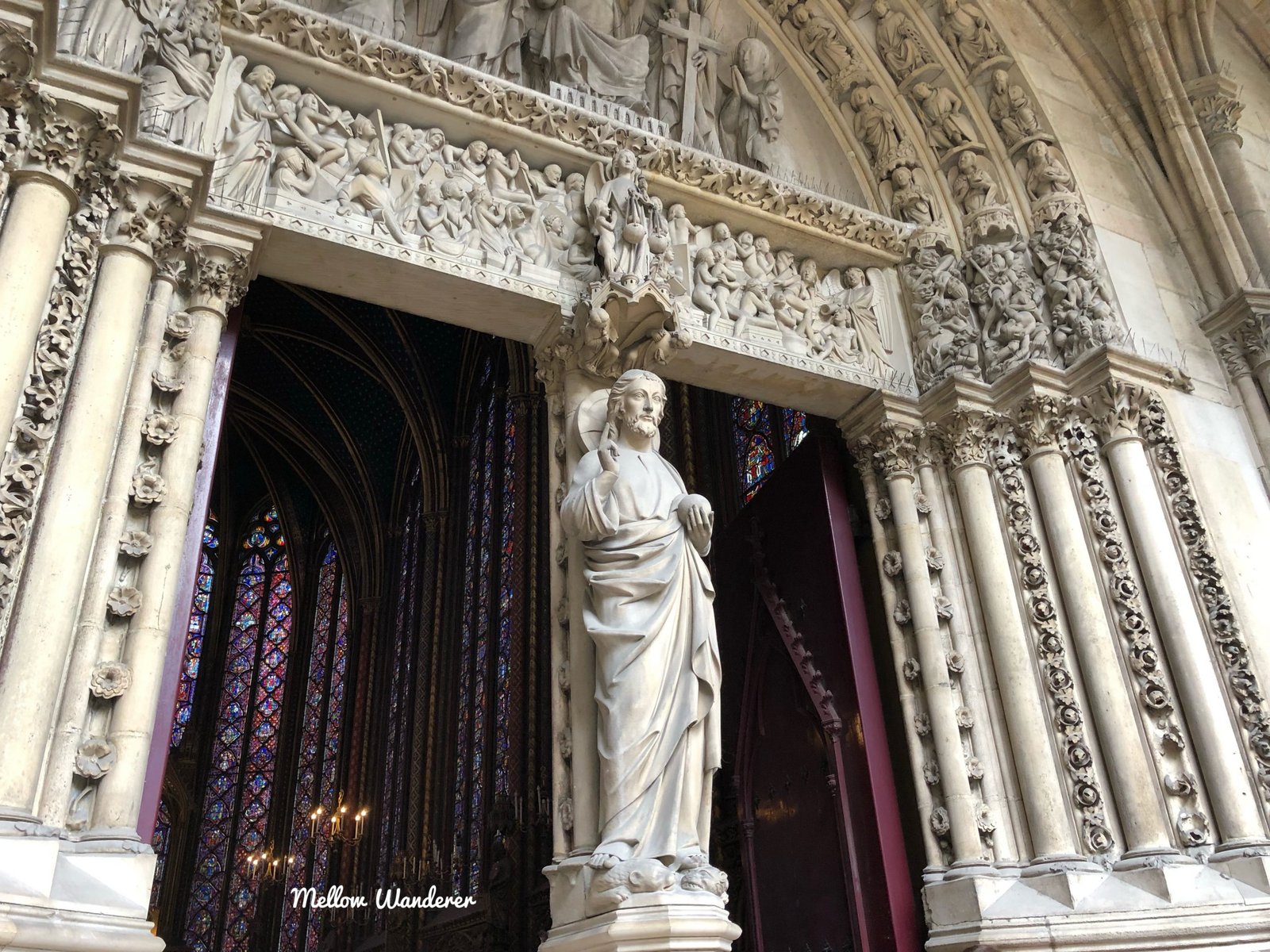
    In the center of Paris’ historic district, Sainte-Chapelle stands as a religious sanctuary fit for a king. Thank King Louis IX for his lavish spending on all things of grand scale. The bold gothic style Sainte-Chapelle is in the center of the royal residence known as Palais de la Cite´. Built in the 13th century between 1242 and 1248, Sainte-Chapelle is a stunning work of architecture. The spire rises 75 meters (246 feet) above street level. Construction on Sainte-Chapelle finished 80 years after Notre Dame Cathedral.

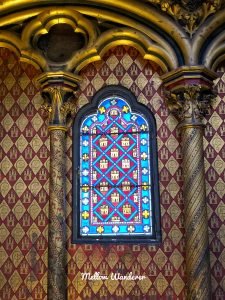
    Sainte-Chapelle’s moody exterior adorned with gargoyles around the perimeter of the roof is a stark contrast to the ornate interior of the upper chapel, with its more than 1,300 stained-glass panels. The upper chapel is a breathtaking work of art. A walkway connected the sanctuary to the royal residence so the ruling family could have exclusive access.  The upper chapel was also used for royal weddings and coronations. Louis IX had Sainte-Chapelle erected to store the Holy Relics of the Passion of the Christ, which came into his possession a year before construction started in 1239. Among the possessions was the Crown of Thorns worn by Jesus during his crucifixion.

    When the French Revolution broke out in the late 1700s, angry Revolutionaries stormed Sainte-Chapelle, and other iconic symbols of royalty and privilege, and ransacked the sanctuary, except for the stained-glass. Many of the Holy Relics disappeared. Some were later reclaimed, including the Crown of Thorns, and stored at Notre Dame Cathedral. Those same relics also survived the devastating Notre Dame fire in April of 2019. Sainte-Chapelle is an excellent tour to learn French history and heritage, art, and religion.


                                                                                                                                                                               Here are a few links to help you plan a visit:
    Paris Museum Pass

    Paris National Monuments

    Paris Information Guides

    Paris Transportation


  • Step Back In Time At Cedar Key

    Step Back In Time At Cedar Key

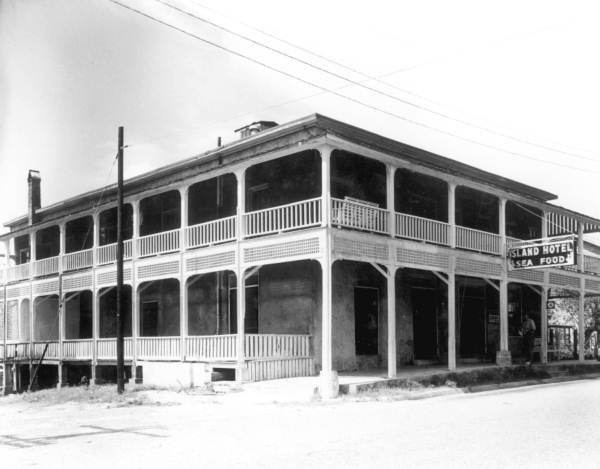
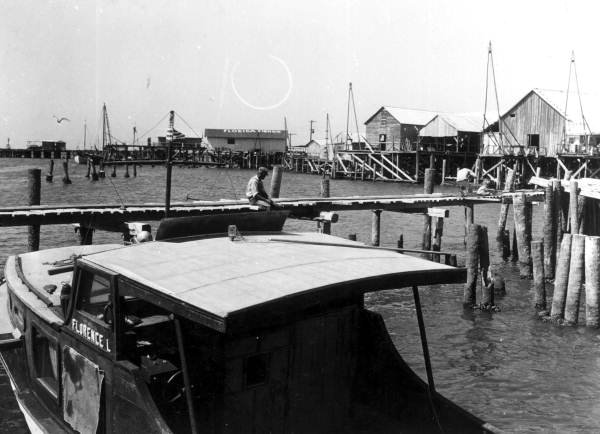
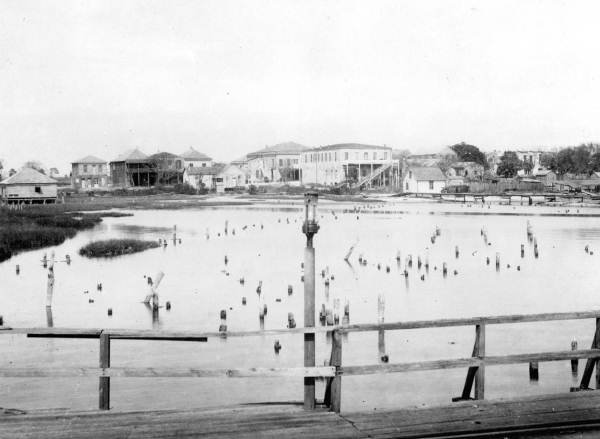
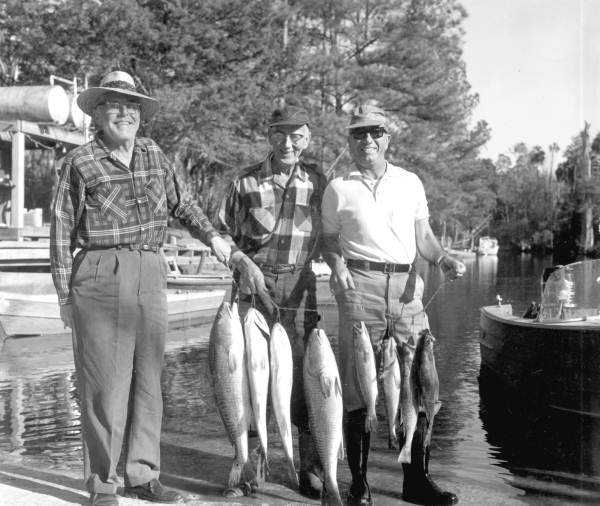
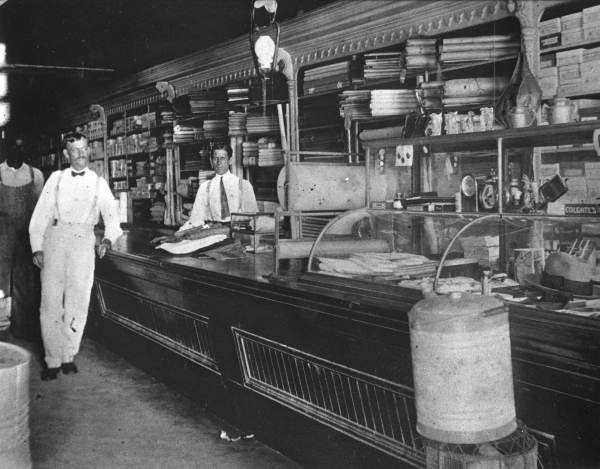
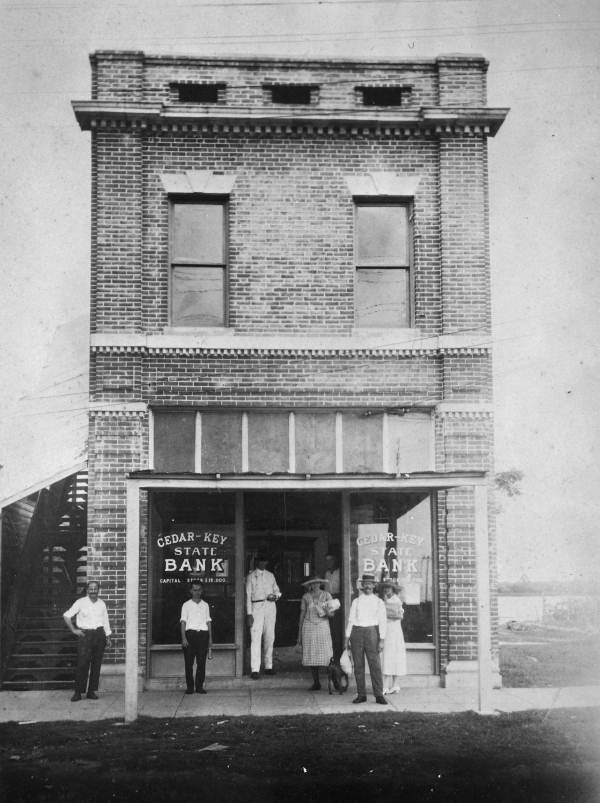
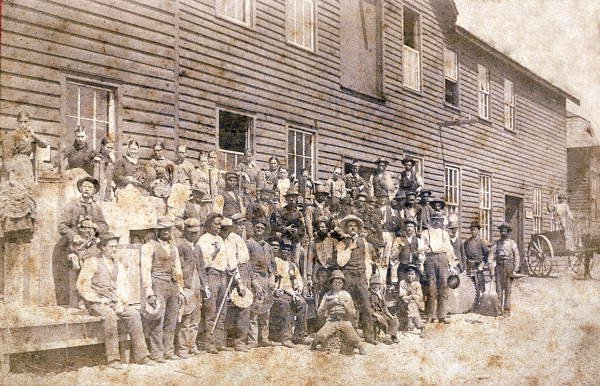
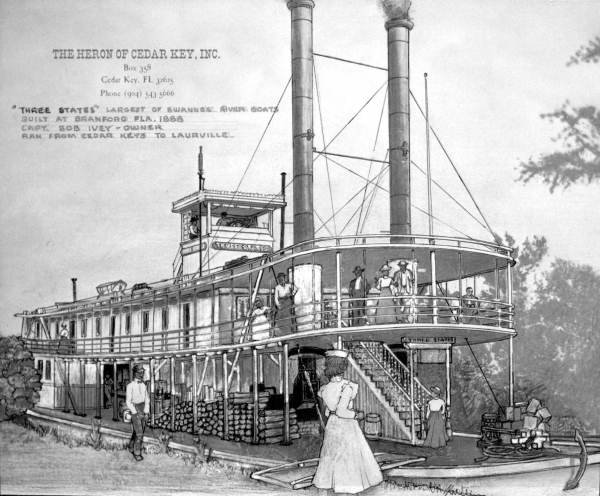
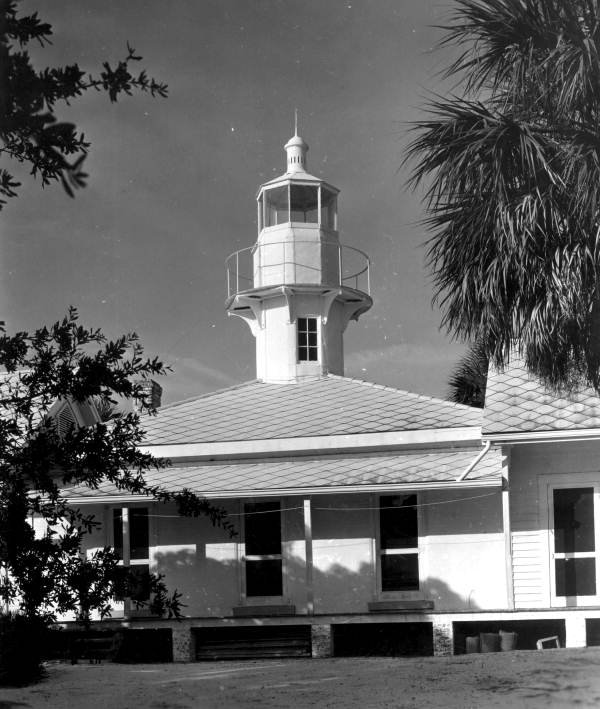
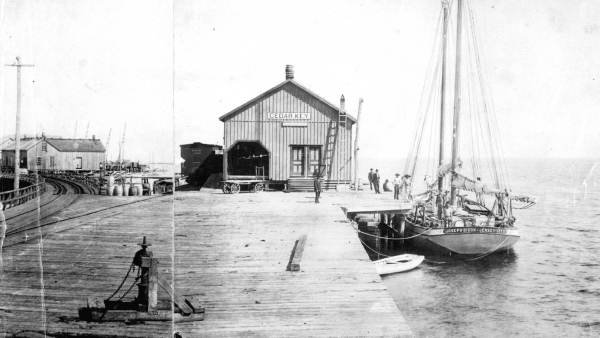
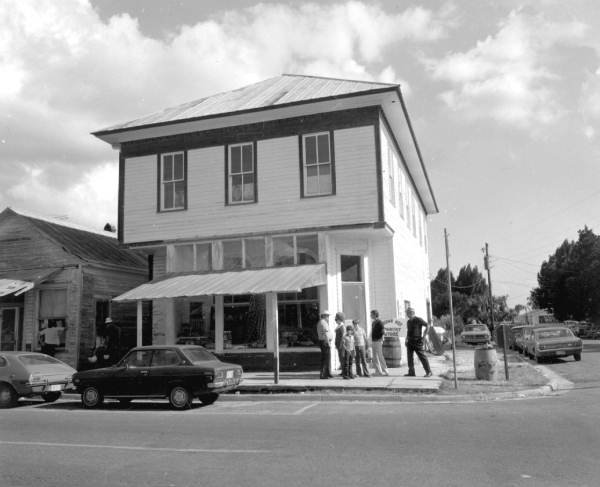
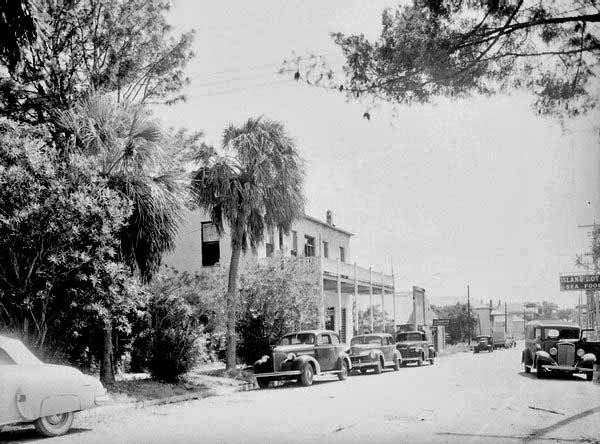
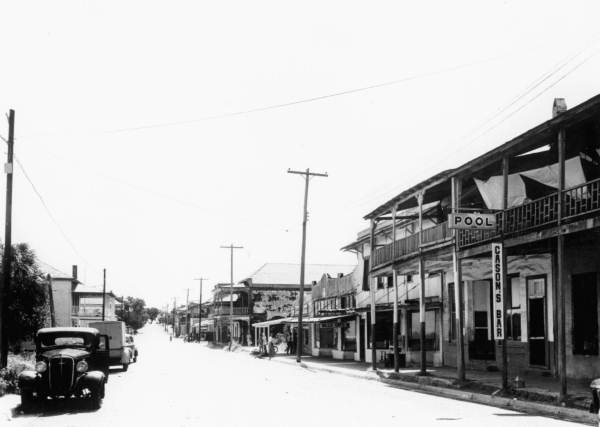
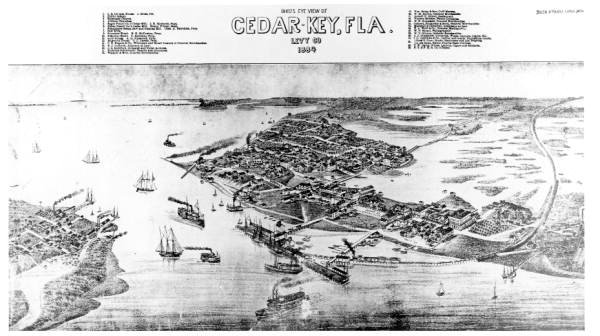
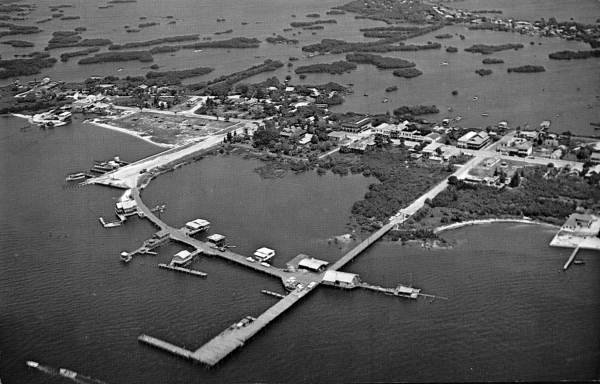
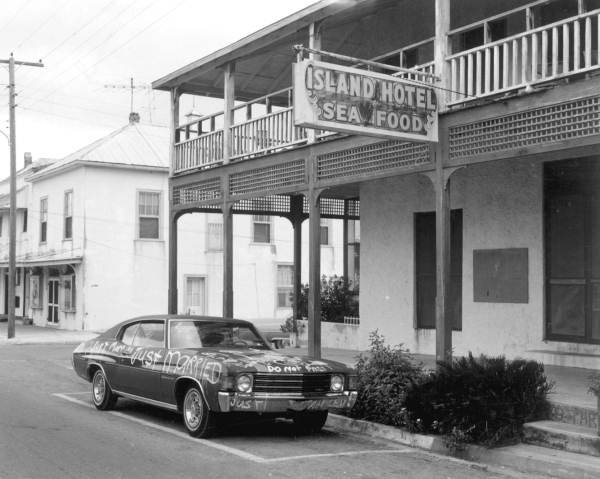
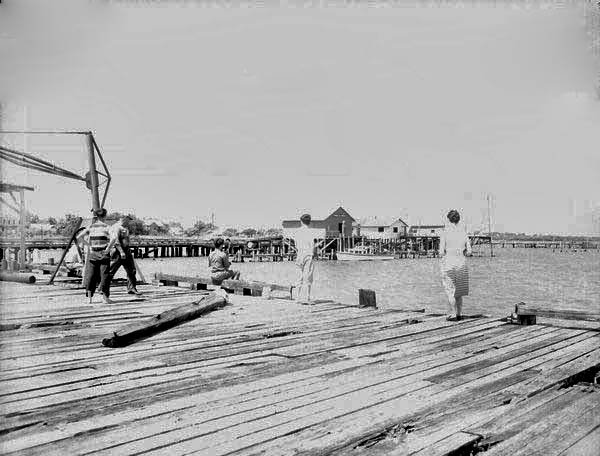
    (CEDAR KEY, FL) Just west of Gainesville and north of Tampa on Florida’s West Coast is a sleepy fishing village jutting into the fertile salt marches, breeding grounds for the rich supply of shellfish, mainly oysters and clams.  A bowl of homemade chowder is practically part of the daily diet here. Wander down Cedar Key’s 2nd Street and witness a living history lesson. Little has changed, or so it seems, from the days of early settlers. From City Hall and the public library to the Island Hotel and the public beachfront park, practically everything has historic value or is registered as a historic landmark. Life passes quietly here from one generation to the next. Locals brag you can walk the town in little more than an hour, even less in a golf cart; There are more of those than cars, trucks, and mini-vans. You won’t find swanky condos or waterfront McMansions here. Tourists prefer the rustic feel of the place. They’re more likely to get a fresher catch by dropping a line from the fishing pier than wait in line at a local eatery. A sliver of beach is all you’ll get in Cedar Key and it borders a public park, where there is a playground and basketball court. Hardly secluded or quiet. It has a town square feel, probably much the same as the early 1800’s. Walk along the waterfront and you’ll find boat captains offering fishing excursions, sightseeing tours, sunset sailing and kayaking. Dock Street is a small tourist strip of waterfront bars, restaurants and kitschy souvenir shops. The Dock Street Fishing Pier is one of the largest in Florida and has public restrooms.

    Press Play To View A Tour of Cedar Ker

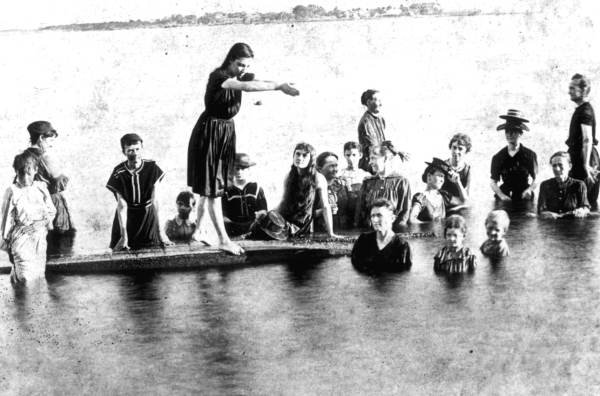
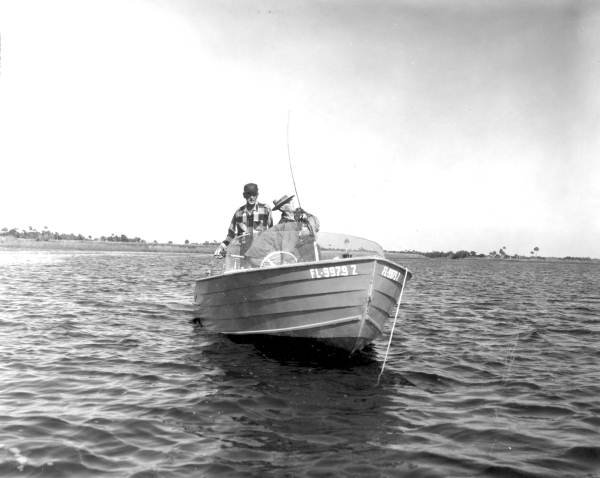
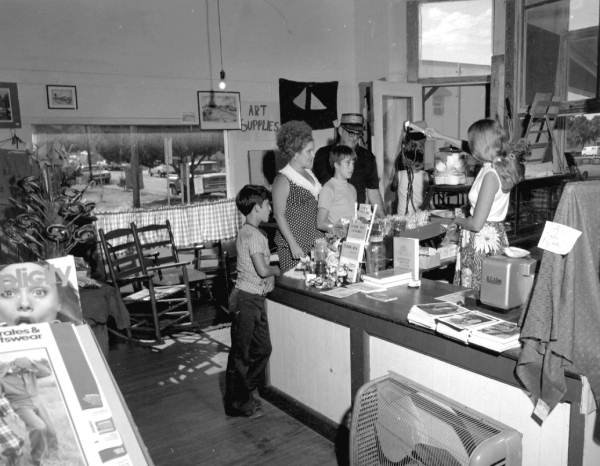
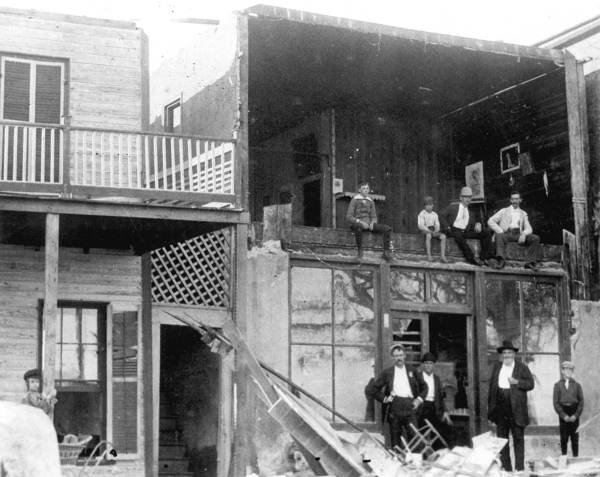
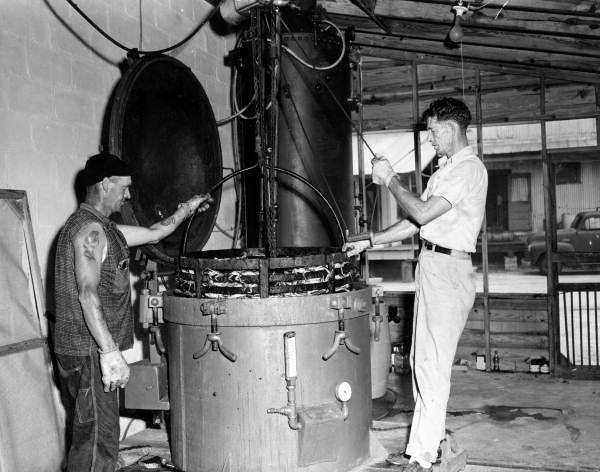
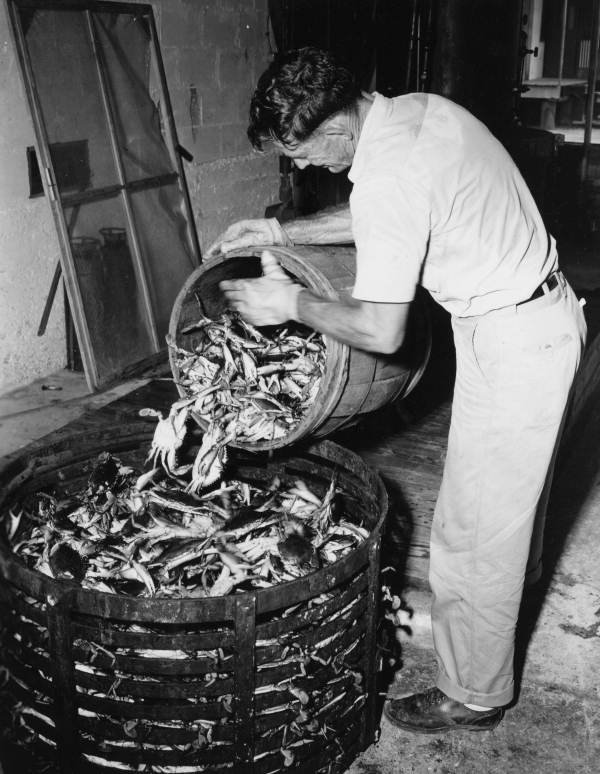
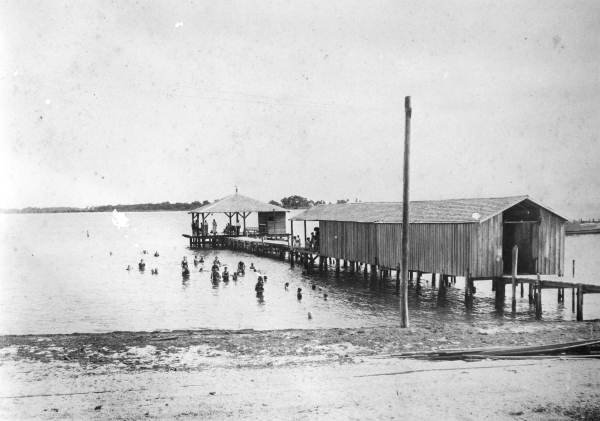
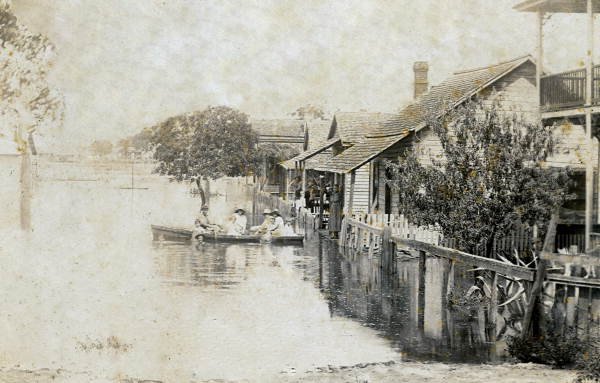
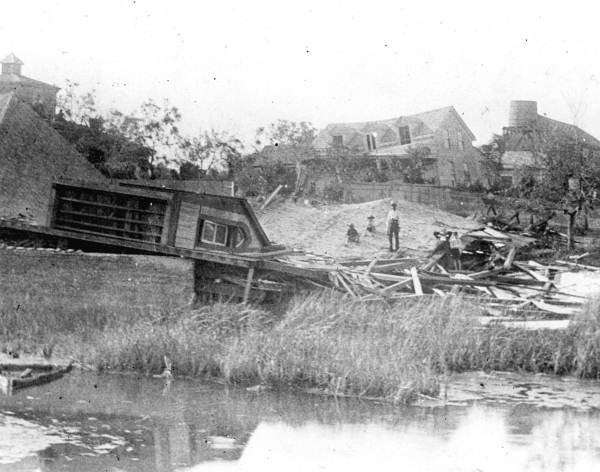
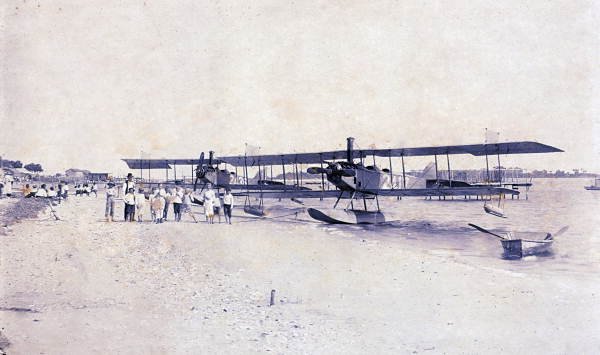
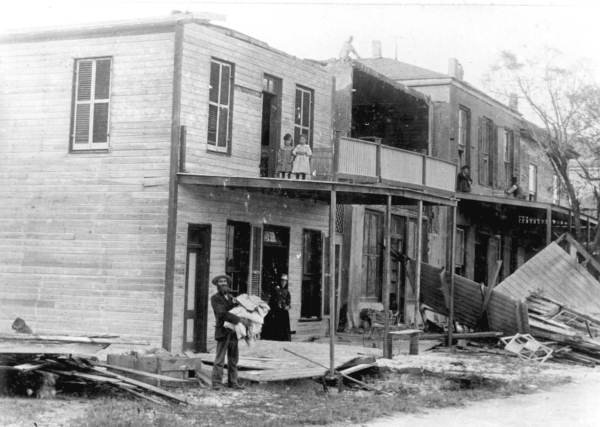
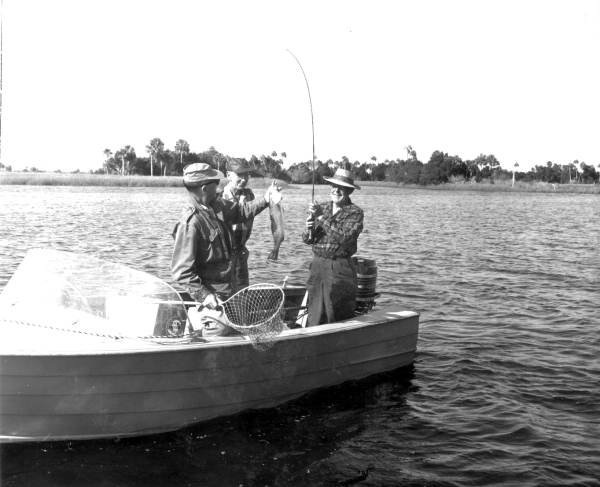
    Cedar Key has fewer than a thousand year round residents. Historians estimate the first human inhabitants date back to 500 BC in an area known as Shell Mound. Cedar Key is also vulnerable to tropical storms and hurricanes, and has experienced significant damage in its long history. The Florida State Archives has a large collection of historic photos.

    Slideshow Of Historic Cedar Key

    (Photos From The Florida State Archive)

  • Europe: A Day Flirting With Budapest
    Europe: A Day Flirting With Budapest

    DSCN0814

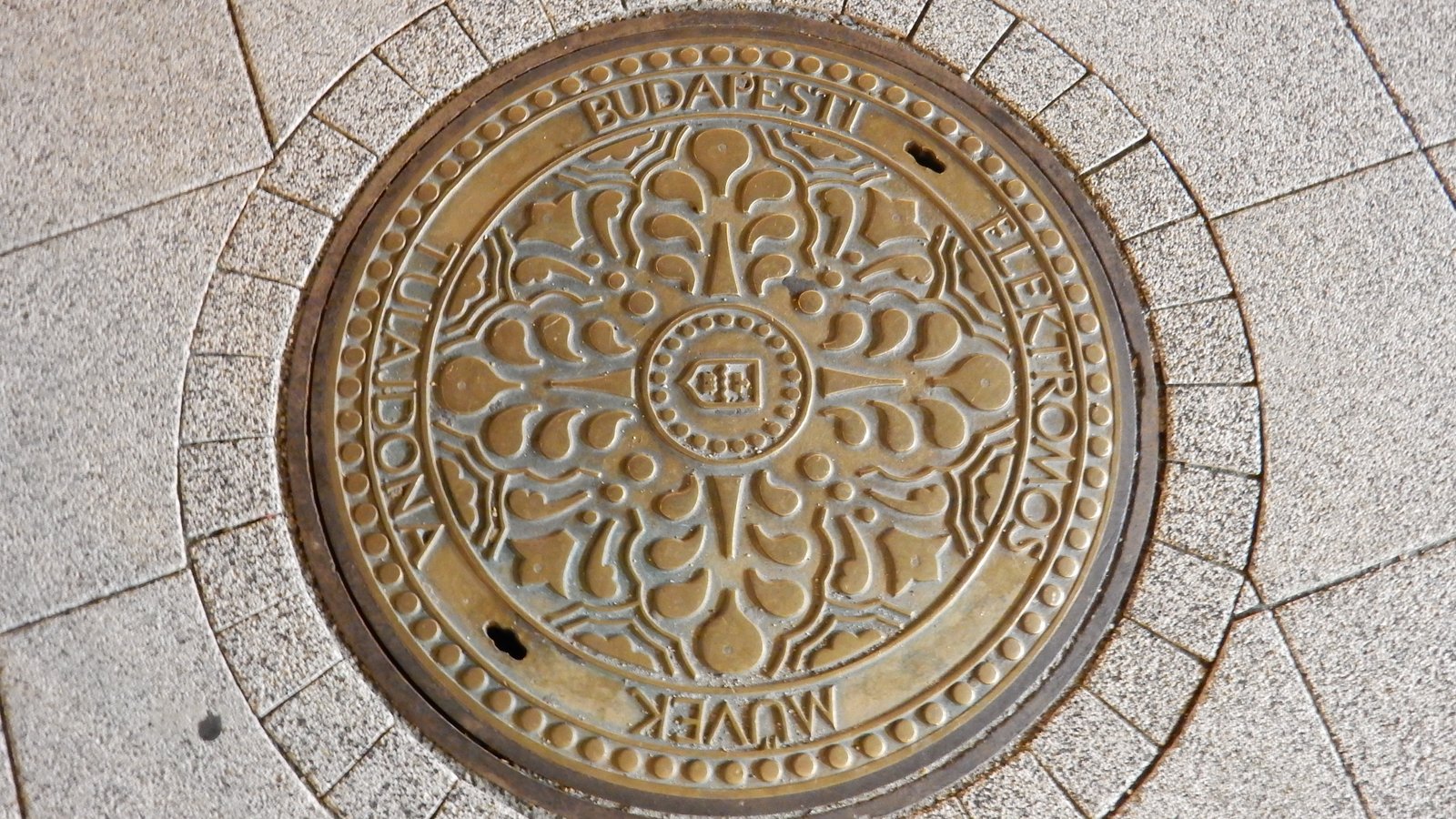
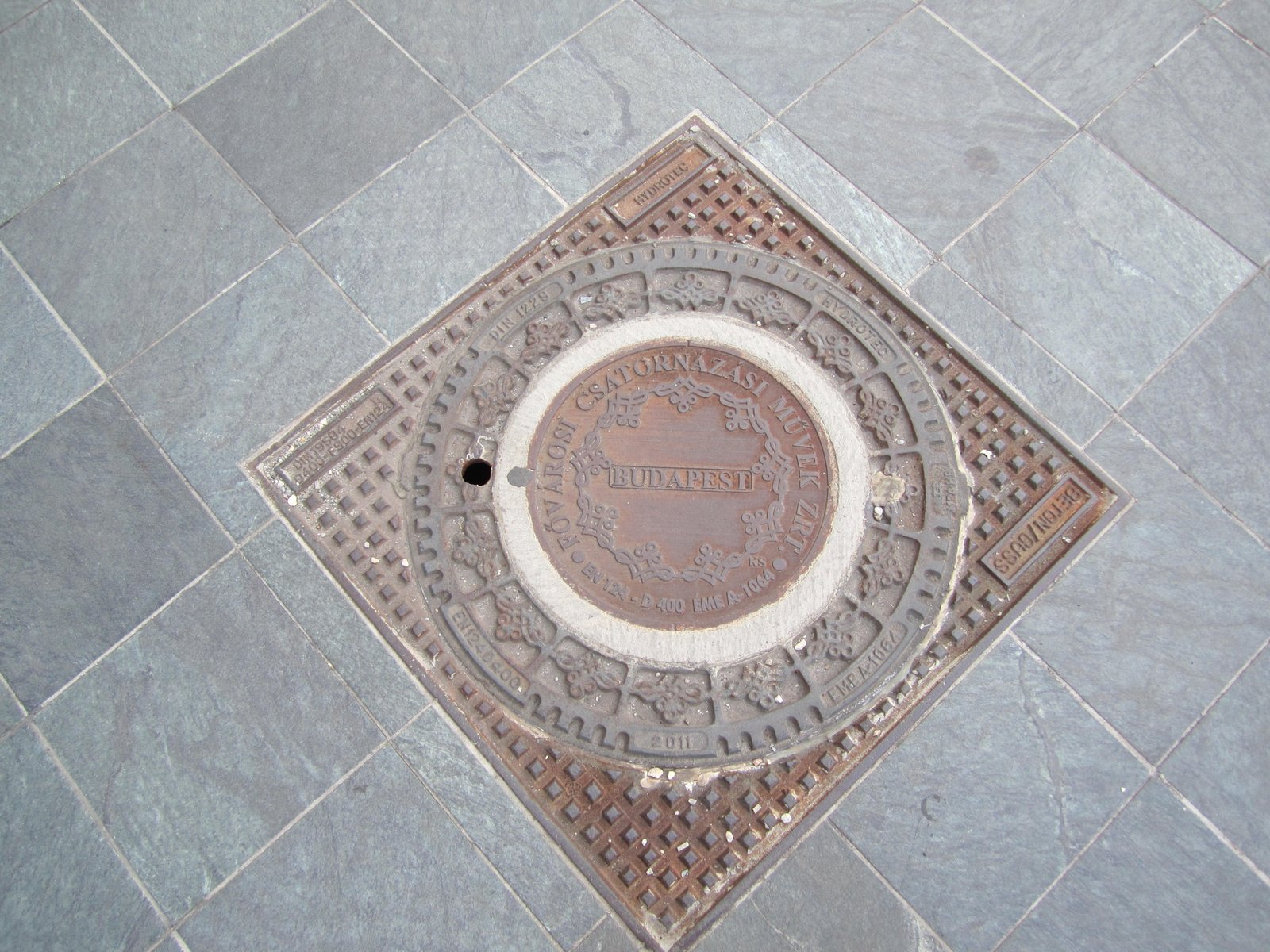
    (Budapest-Mellow Wanderer) Call this a traveler’s version of speed dating, and Budapest is this alluring, sultry, utterly gorgeous thing sitting across the table and you don’t want to hear “time’s up.” Budapest has substance, sophistication, and style right down to the manhole covers people walk over.

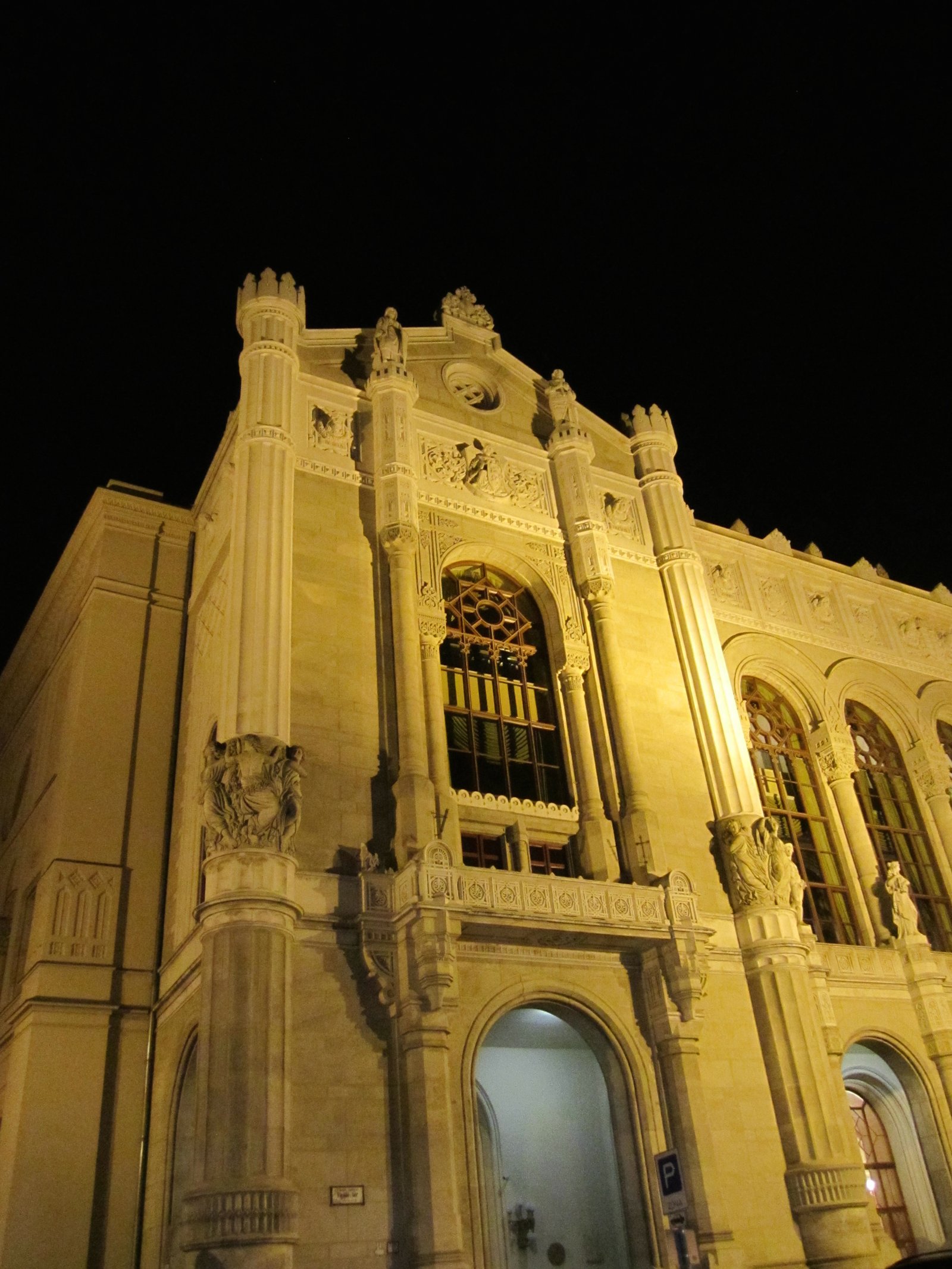
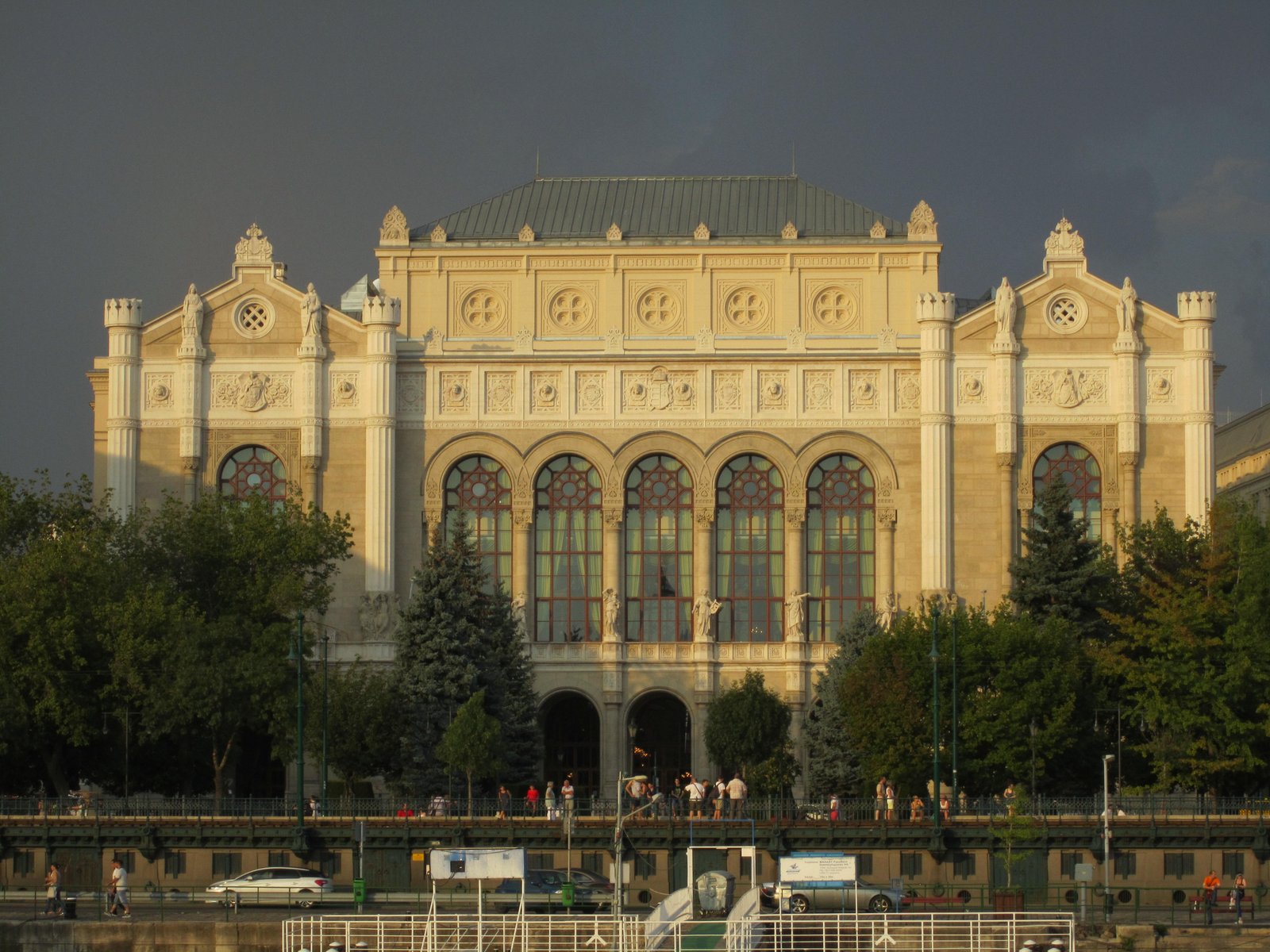
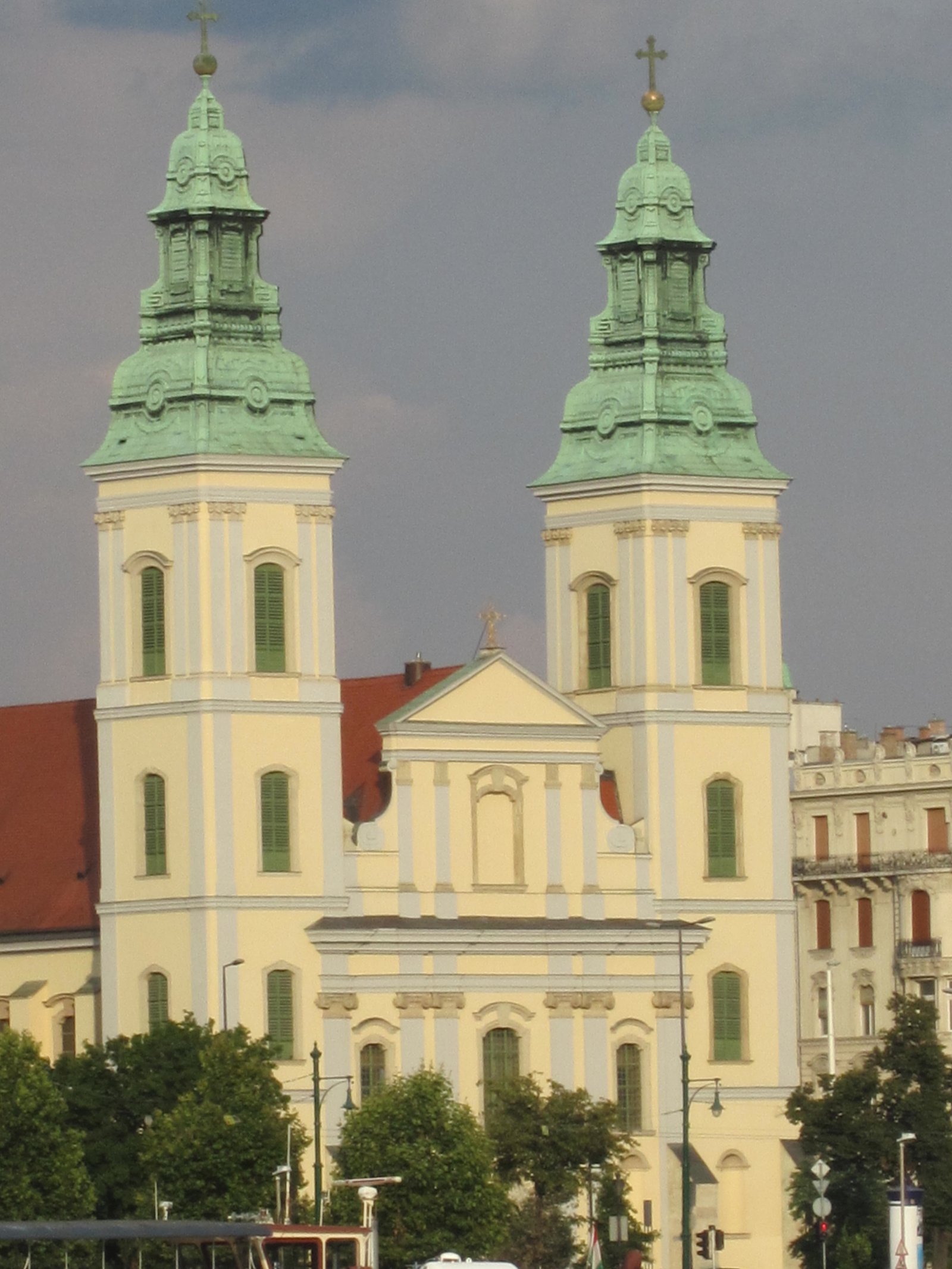
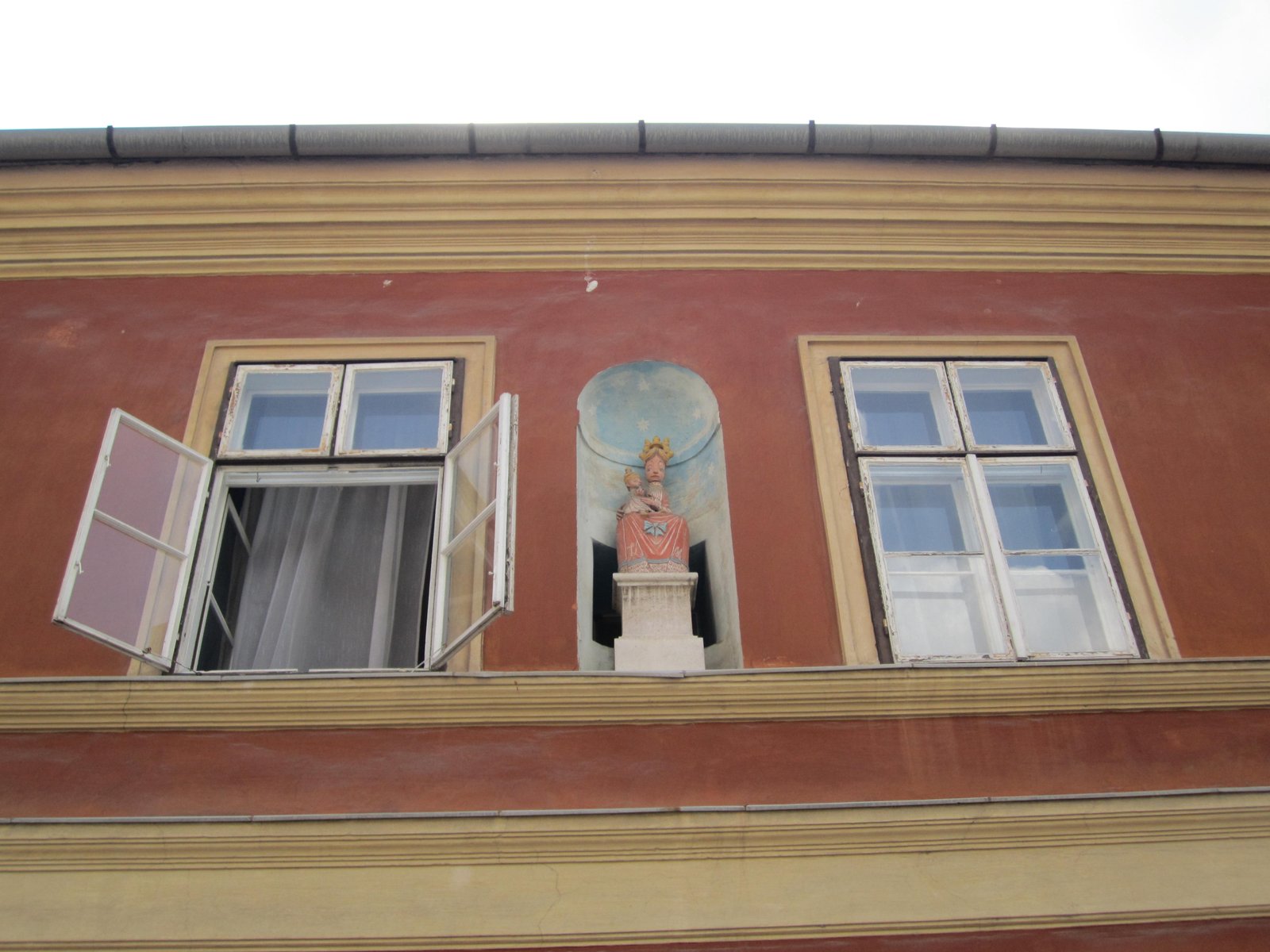
    DSCN0828IMG_2477A collage of architectural styles from the beginning of civilization define the city: Roman, Gothic, Neo-Gothic, Renaissance, Neo-Renaissance, Baroque, and on, and on.

    IMG_2558IMG_2446IMG_2492

    IMG_2461IMG_2441IMG_2439

    Beyond history, there’s a hip, vibrant buzz to this city. MW’s mission is how much can I see in my 24 hour last tour stop on an eight day Danube River cruise? Answer: Not enough!

    IMG_2540

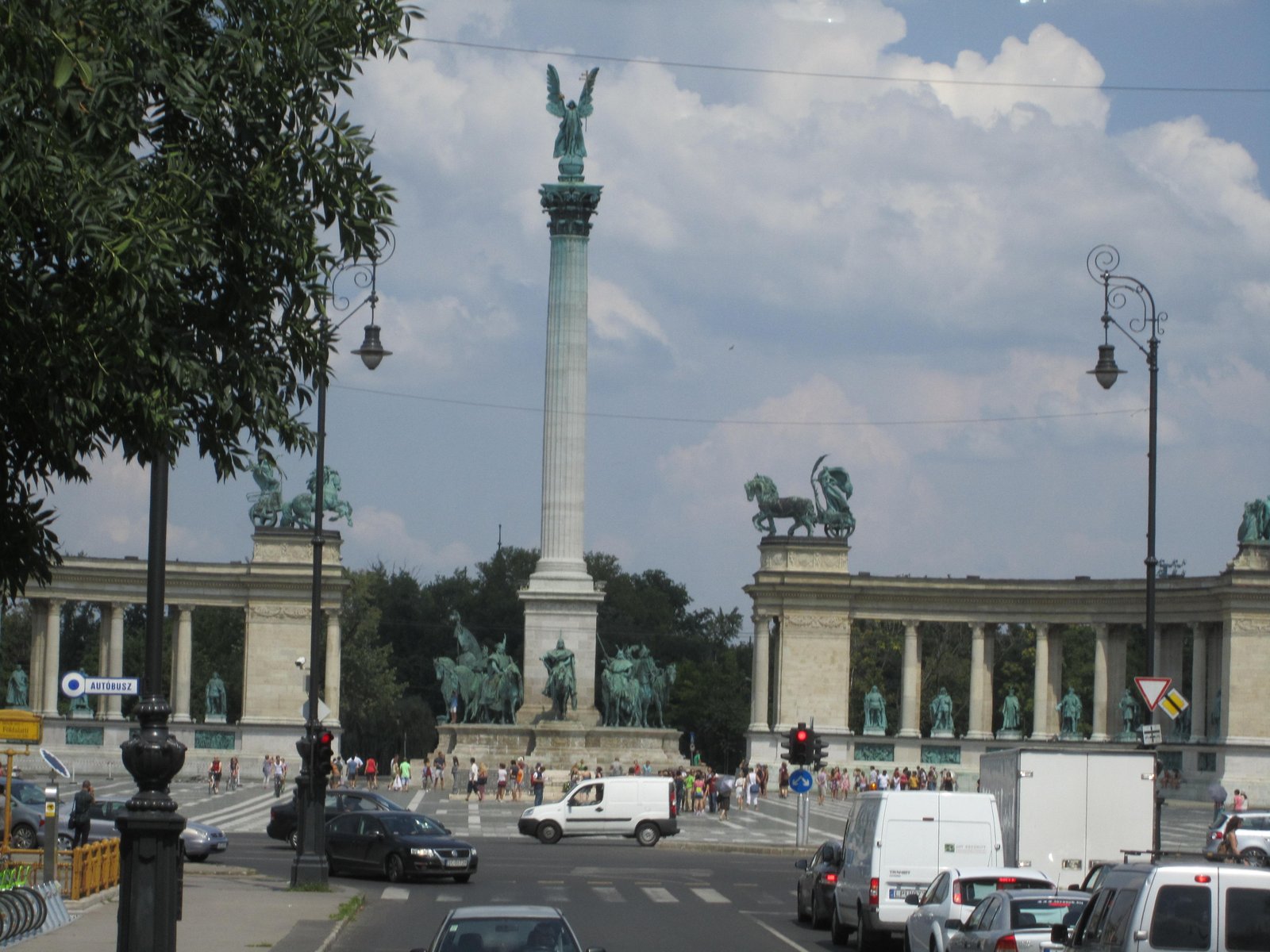
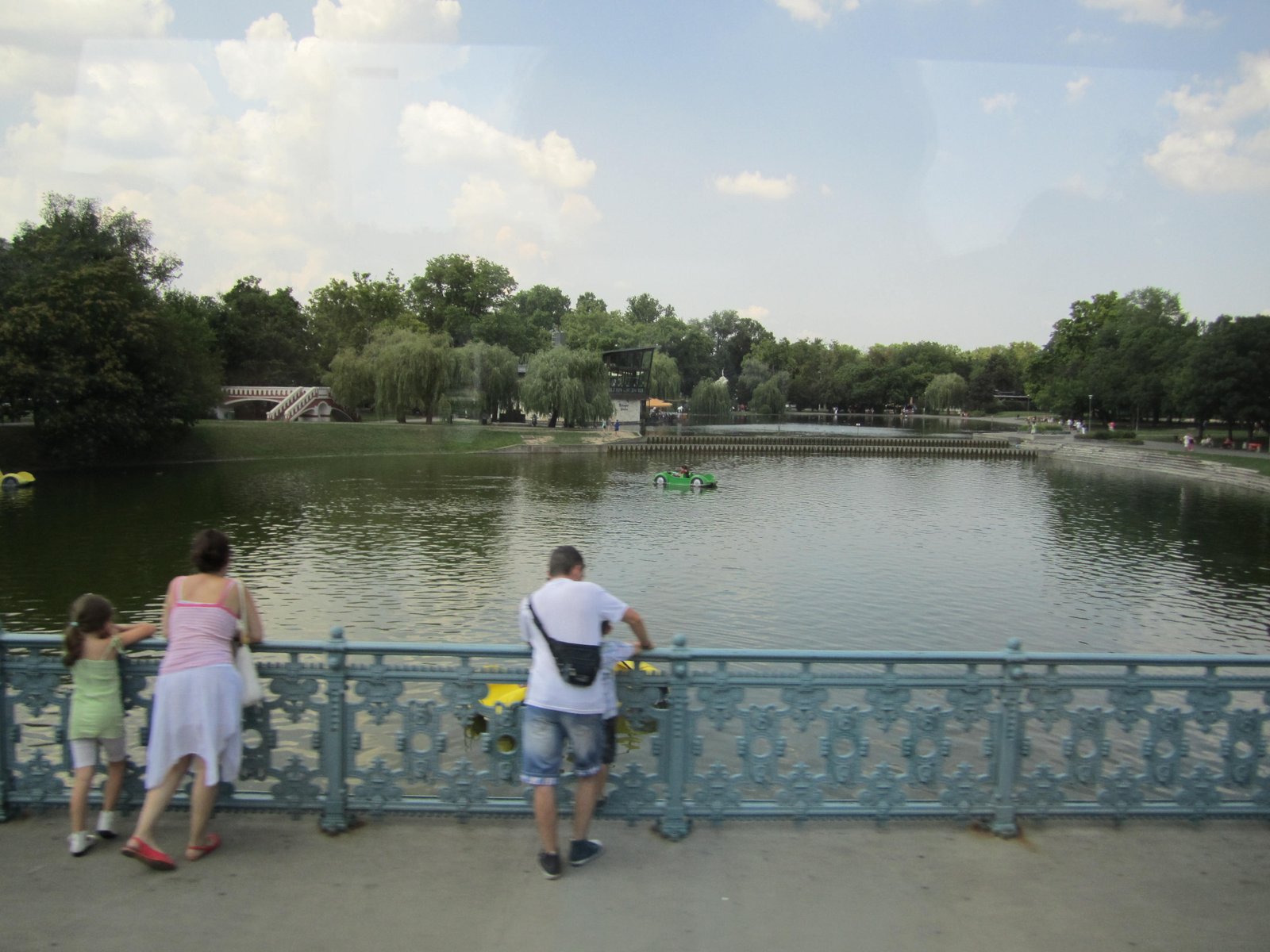
    In 85 degree heat under a brilliant summer sun, a guided tour via an air conditioned bus motored through sprawling Budapest. First, a taste of the Pest side. IMG_2445We circled Hero’s Square, Budapest’s largest, and viewed the statues honoring Hungary’s revered historical figures, then zipped through the museum district, the city park with its Transylvania inspired Vajdahunyad Castle, the public thermal pools, and the Budapest Zoo and Botanical Gardens.

    IMG_2442

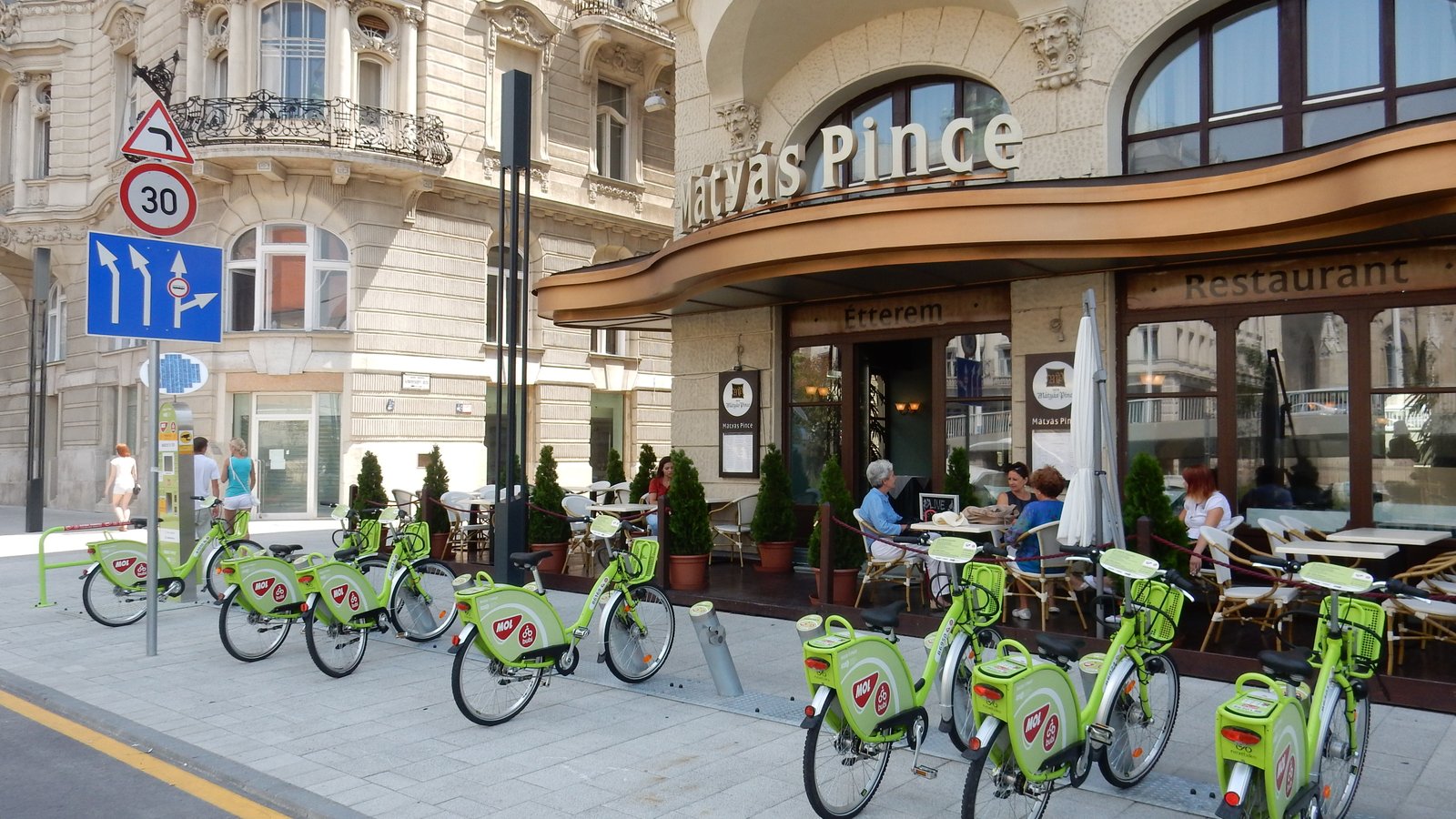
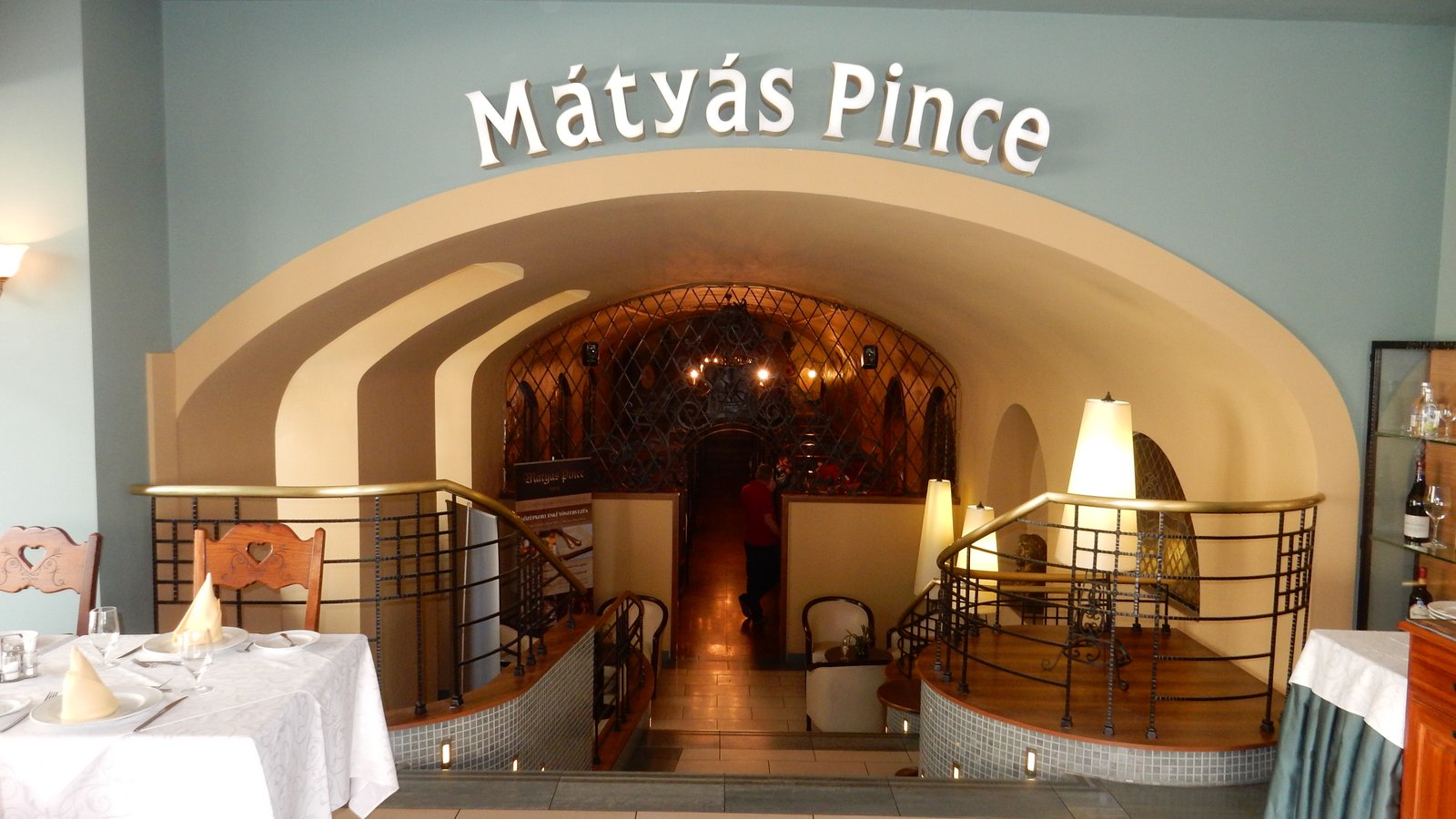
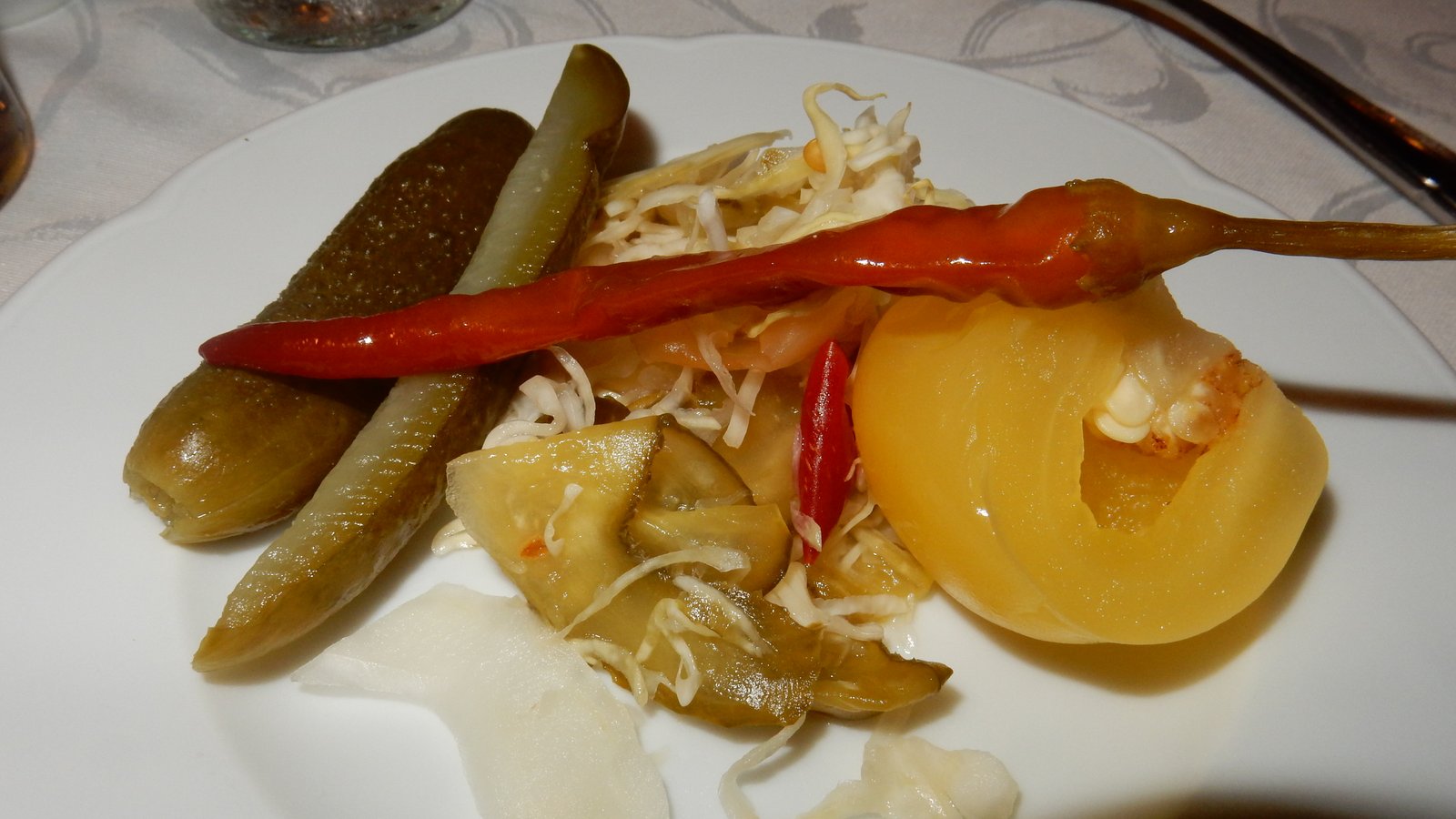
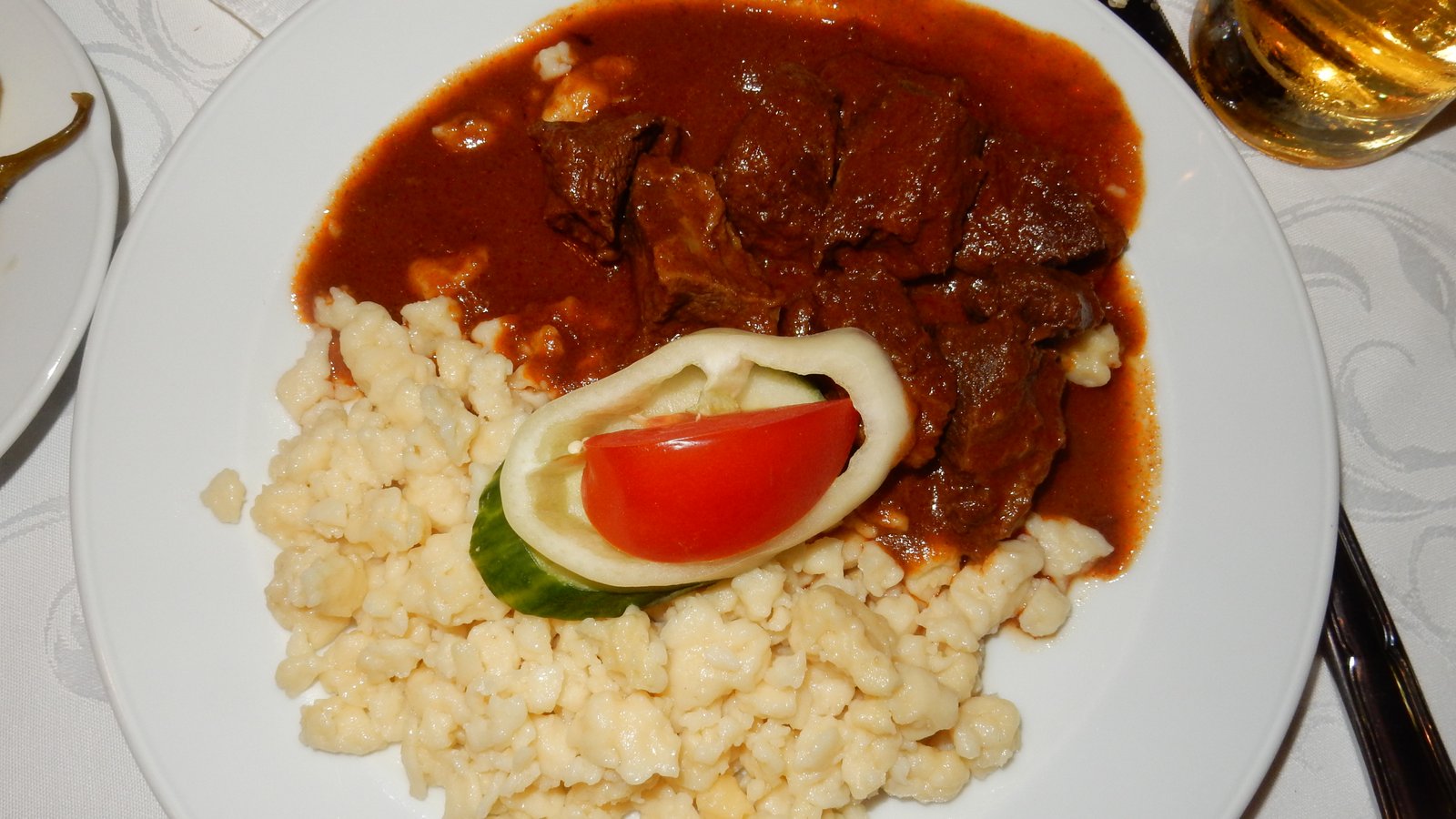
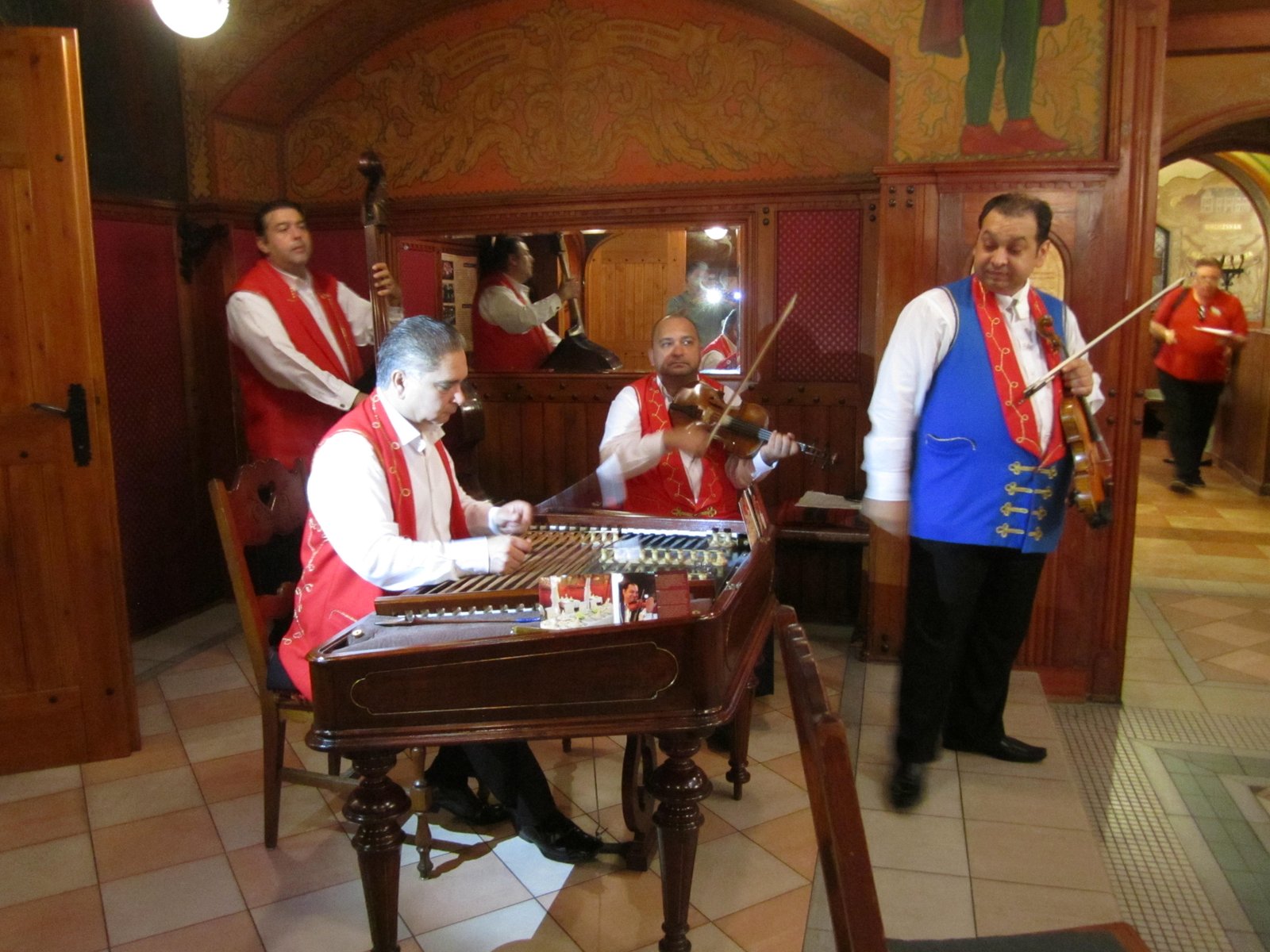
    A stopover at the Millenium Underground and Railway Museum was on MW’s hit list, but when you’re speed dating, sometimes there’s no time to get off the bus, except for lunch, which means traditional Hungarian cuisine at Mátyás Pince Restaurant. Established in 1904 by Mátyás Borostyánkői (Baldauf), who opened Budapest’s renowned beer house, Mátyás Pince is a feast for all senses: Sight (walls splashed with Hungarian art), taste (pepper and pickle salad, classic Hungarian beef goulash, rum-flavored trifle with walnuts drizzled with chocolate sauce), and sound (traditional music performed by Lakatos Vilmos and his gypsy band).

    DSCN0771

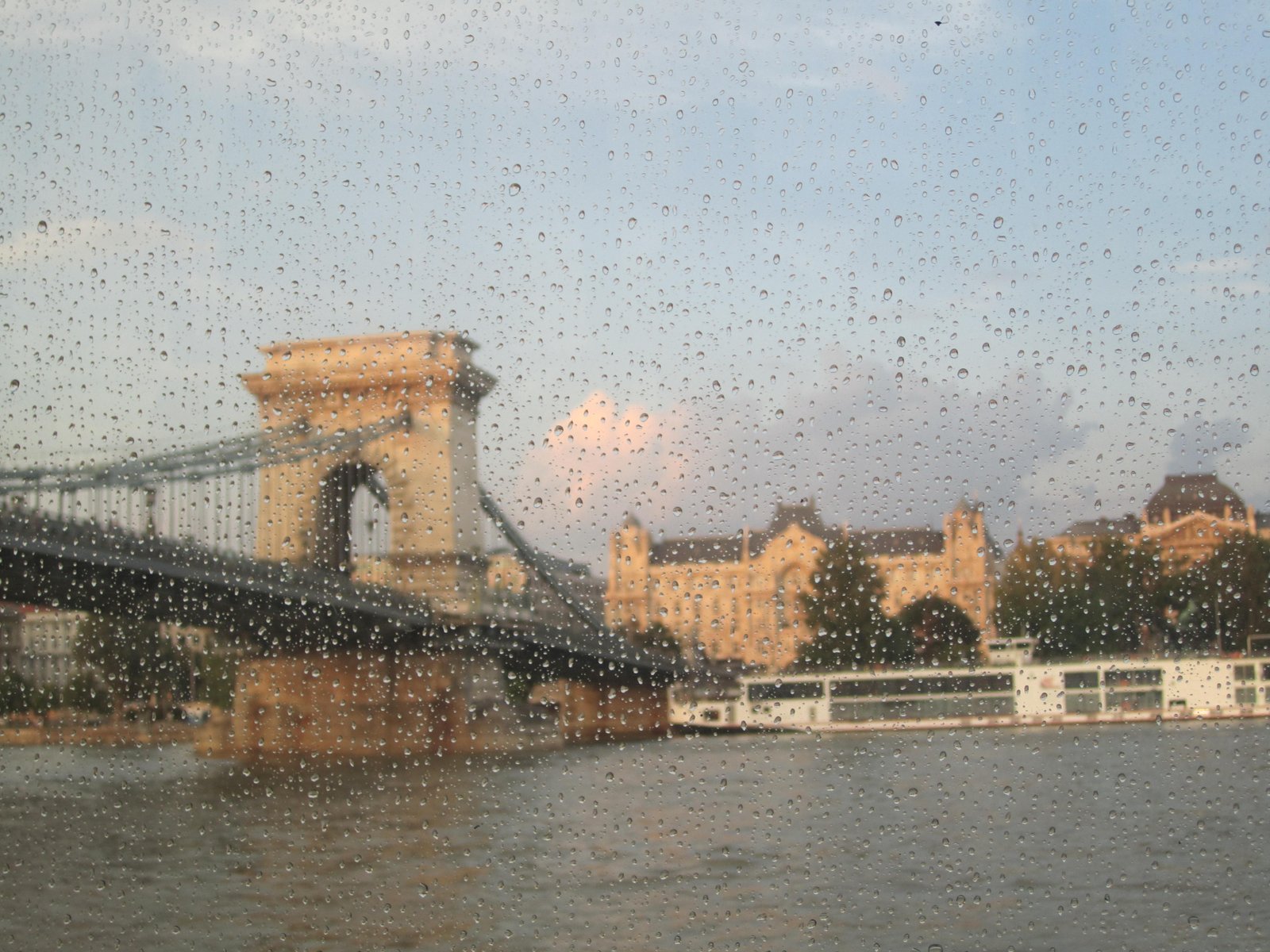
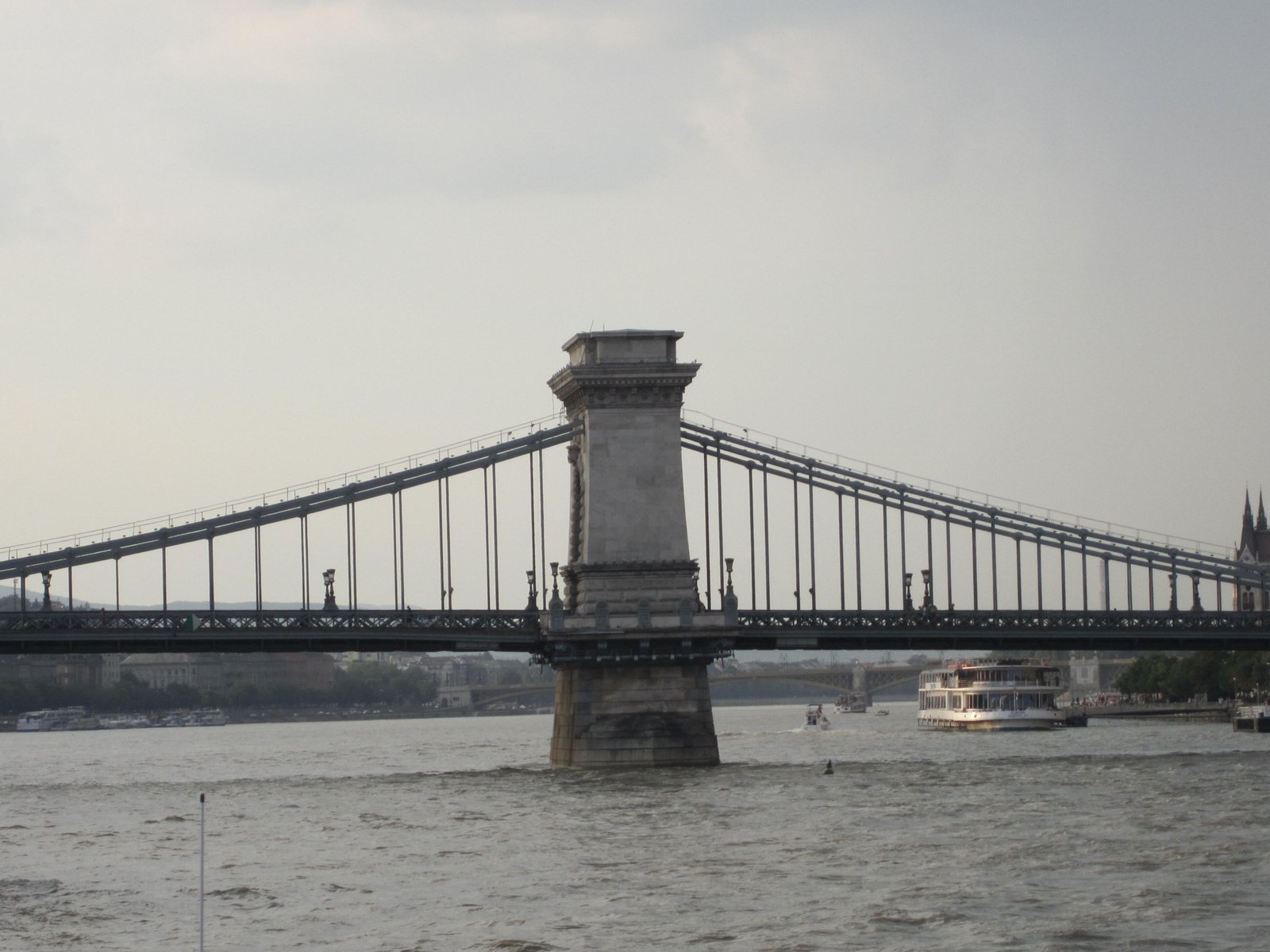
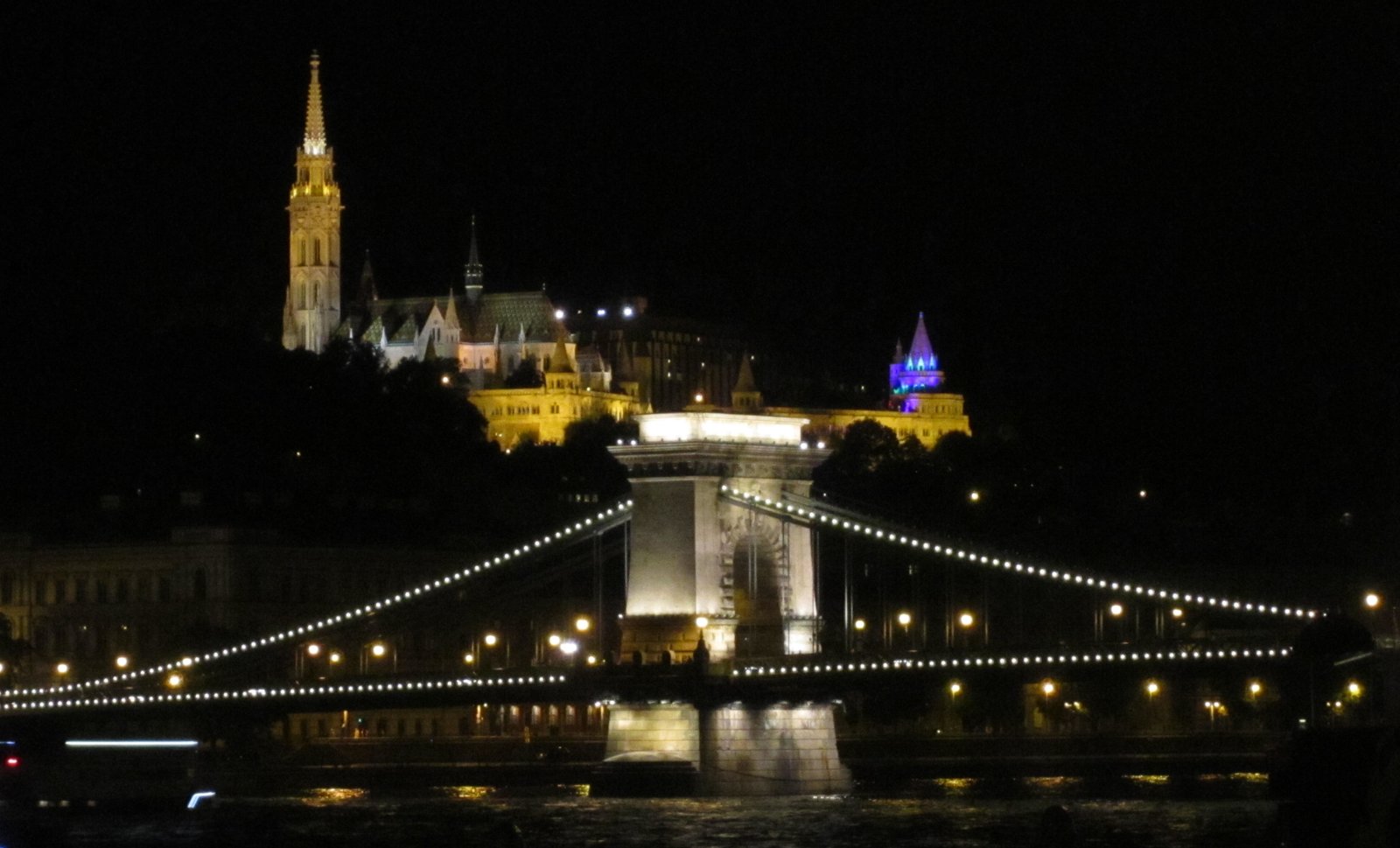
    DSCN0773DSCN0765DSCN0767DSCN0768IMG_2429MW bounded off to the Buda side after lunch, crossing the Danube over historic Chain Bridge dating back to 1849.

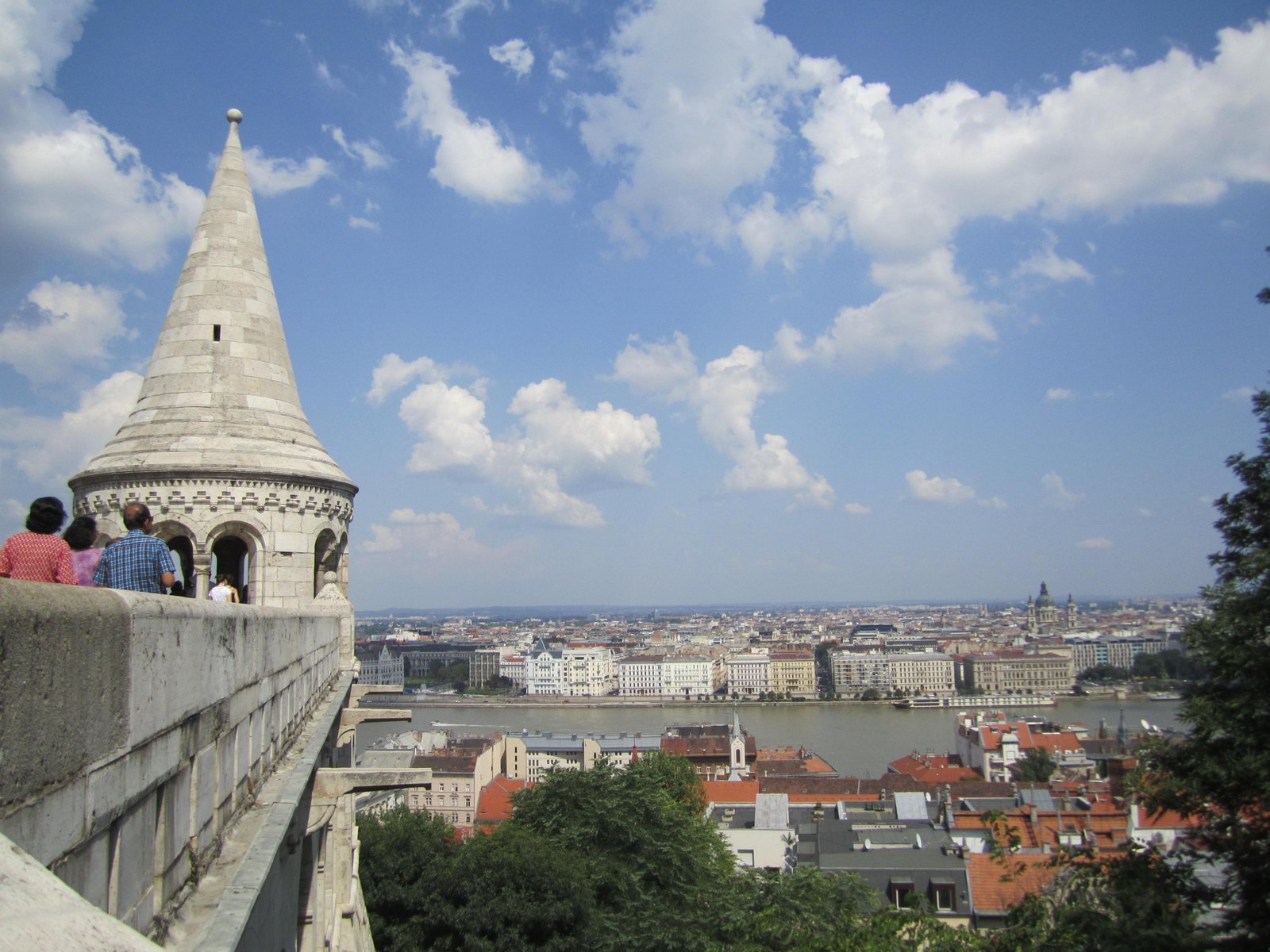
    IMG_2519We disembarked at a higher elevation to visit Fisherman’s Bastion overlooking the entire city with the most amazing scenic views.

    DSCN0787

    IMG_2472

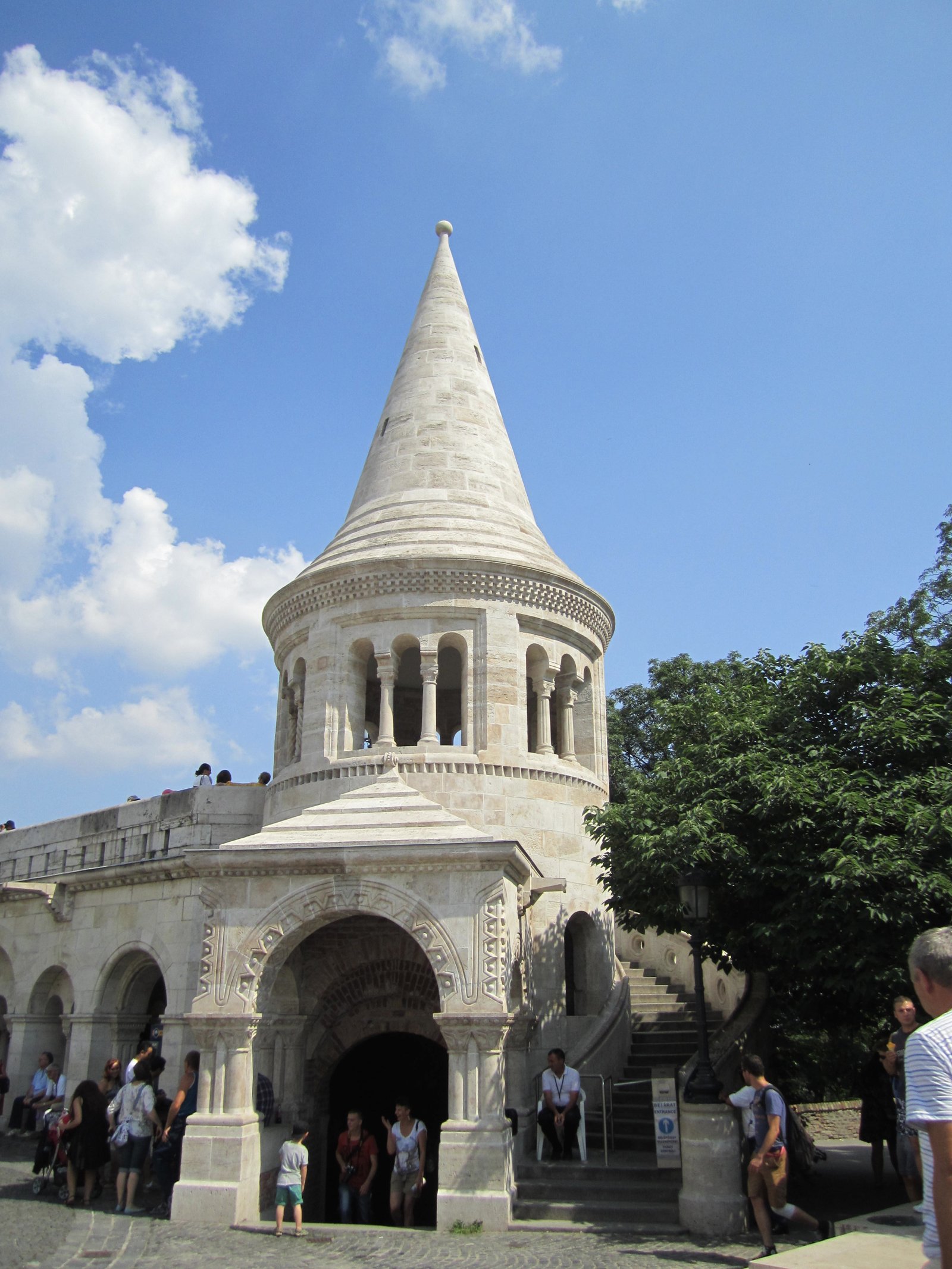
    The Bastion has seven stone towers to recognize the Hungarian tribal leaders who conquered the country in 896.

    IMG_2470

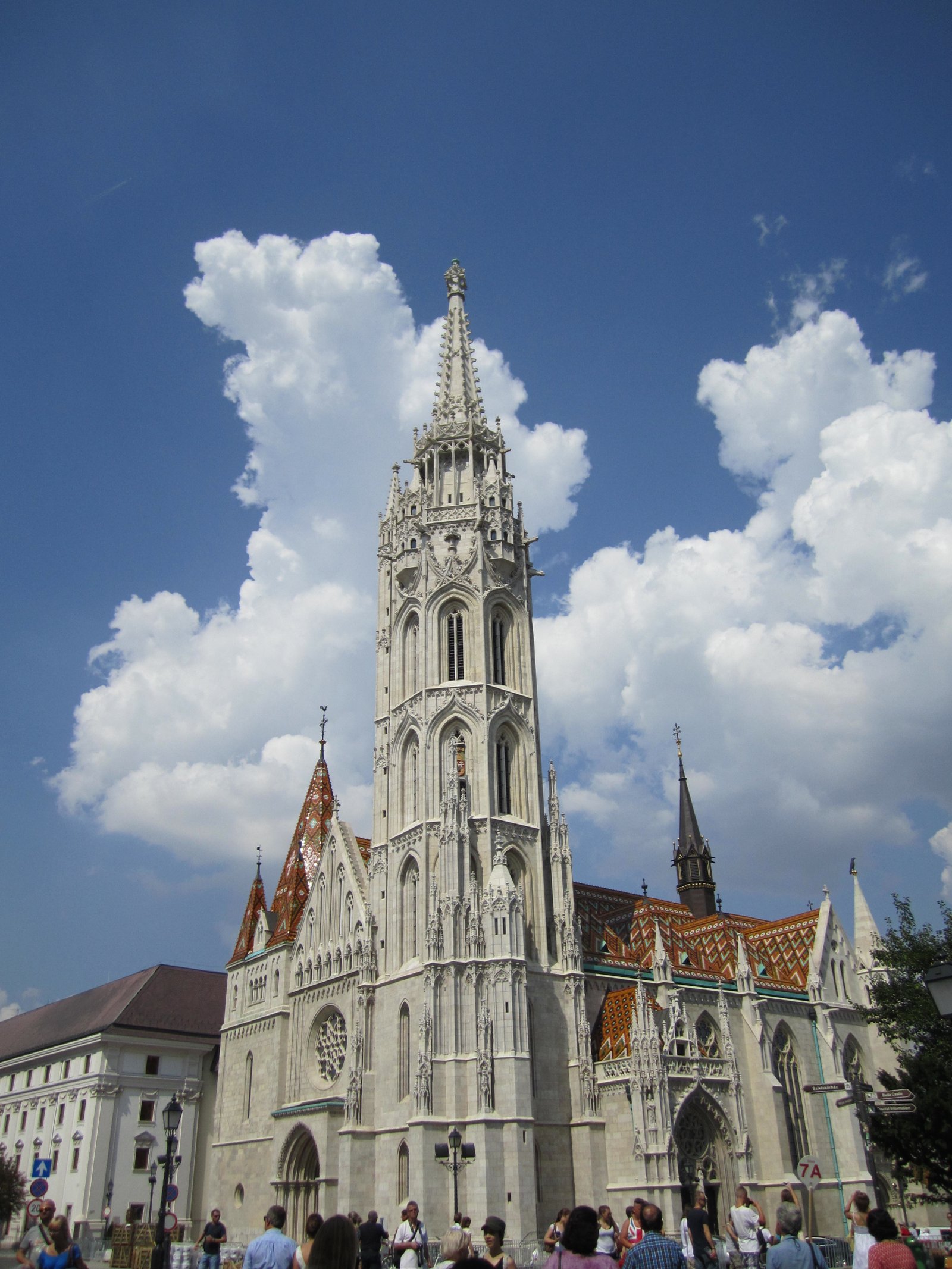
    Named after the guild of fishermen who defended the city walls in the Middle Ages, today Fisherman’s Bastion draws tourists and locals to Buda’s Castle District and Matthias Church, a 700 year old Roman Catholic church.

    IMG_2463Specialty shops selling Herend porcelain, sidewalk cafes, and strolling gypsy musicians make this area a sparkling gem. Saturdays bring a thriving wedding scene to Fisherman’s Bastion, including elaborate receptions, which can close portions that are popular with tourists.

    IMG_2457

    IMG_2456

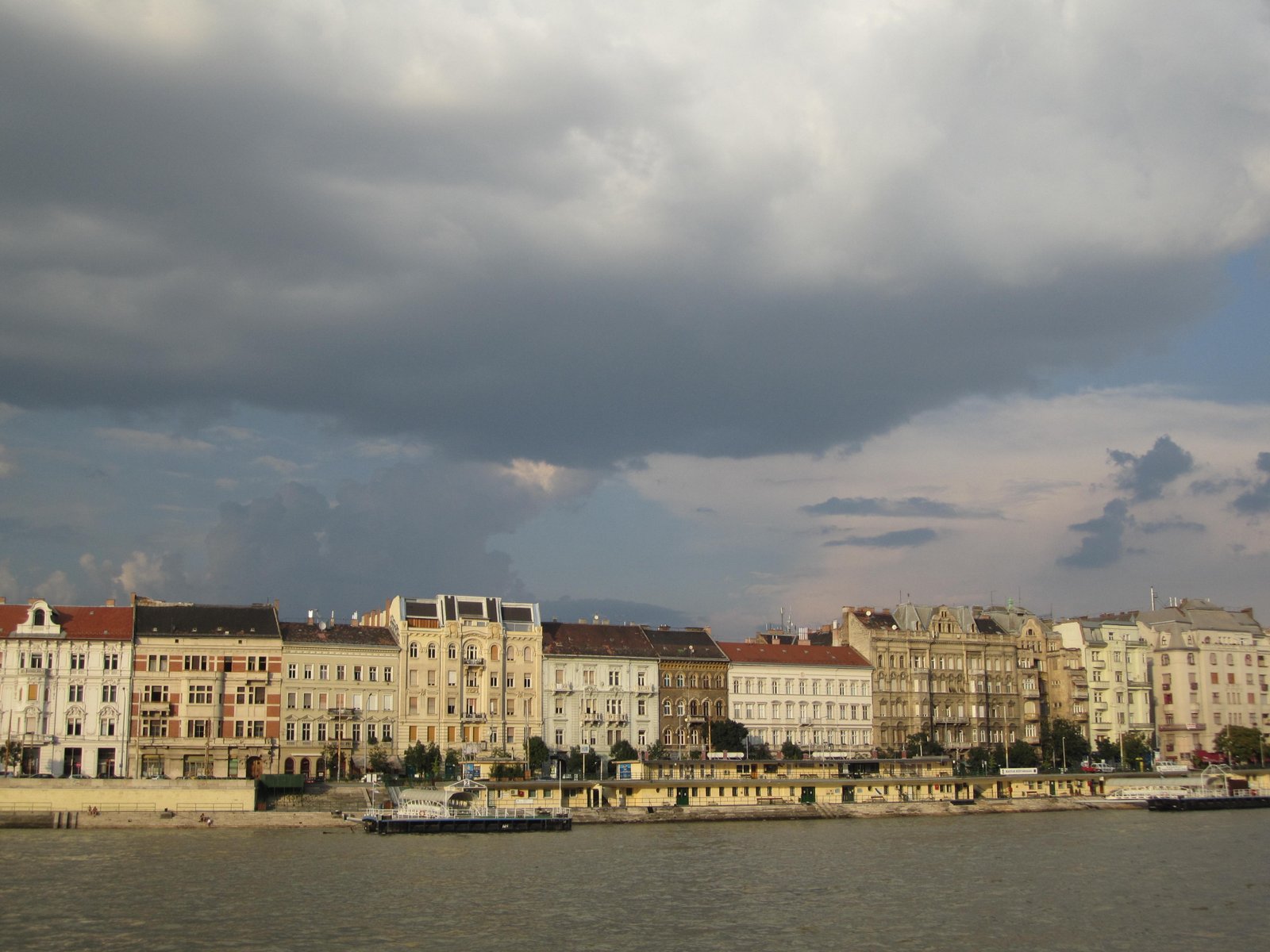
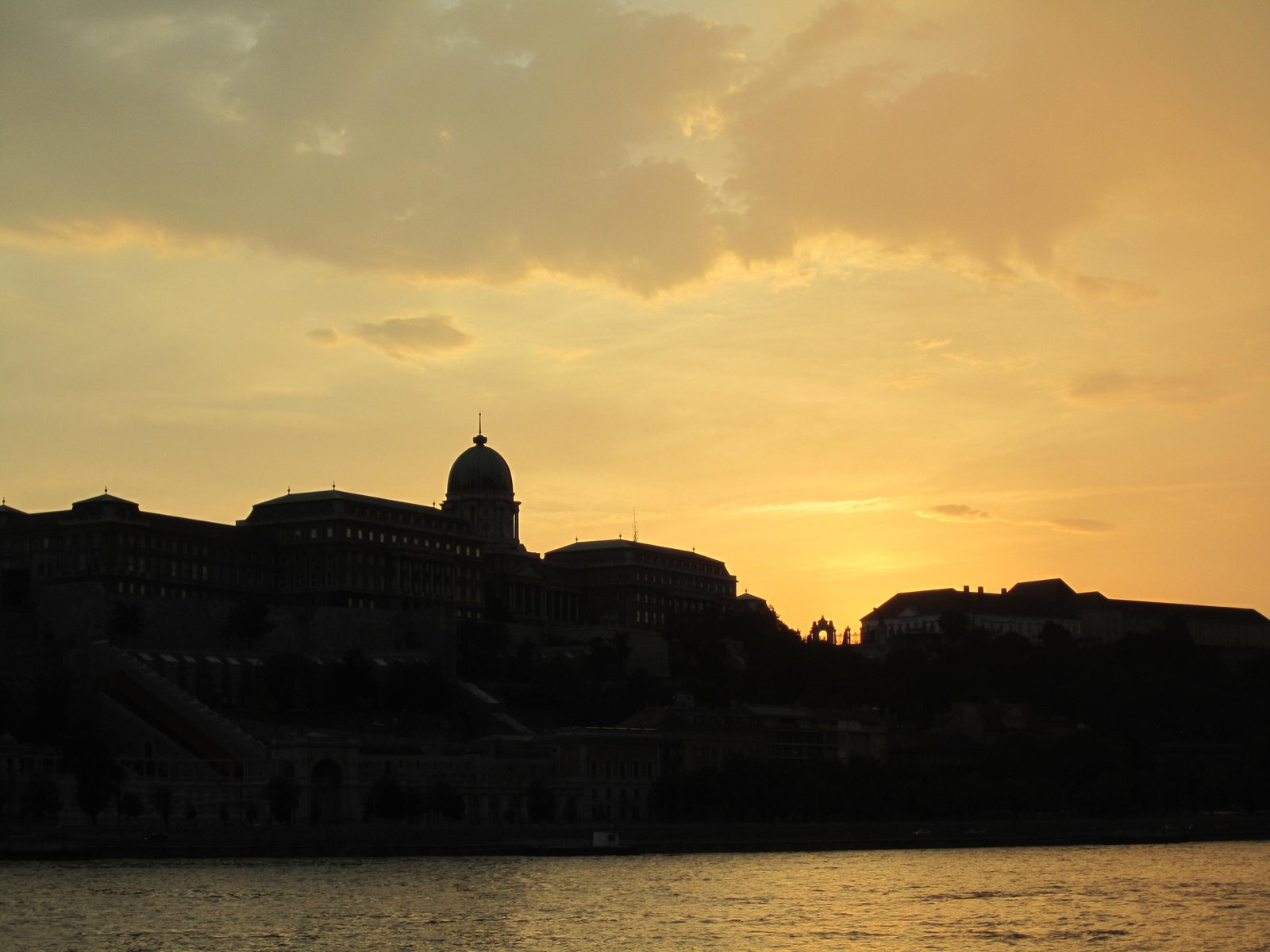
    While Fisherman’s Bastion provides a perch to peer down on Budapest, the Danube River is the real jewel of this town and where you want to be for a sunset cruise. MW boarded one of the many tour boats for an hour long ride up and down the Danube at dusk. It’s a good buy at sixty dollars for two and includes a glass of wine. An audio tour in thirty languages via headsets is a great way to see and learn about the historical sites along the riverbanks.

    IMG_2495

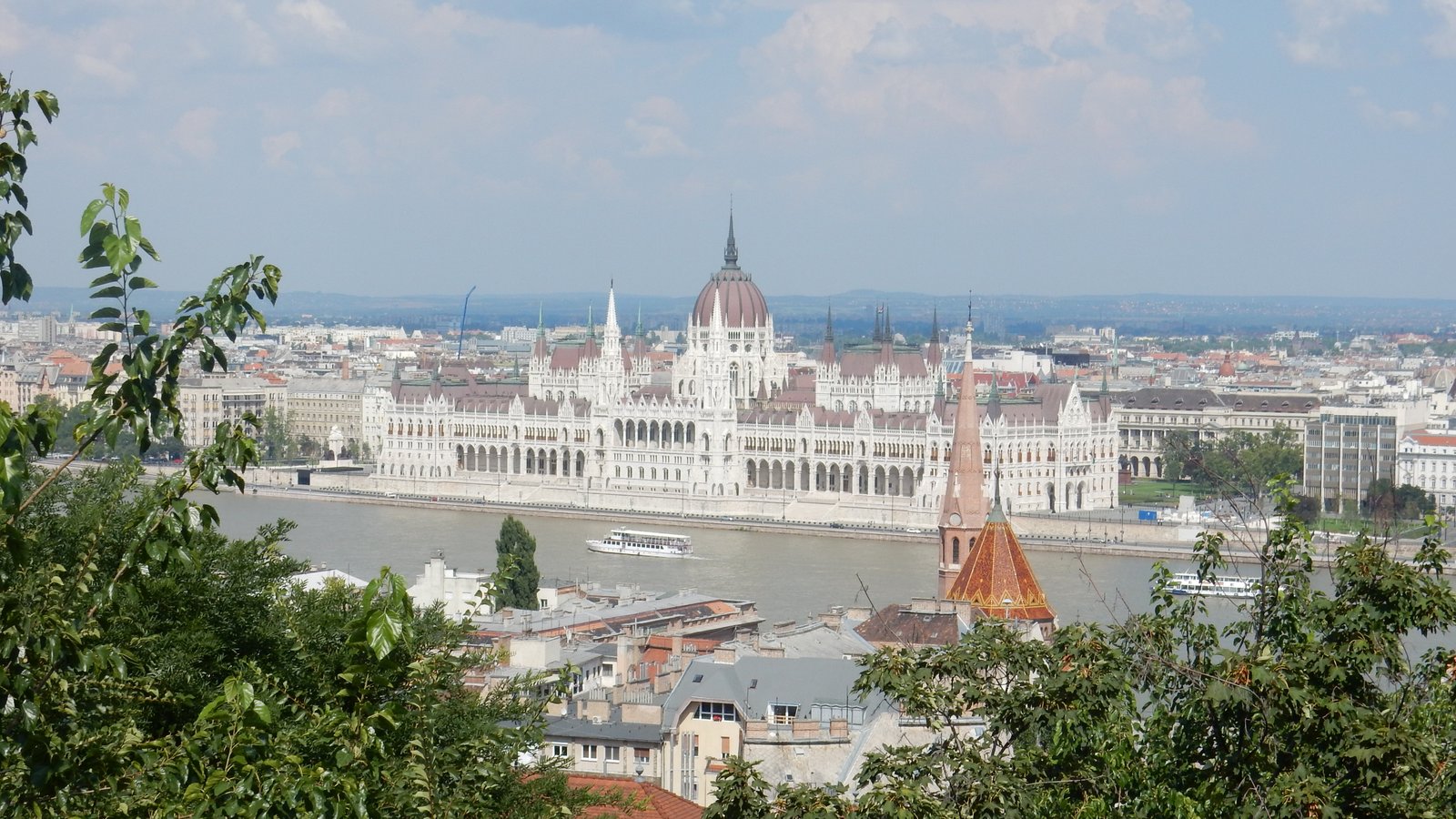
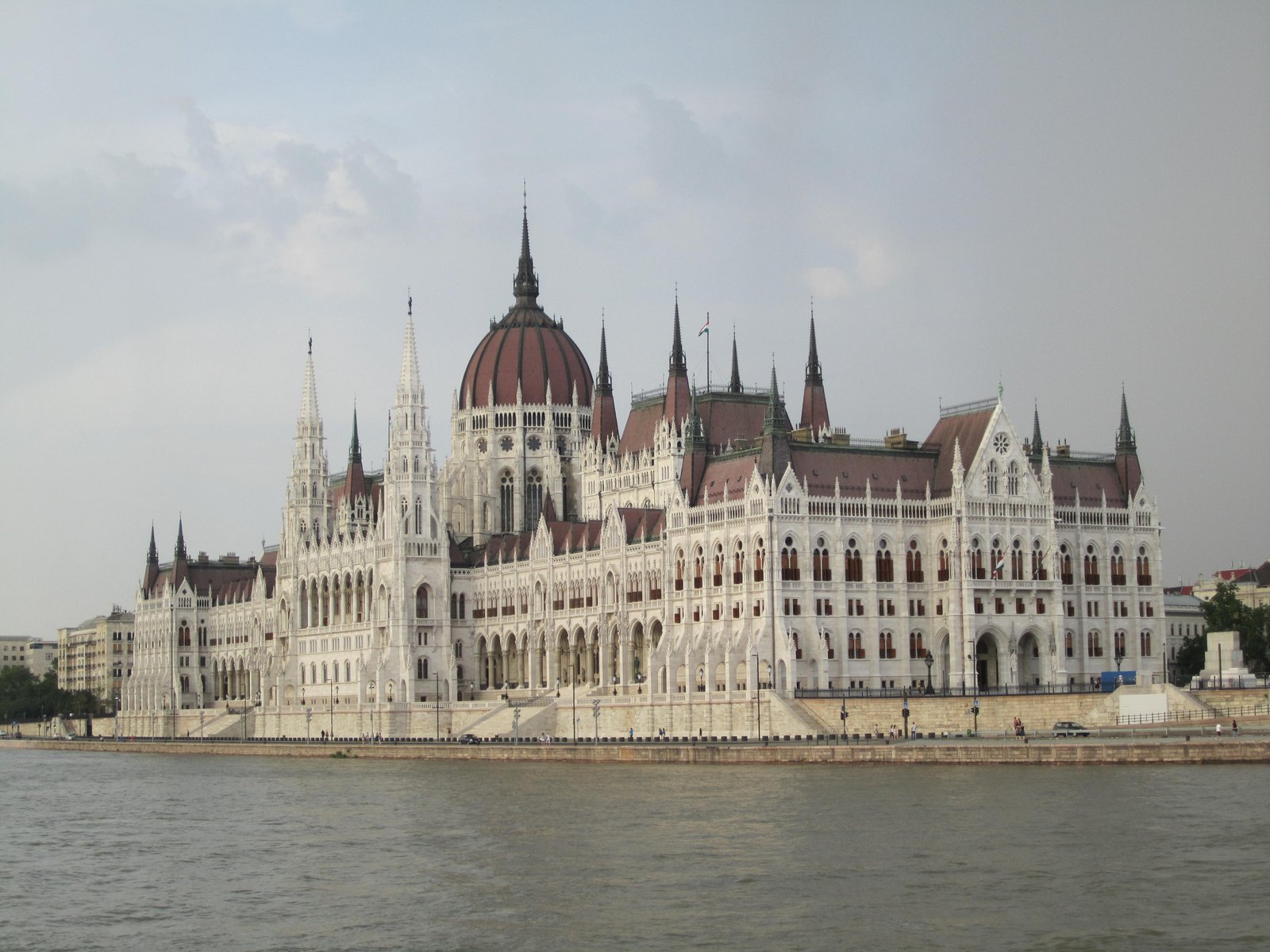
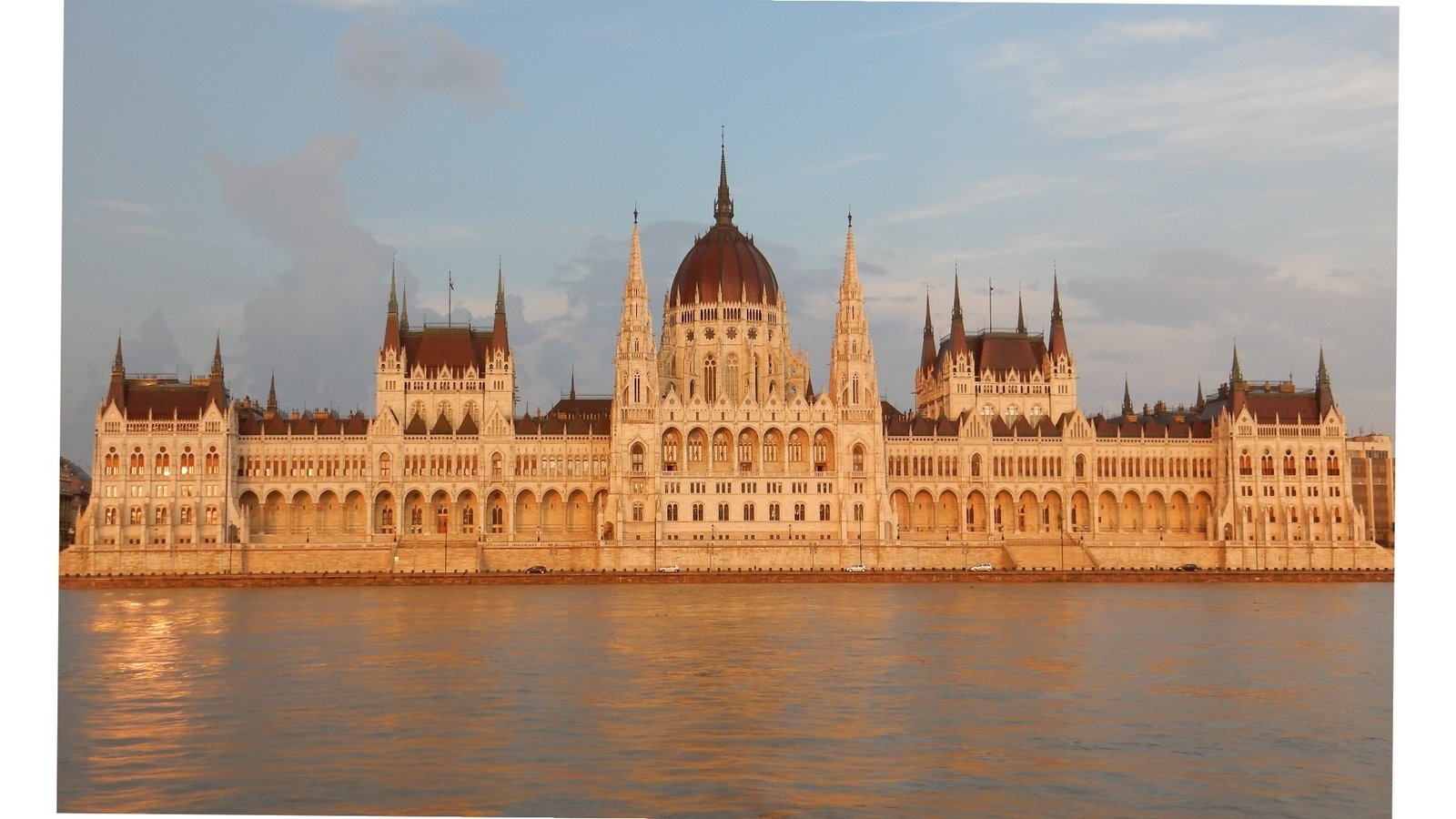
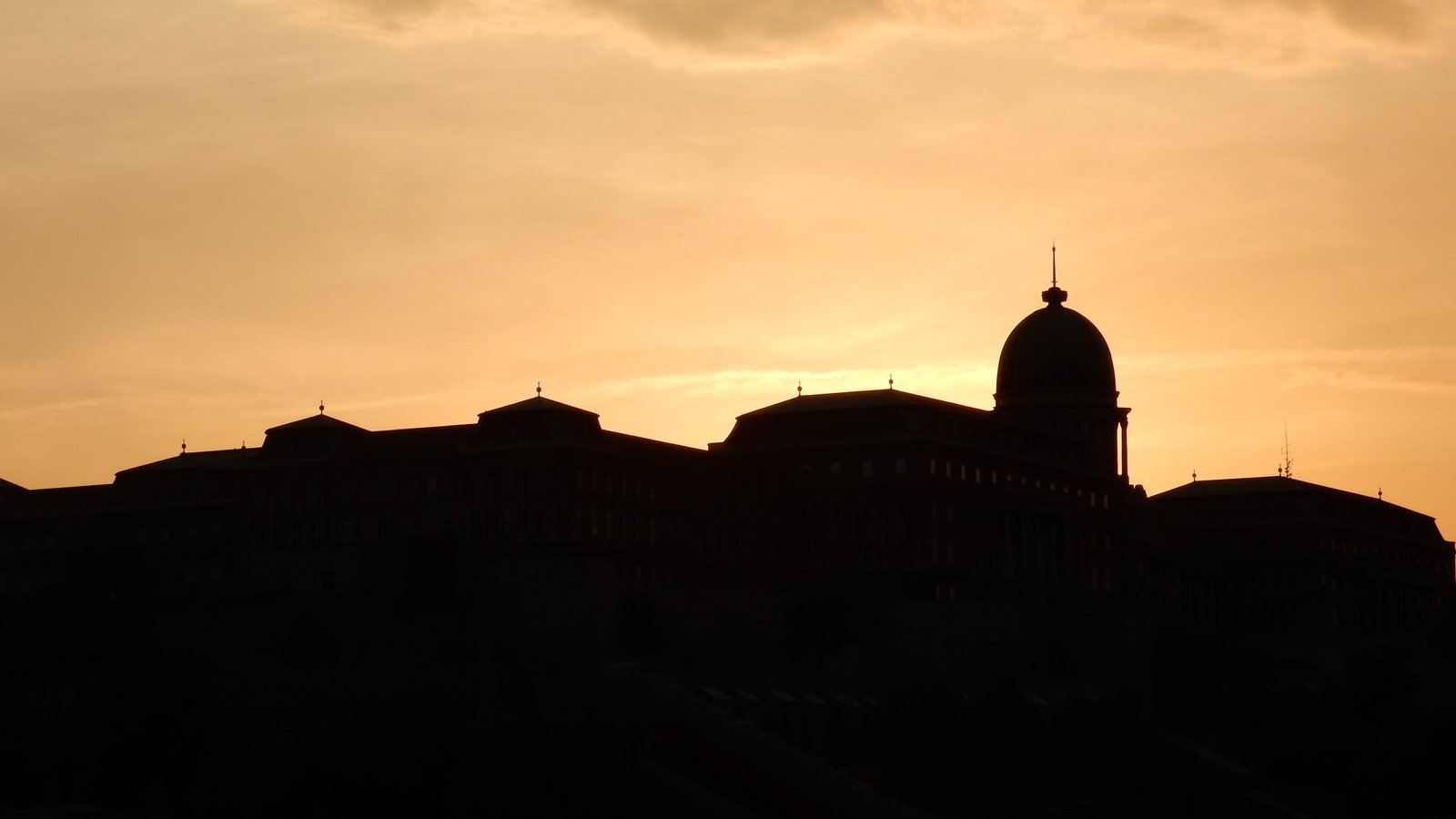
    Your journey begins with a cruise by the magnificent Hungarian Parliament Building and upon your return a setting sun paints the white exterior walls with shades of gold.

    IMG_2527


    budapest

    Evening brings a different side of Budapest. Call it nightseeing. The city lights up. Bridges, castles, monuments, and buildings glow through the night.

    IMG_2566

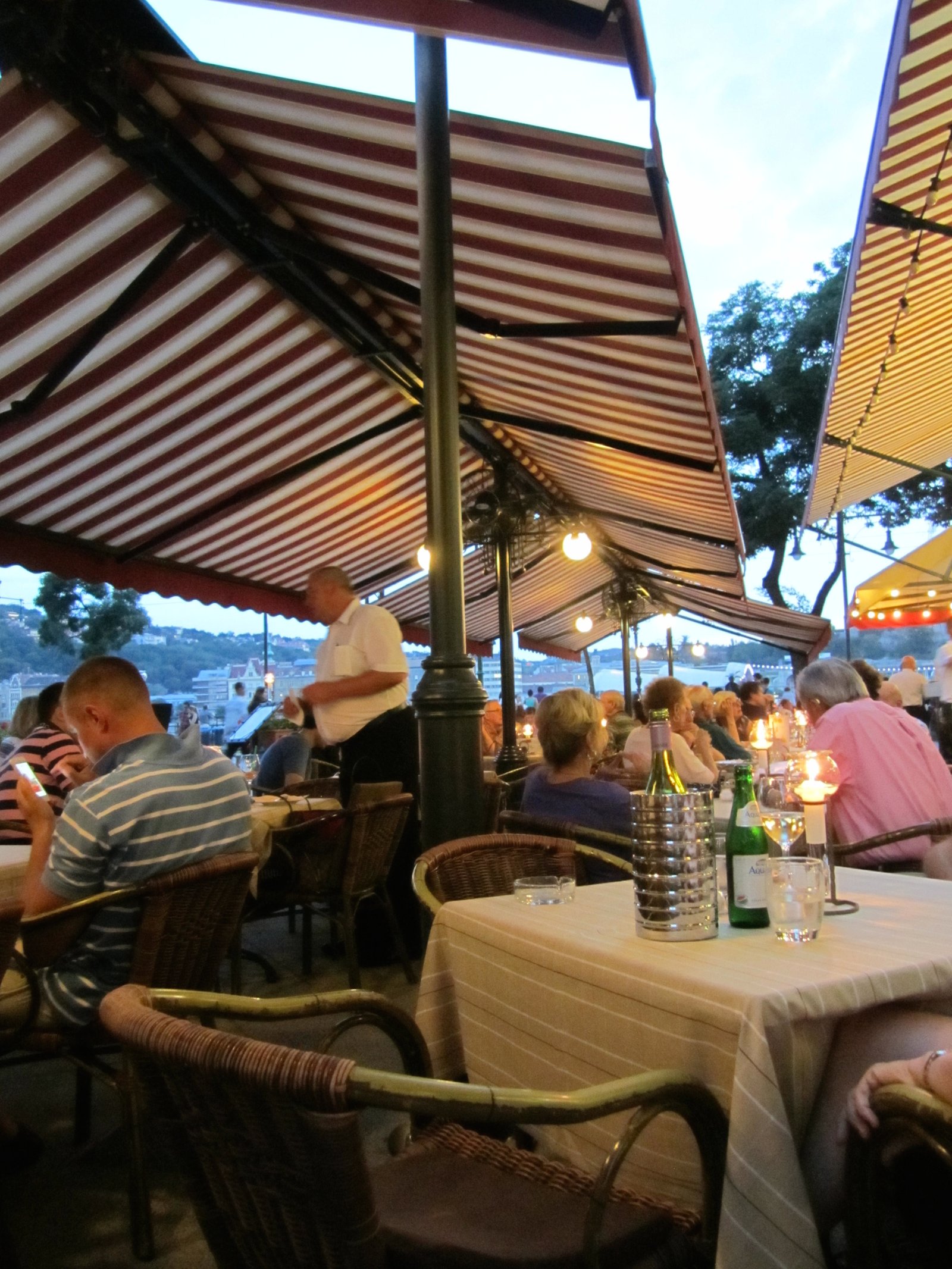
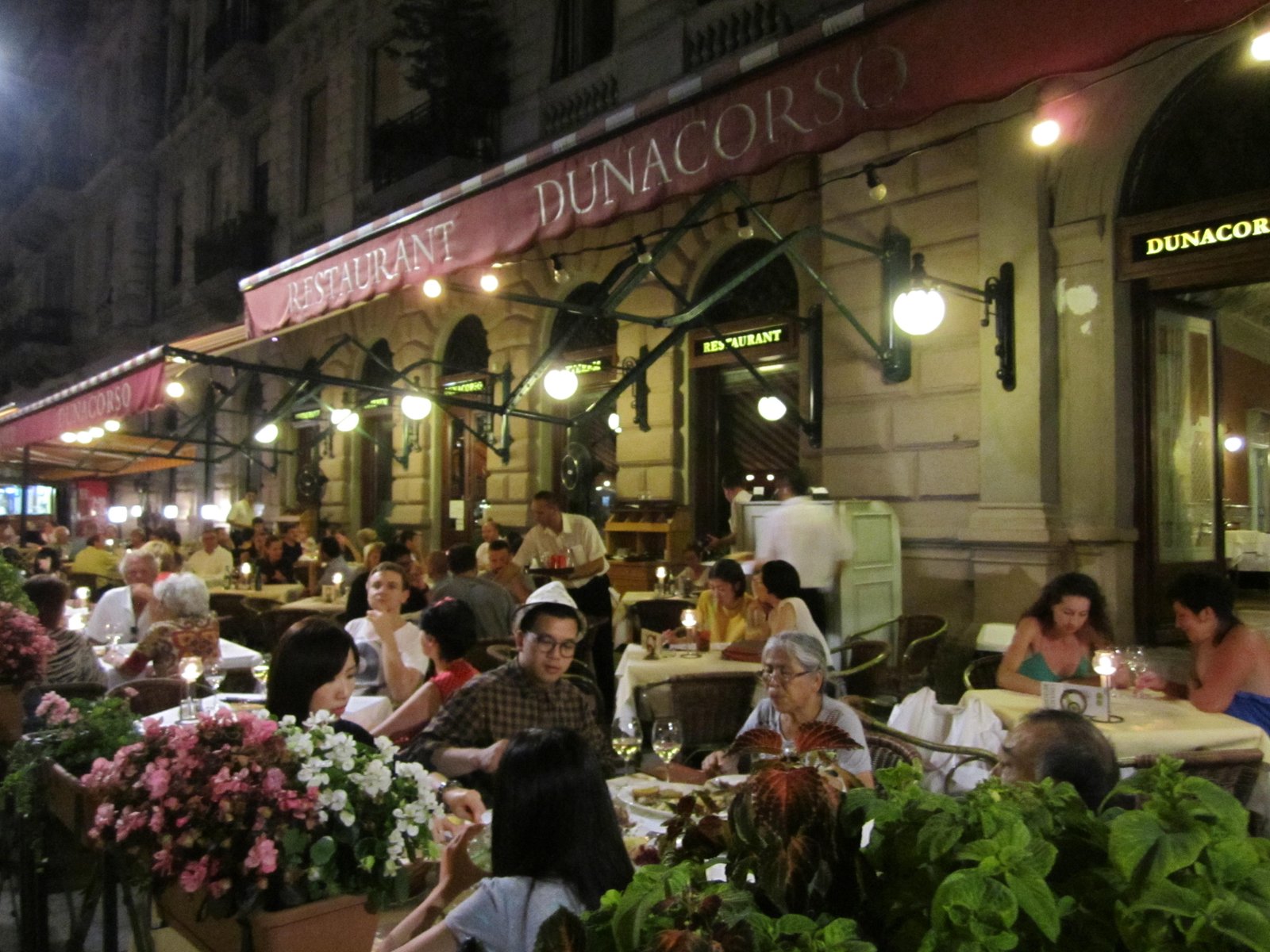
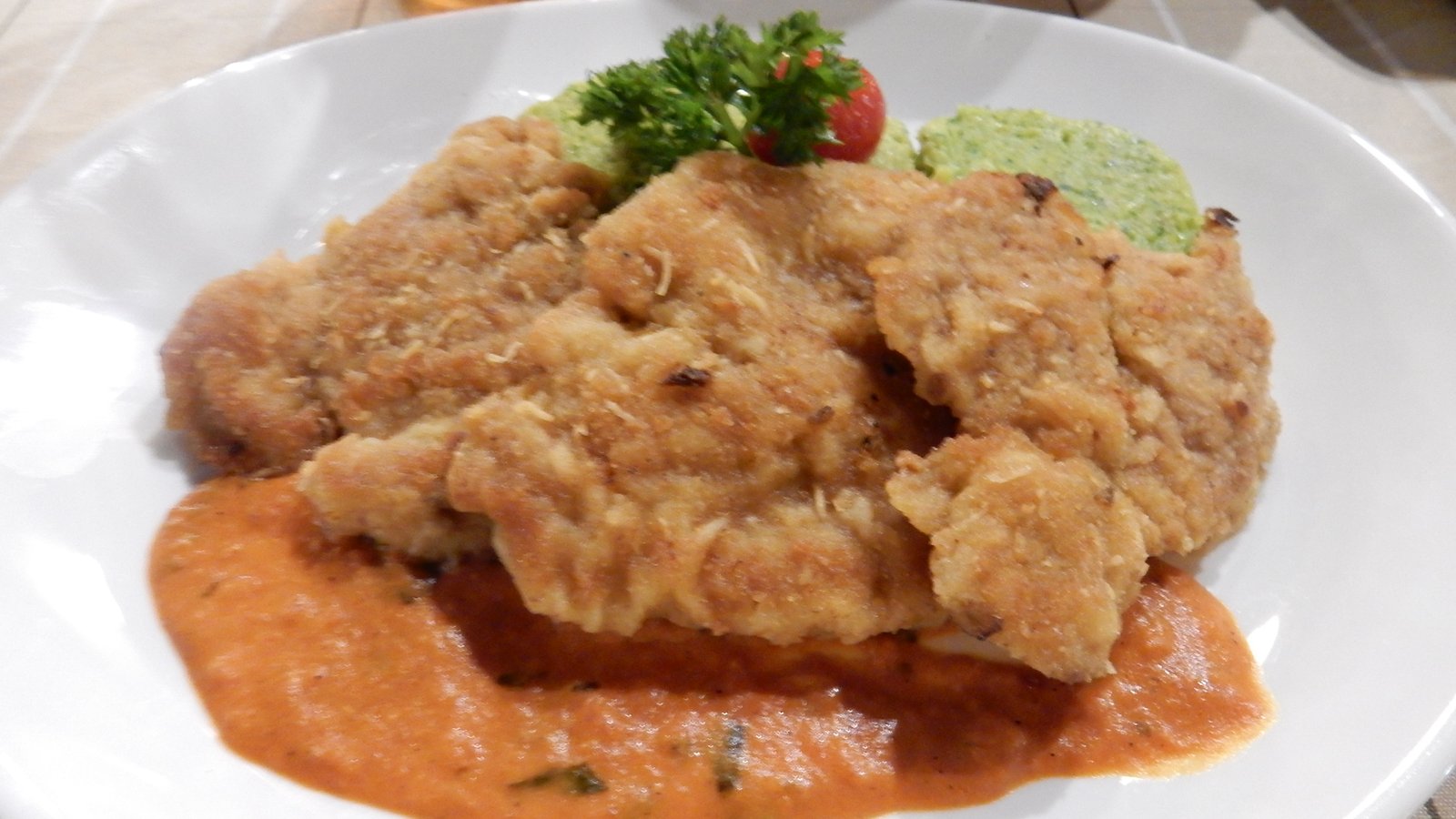
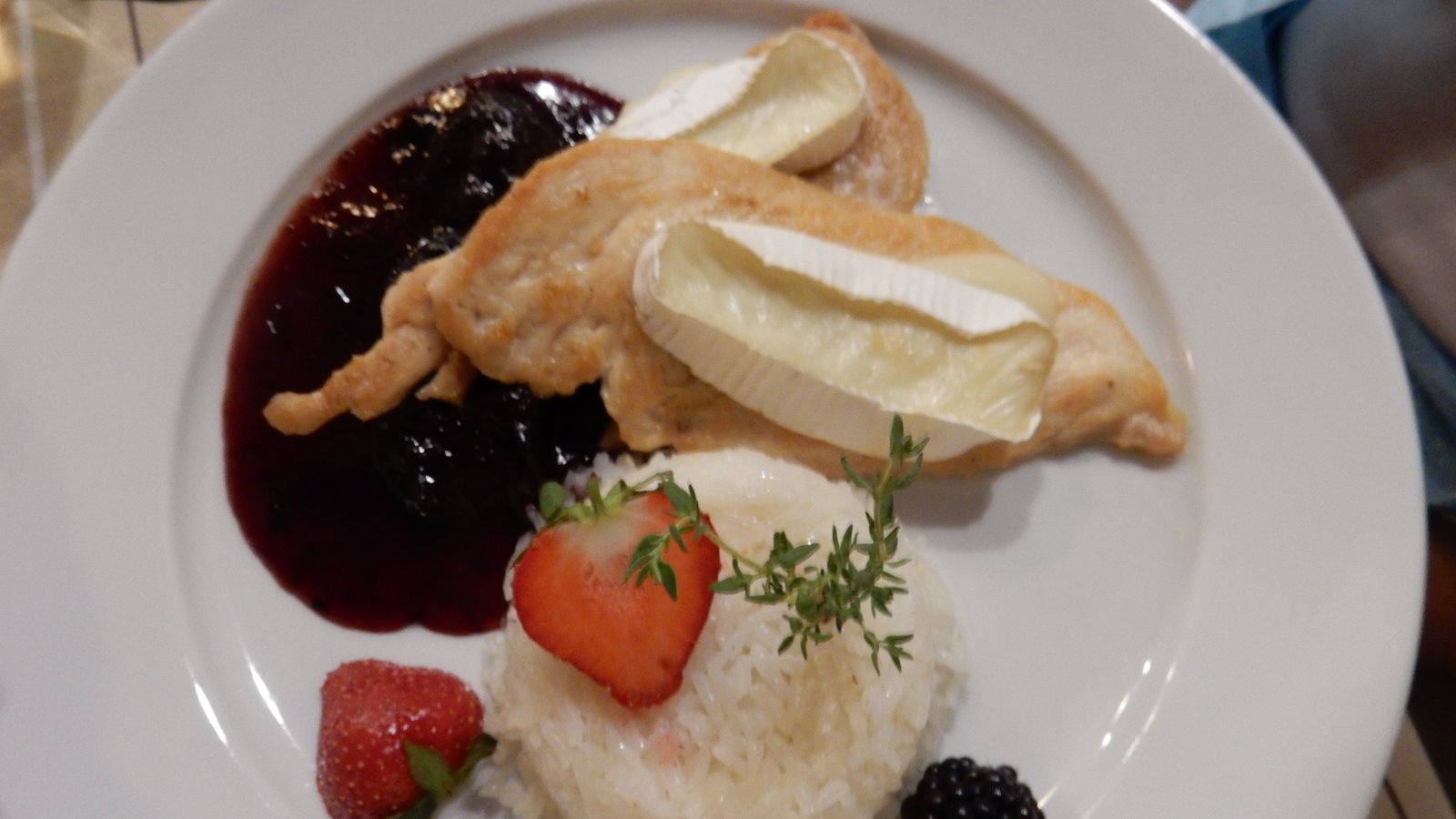
    Take a romantic walk along the city’s pedestrian riverfront or board a street car running the length of the Danube.IMG_2574 Late dining is the norm in Budapest and MW slipped into Dunacorso Restaurant before the rush without a reservation. Seated outside by the Danube dining on one dish of filet mignon of pork in parmesan with polenta verde and tomato mascarpone sauce, and a second dish of chicken breast grilled with camembert, plum sauce, and rice. Casual and leisurely dining is the lifestyle here and it’s common to see families with small children at the dinner table at nine o’clock or later.

    IMG_2557

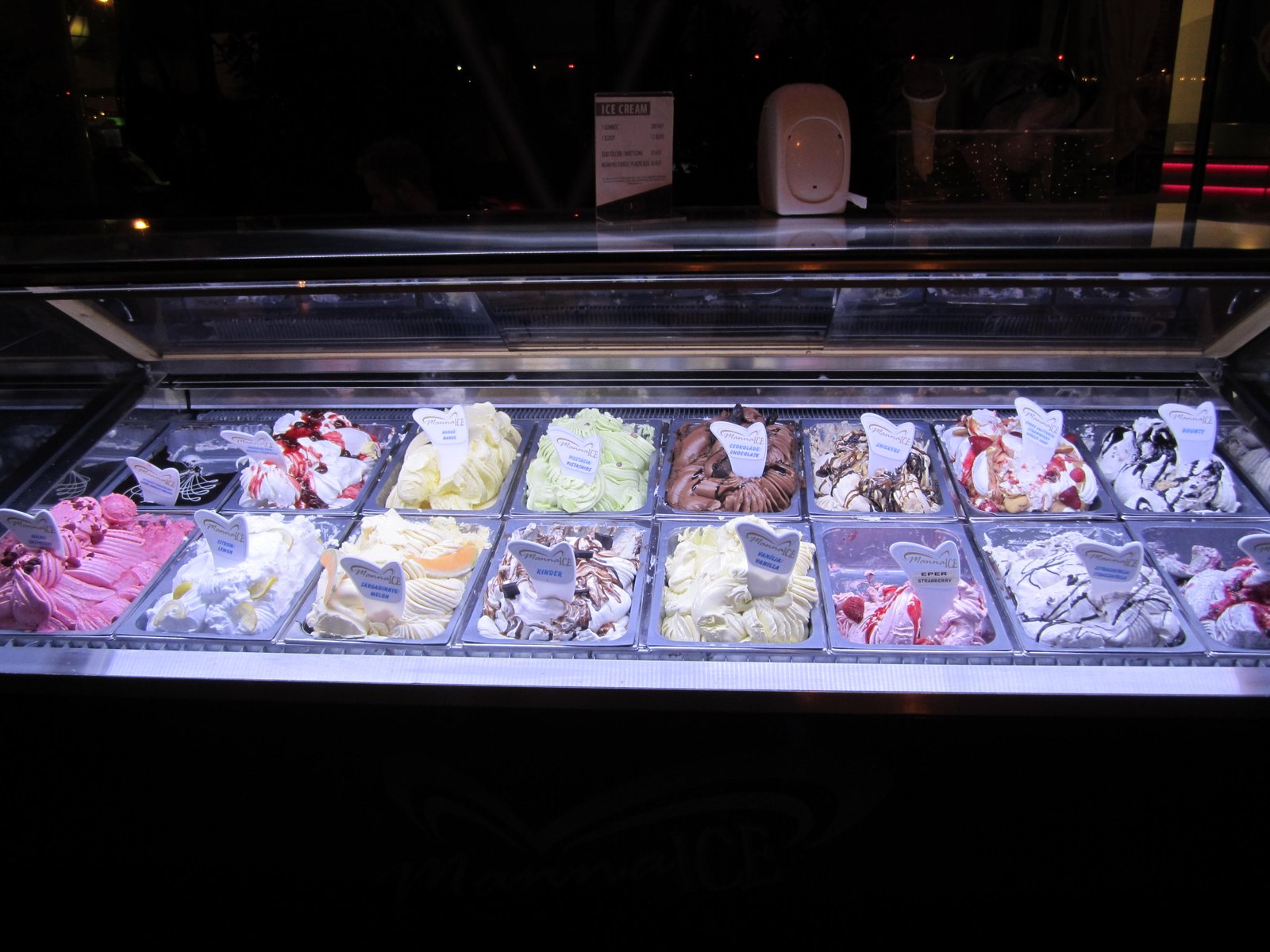
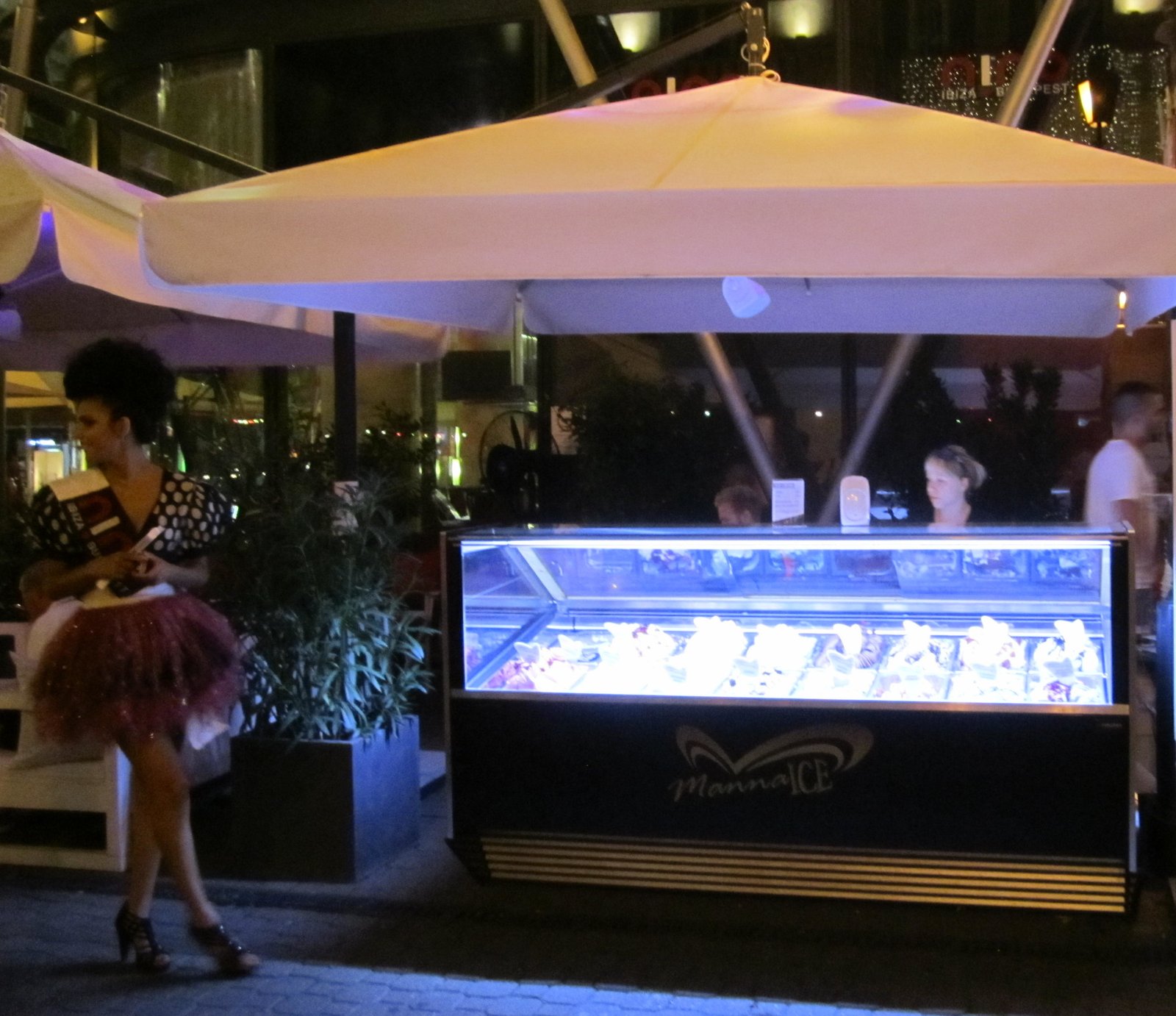
    DSCN0823IMG_2567DSCN0818DSCN0819A short walk from the restaurant MW discovered a pedestrian shopping mall alive with specialty stores open late, night clubs, outdoor cafes, and gelato bars; sites and sounds reminiscent of a romp through Miami’s South Beach.

    DSCN0825


    IMG_2561


    IMG_2560When two statuesque showgirls scantily clad in sequins high-heeled their way to the front of the gelato bar, it was clear Budapest had replaced the Iron Curtain with sheer satin drapes. With that, MW’s time was up. Speed dating’s over but leaving me longing for more.

    IMG_2545

    Take a tour of Budapest by clicking the videos below.