Tag: Gulf Coast
-
Make This Florida Island Beach And Historic Fort A Must-See!
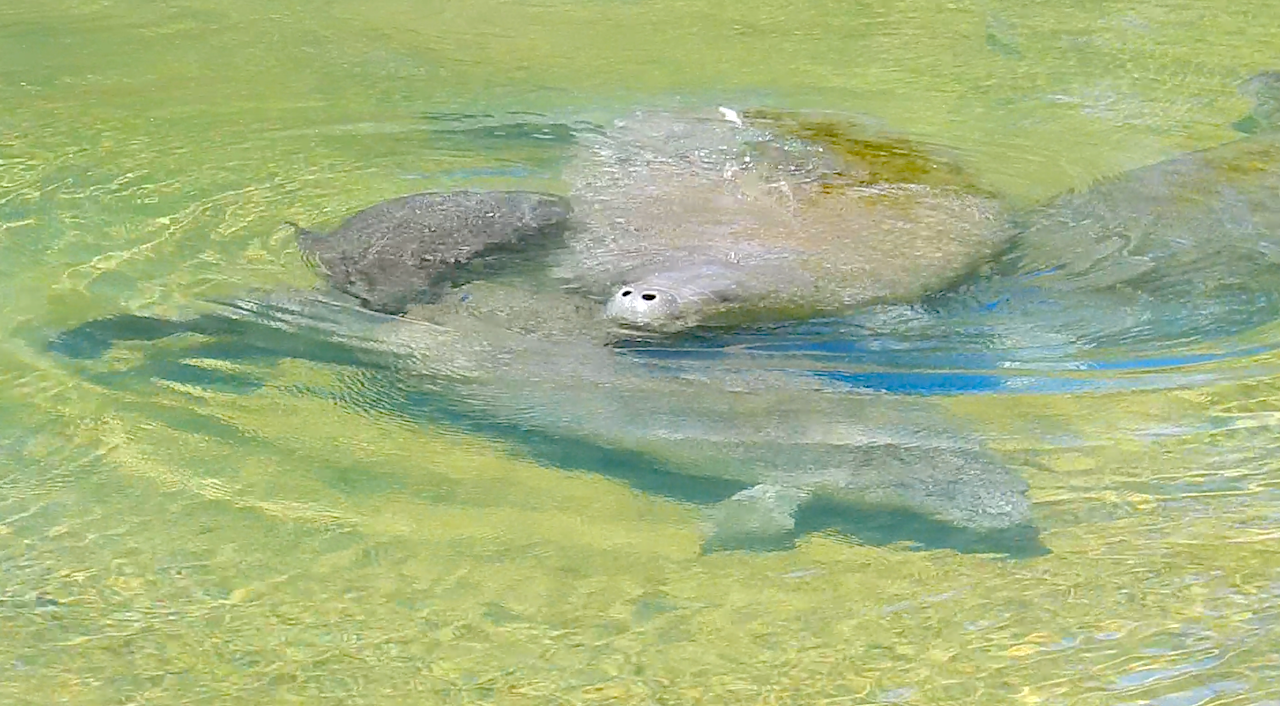
On any given day nature unwraps glorious gifts at Fort De Soto Park on Florida’s Central West Coast in Pinellas County. A giant manatee glides through the water close to where you’re swimming. A pelican soars above, then dive bombs the water to fill its gullet with fish for lunch. Dolphins frolic. Stingrays fly through the water inches from the shoreline. (Swimmers alert: do the stingray shuffle as you enter the water).
Ft. De Soto/Mellow Wanderer Photo Explore A Real Fort
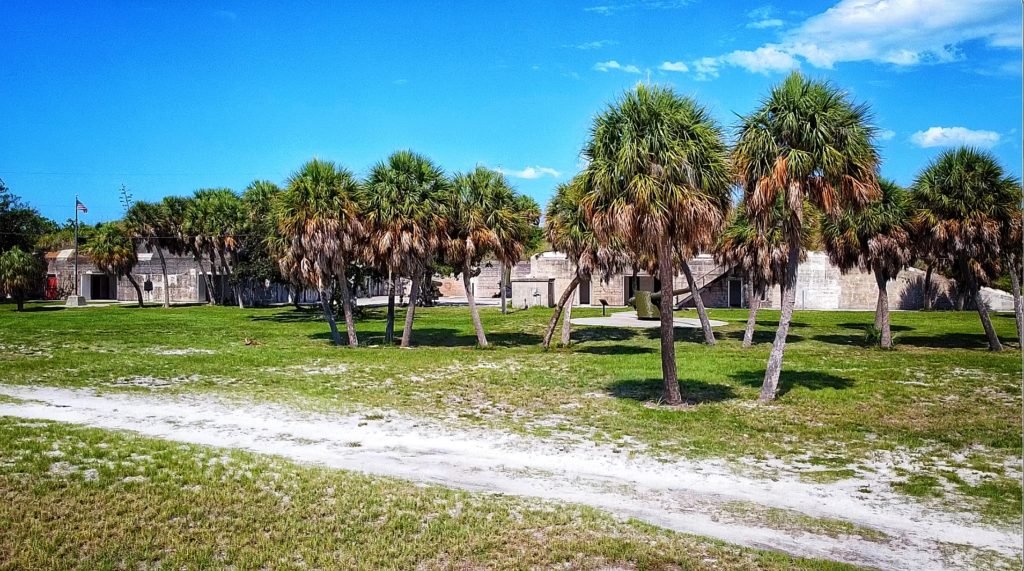
Fort De Soto Park has everything for the curious to explore. Obviously, the name gives away the fact an actual fort is here. The Spanish American War-era fort was built to protect Tampa Bay from invaders entering from the Gulf of Mexico. Fort De Soto, named after the Spanish explorer who led the first expedition to Florida, remained active until after World War II, when it was sold to Pinellas County. It reopened as a public park in 1963, and in 1977 was placed on the National Register of Historic Places.
Today, visitors pay a $5.00 per car entrance fee to the park. You can take a self-guided tour of the fort and climb the stairway to the top of the observation deck. The views of the beachfront from there are spectacular. The fort’s weapons batteries are still in tact with eight 12-inch M 1890-MI mortars.


America’s Best Beach
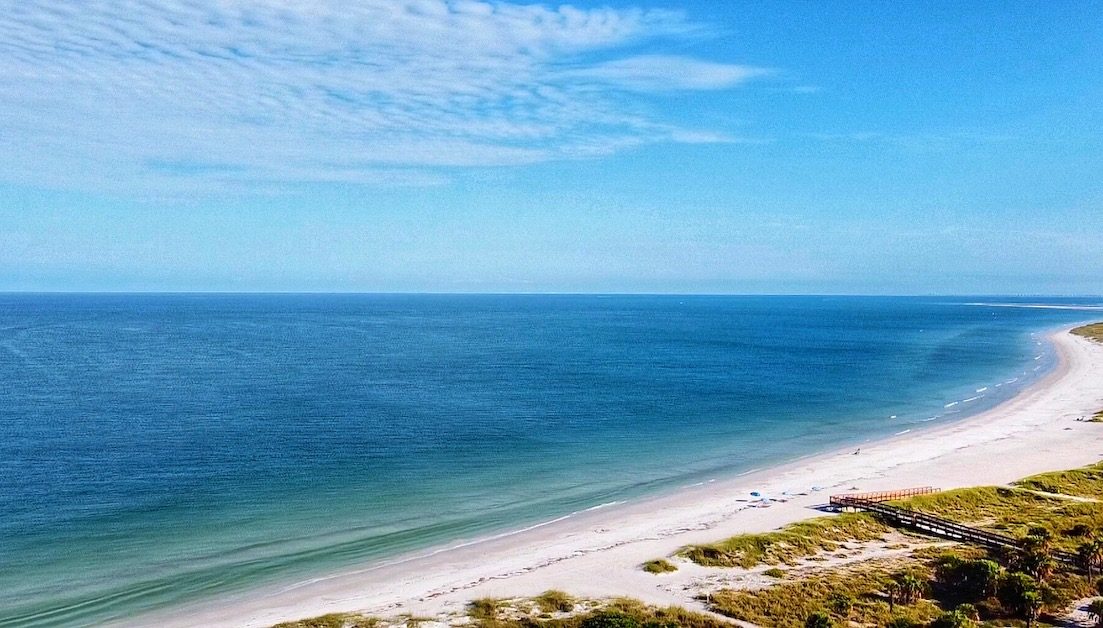
Five islands, or keys, make up Fort De Soto Park totaling nearly 1,200 acres. The beachfront spans more than six miles. This place is so huge and undeveloped it’s rather easy to escape beach crowds and find quiet spaces, especially during sunset. The sunsets here, I think, are the best in Florida.


Beach sand as fine and white as sugar extends to the blue-green Gulf of Mexico. In 2005, renowned coastal scientist Dr. Stephen Leatherman, also known as Dr. Beach, named Fort De Soto’s North Beach “America’s Best Beach.” It finished ahead of some of the best known beaches in the world, including those in Hawaii.
America’s Top 10 Best Beaches— 2005
Fort De Soto Park, North Beach, St. Petersburg, Florida
Ocracoke Island, Outer Banks, North Carolina
Hanalei Bay, Kauai, Hawaii.
Caladesi Island State Park, Clearwater, Florida
Fleming Beach, Maui, Hawaii.
Coast Guard Beach, Cape Cod, Massachusetts.
Coronado Beach, San Diego, California.
Cape Florida State Park, Key Biscayne, Florida
Main Beach, East Hampton, New York
Hamoa Beach, Maui, Hawaii.
(Source: Stephen Leatherman, Ph.D., Laboratory for Coastal Research, Florida International University)
Gulf Pier/Mellow Wanderer Photo Things To Do
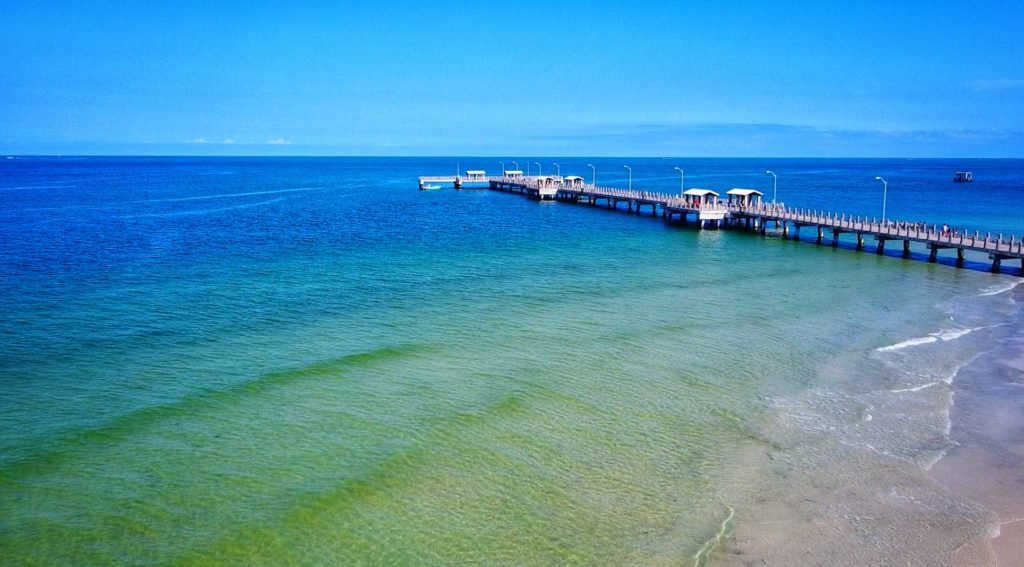
If you’re looking for recreation, Fort De Soto has a wide variety of activities. There’s a 7-mile paved trail for walking and biking, a boardwalk and nature trail, and a dog park. Kayak rentals are available to explore the mangrove waterways— a great way to see manatees and dolphins feeding! Is fishing your thing? There are two places to drop a line: the 500-foot Bay Pier and the 1,000-foot Gulf Pier. Both have food concessions and sell bait and tackle. An 800-foot boat ramp with parking also makes it convenient to launch your own vessel.
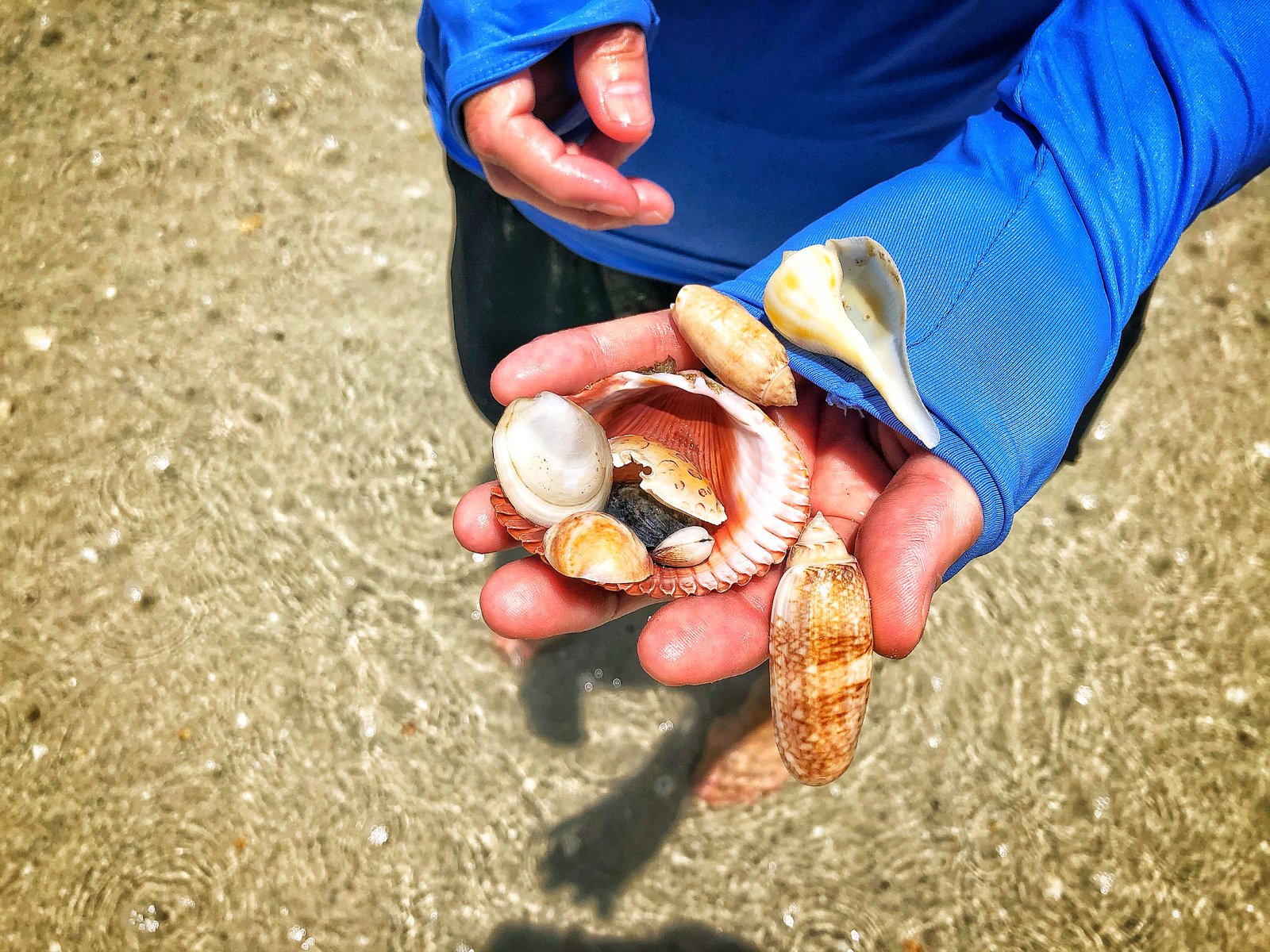
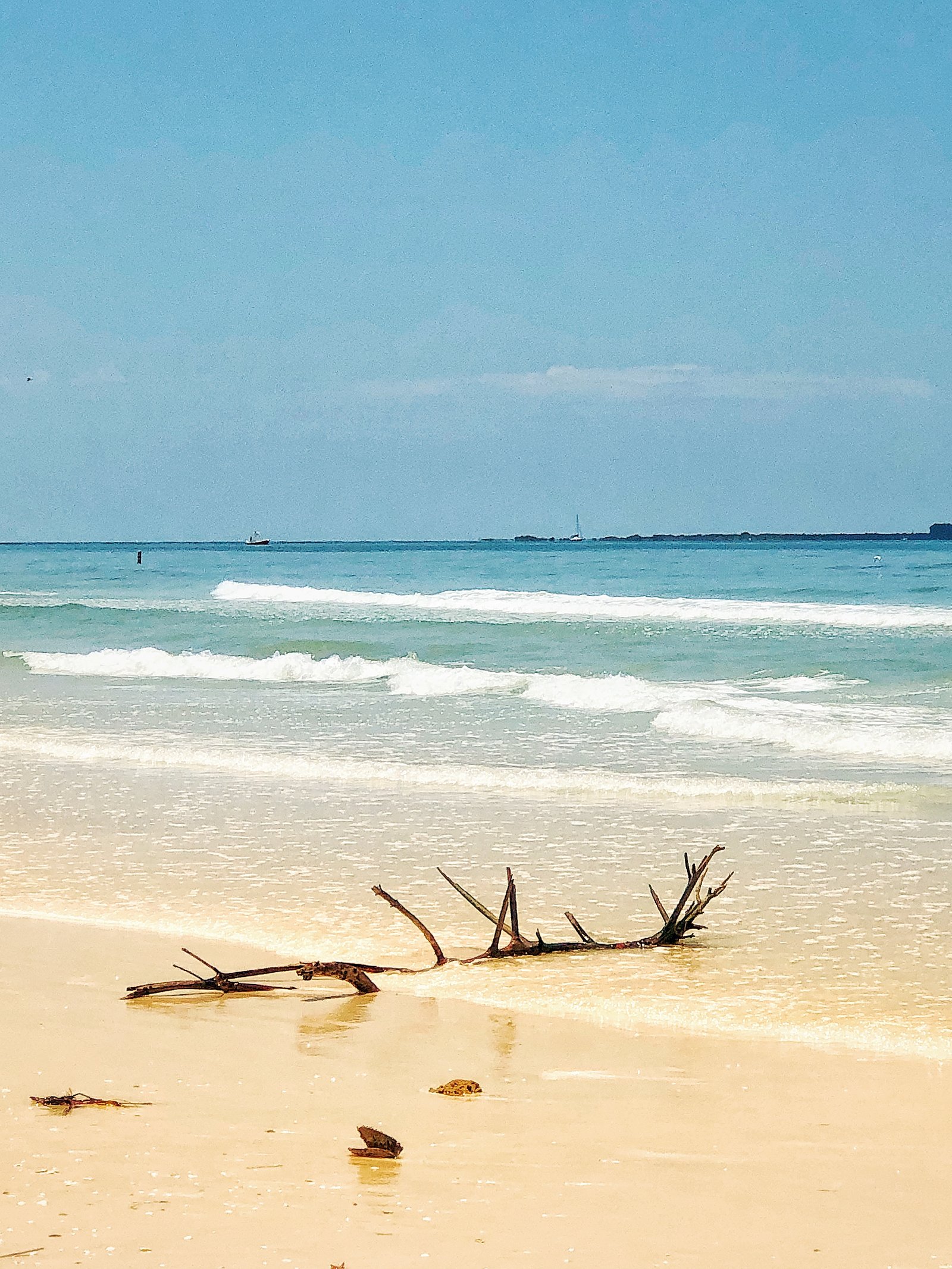
For beachcombers, seashells, sand dollars, and driftwood are plentiful, especially after a storm rolls through. Dense sea oats gently sway in the gulf breeze, and a variety of shorebirds glide and walk along the water’s edge. At various times of the year, different bird species migrate to Fort De Soto’s beach so bring binoculars. One time I met a National Geographic photographer who was there to document the winter migration of white pelicans from Louisiana.



There’s so much to do you can make an extended weekend or week-long vacation here. Fort De Soto has a popular campground in the park. The 236-site campground accommodates tents, vans, pop-up campers and trailers under 16-feet. Bookings fill up fast, so make plans— as much as a year in advance— to secure a camp site.
Fort De Soto Park is an experience you won’t forget!
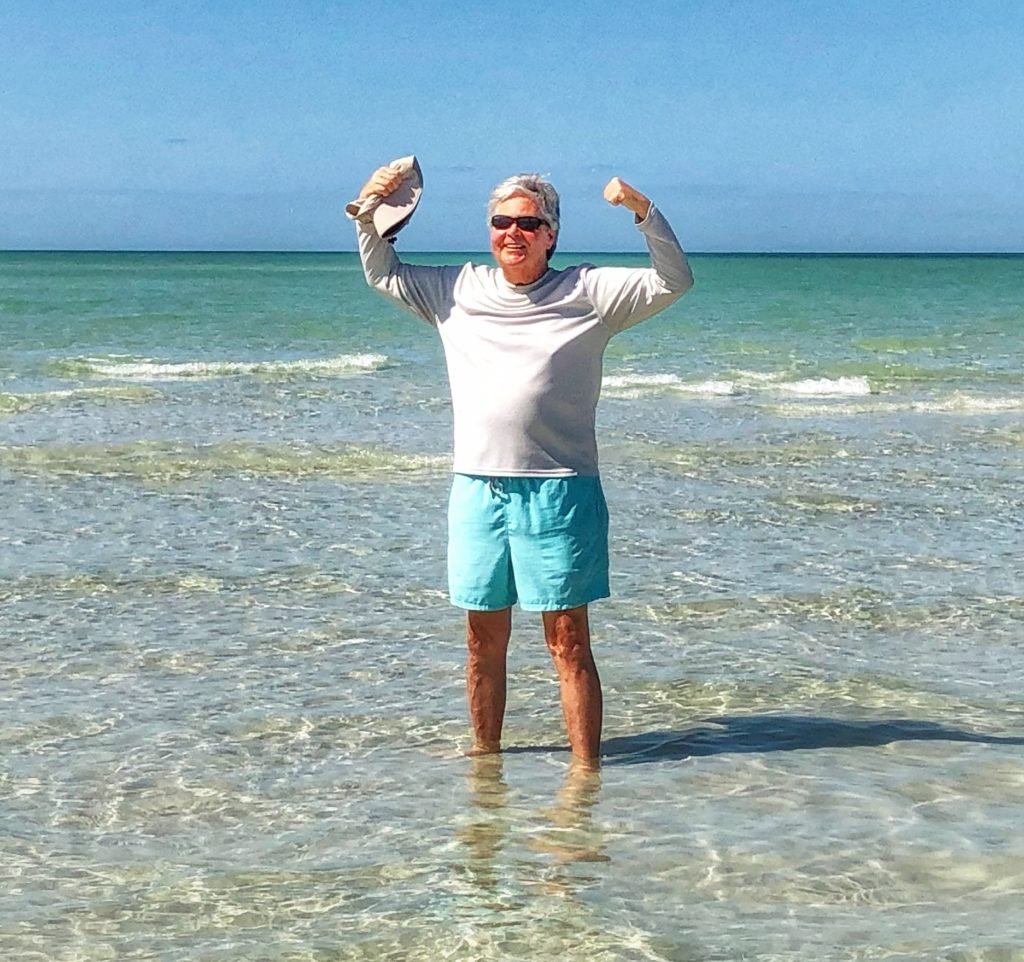
Steve Geiger, The Mellow Wanderer Fort De Soto Videos
Fort De Soto Aerials Exploring The Fort Fort De Soto Wildlife Fort De Soto Kayaking -
Step Back In Time At Cedar Key
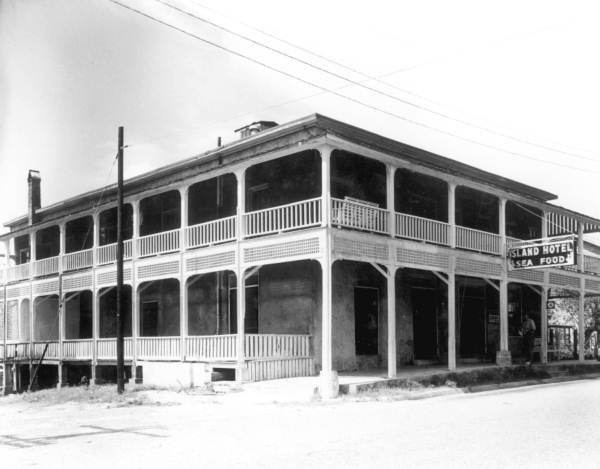
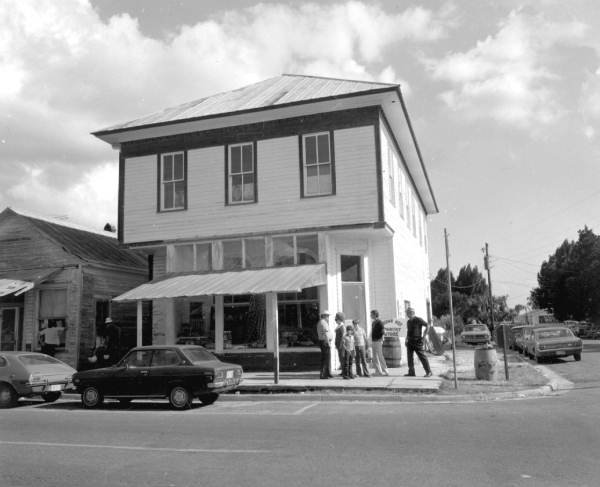
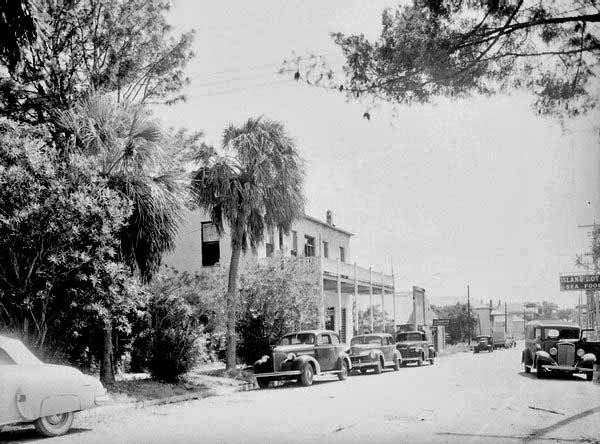
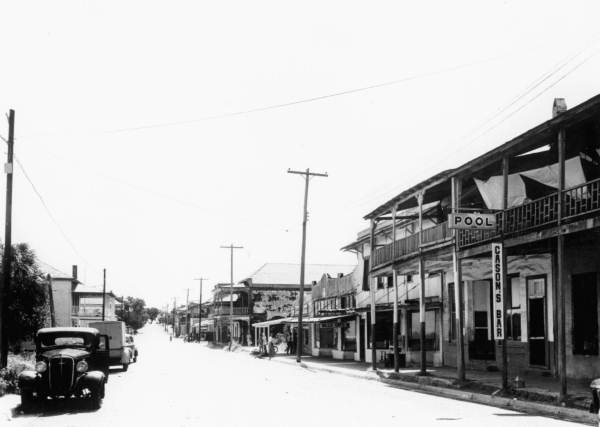
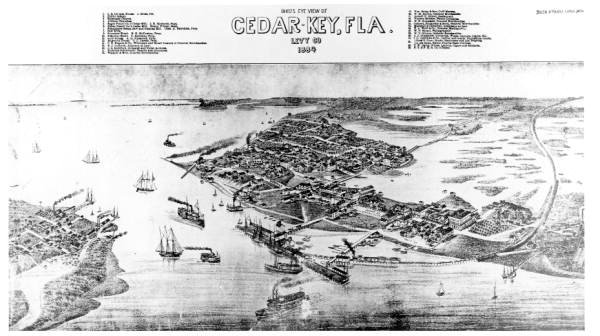
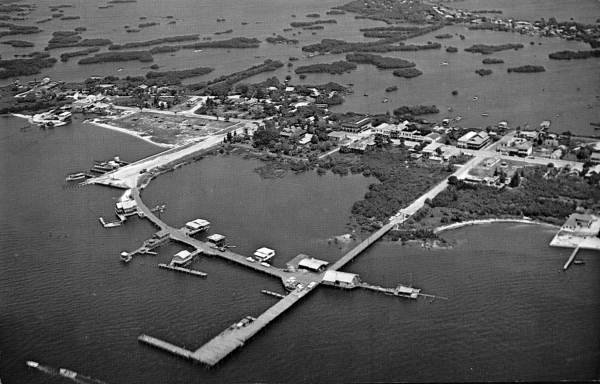
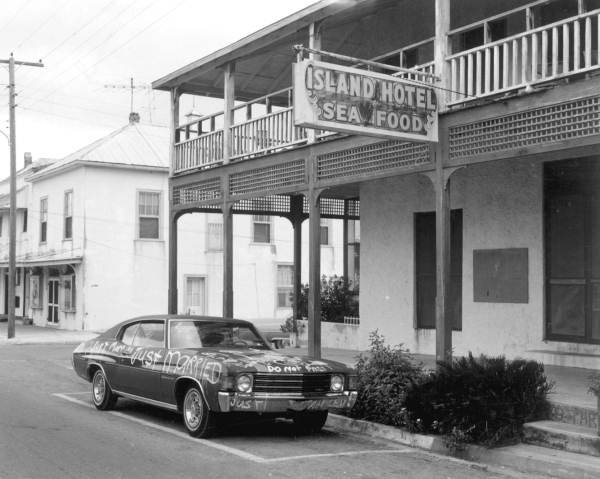
(CEDAR KEY, FL) Just west of Gainesville and north of Tampa on Florida’s West Coast is a sleepy fishing village jutting into the fertile salt marches, breeding grounds for the rich supply of shellfish, mainly oysters and clams. A bowl of homemade chowder is practically part of the daily diet here. Wander down Cedar Key’s 2nd Street and witness a living history lesson. Little has changed, or so it seems, from the days of early settlers. From City Hall and the public library to the Island Hotel and the public beachfront park, practically everything has historic value or is registered as a historic landmark. Life passes quietly here from one generation to the next. Locals brag you can walk the town in little more than an hour, even less in a golf cart; There are more of those than cars, trucks, and mini-vans. You won’t find swanky condos or waterfront McMansions here. Tourists prefer the rustic feel of the place. They’re more likely to get a fresher catch by dropping a line from the fishing pier than wait in line at a local eatery. A sliver of beach is all you’ll get in Cedar Key and it borders a public park, where there is a playground and basketball court. Hardly secluded or quiet. It has a town square feel, probably much the same as the early 1800’s. Walk along the waterfront and you’ll find boat captains offering fishing excursions, sightseeing tours, sunset sailing and kayaking. Dock Street is a small tourist strip of waterfront bars, restaurants and kitschy souvenir shops. The Dock Street Fishing Pier is one of the largest in Florida and has public restrooms.


Press Play To View A Tour of Cedar Ker
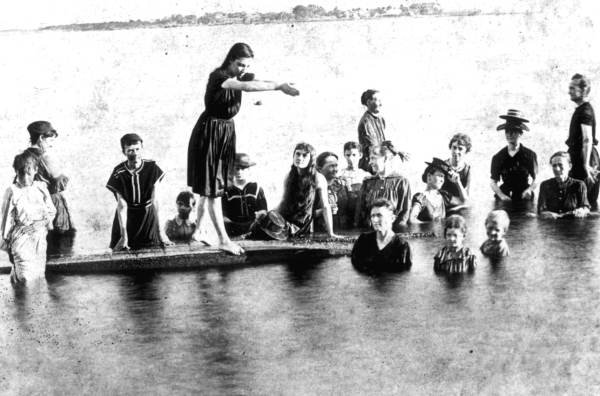
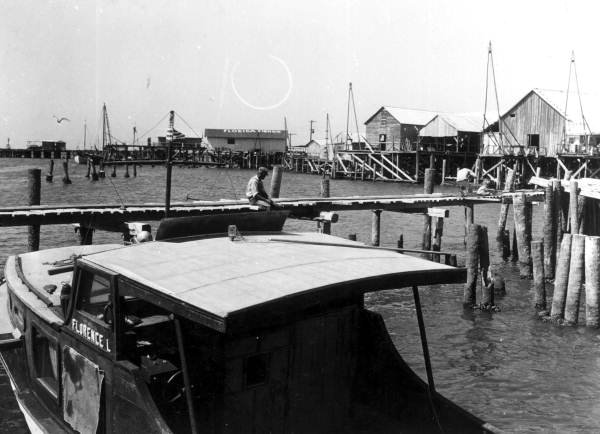
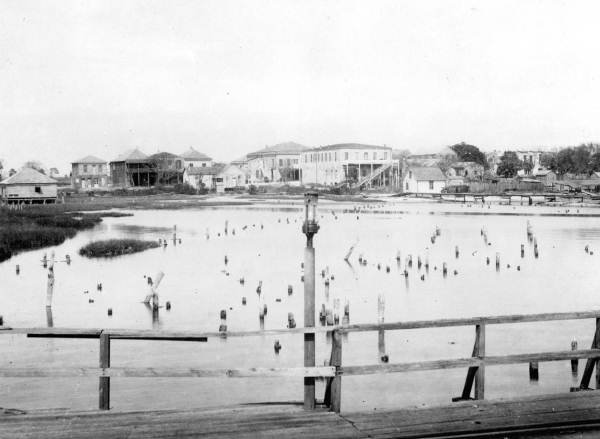
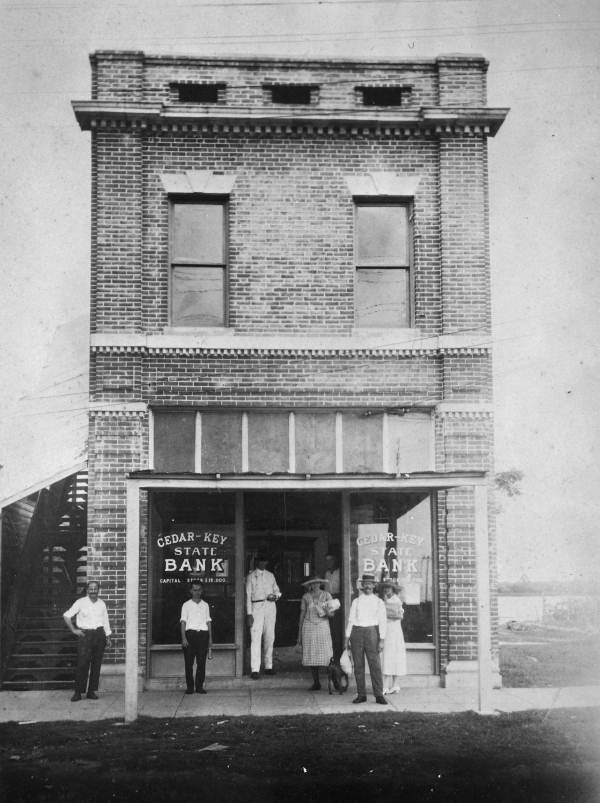
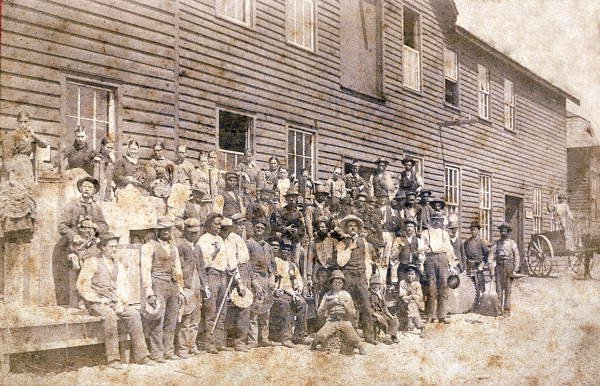
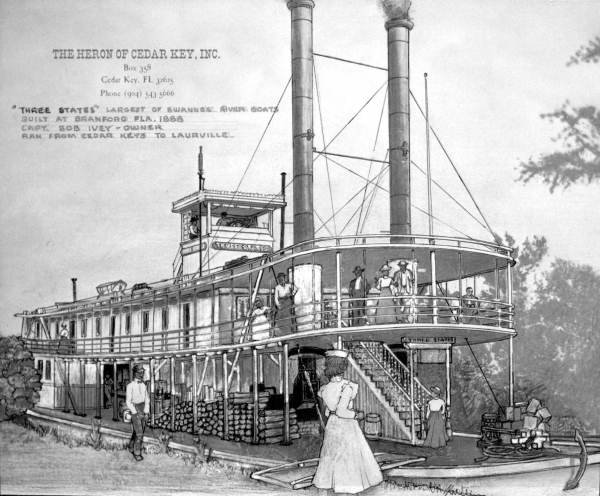
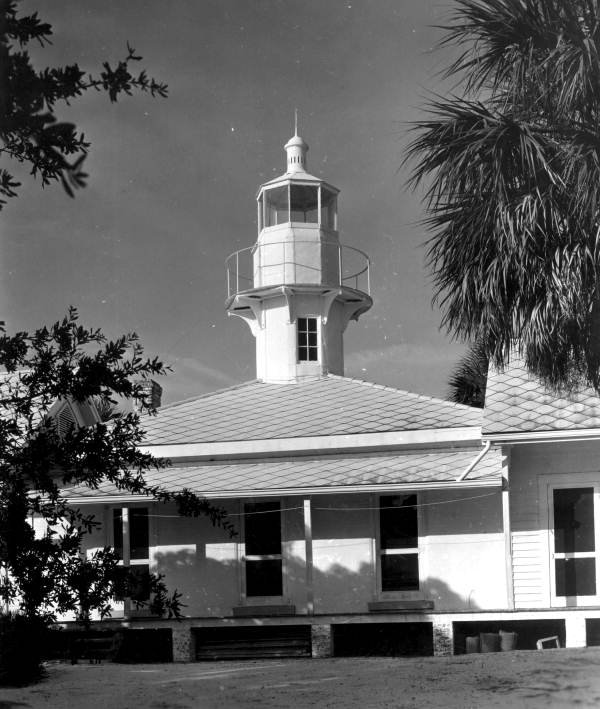
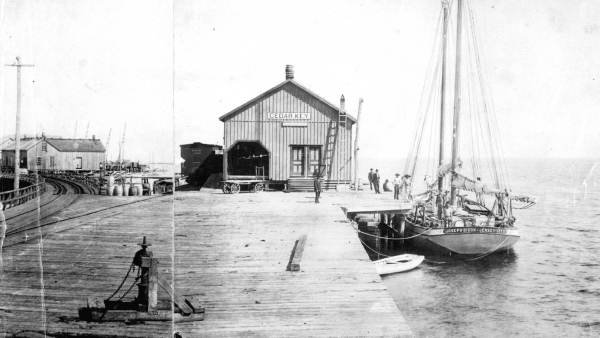
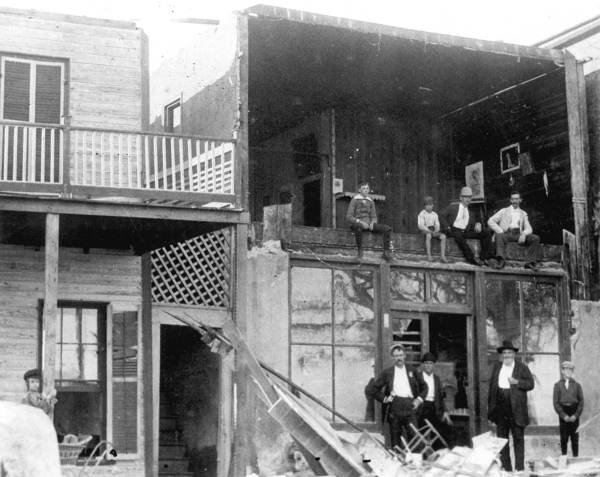
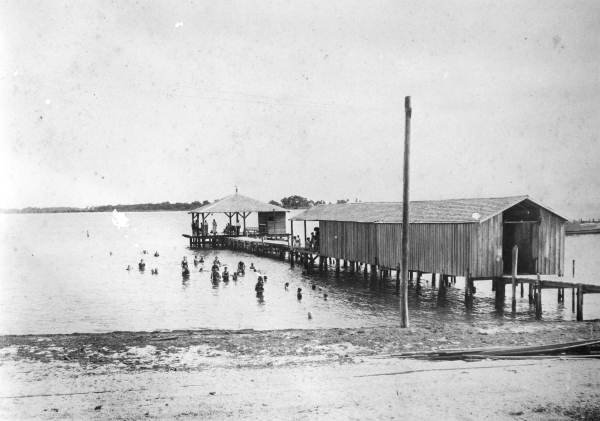
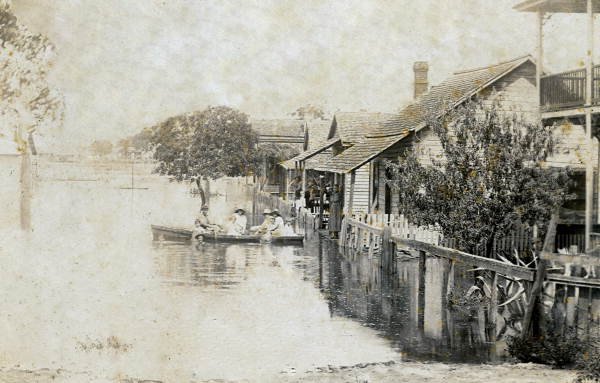
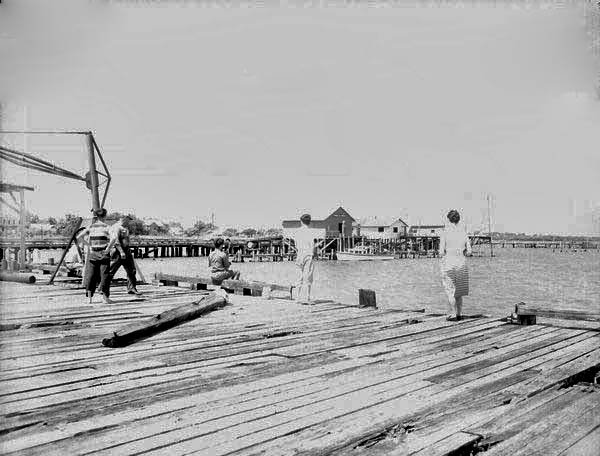
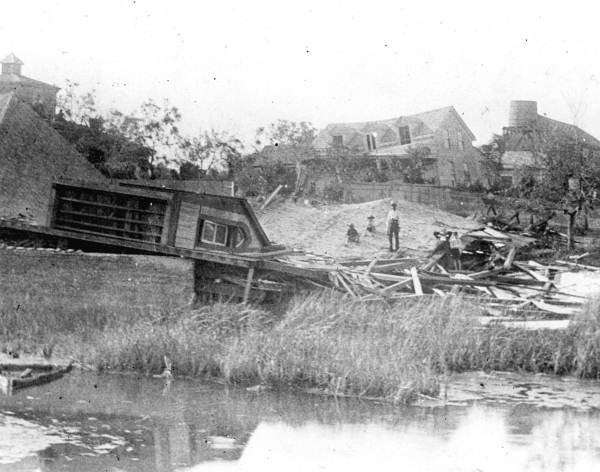
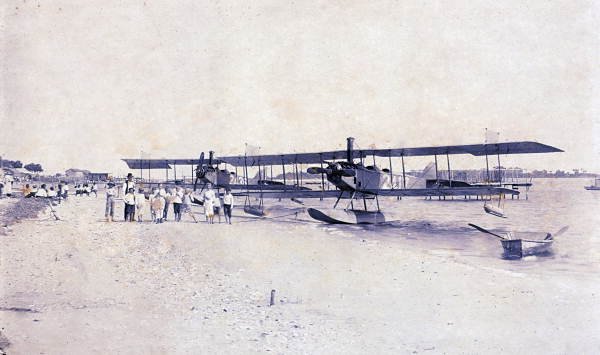
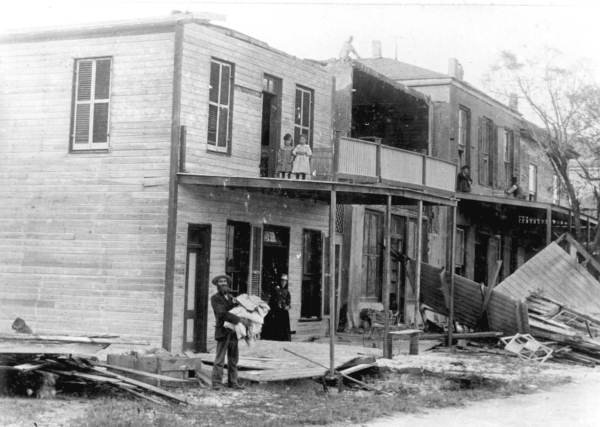
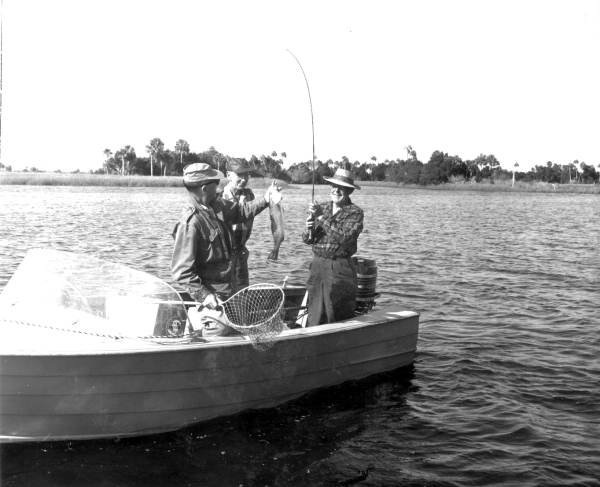
Cedar Key has fewer than a thousand year round residents. Historians estimate the first human inhabitants date back to 500 BC in an area known as Shell Mound. Cedar Key is also vulnerable to tropical storms and hurricanes, and has experienced significant damage in its long history. The Florida State Archives has a large collection of historic photos.
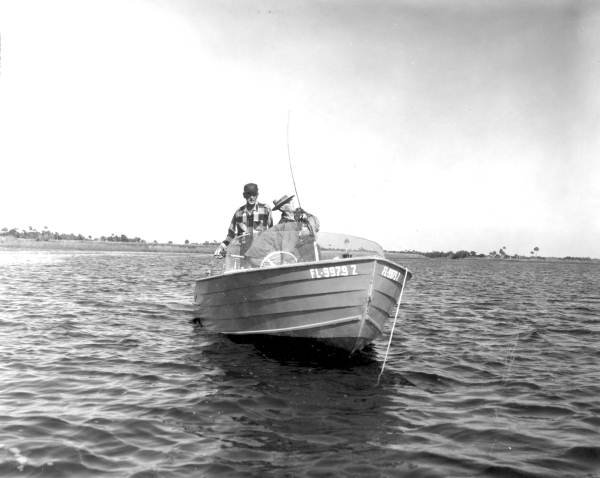
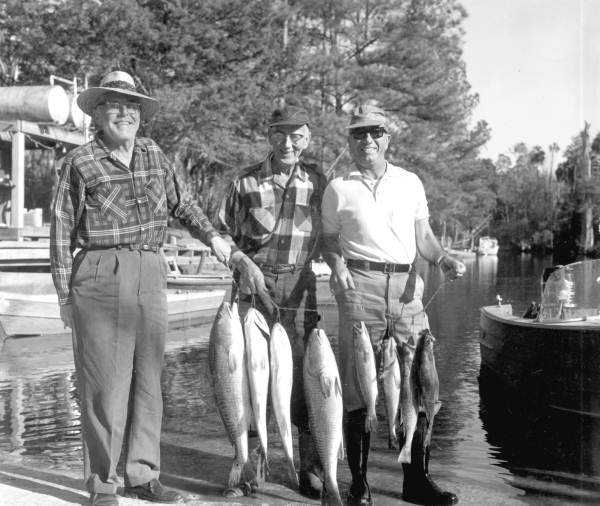
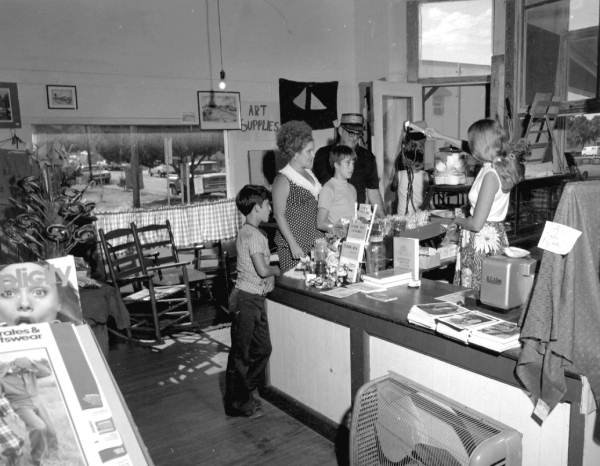
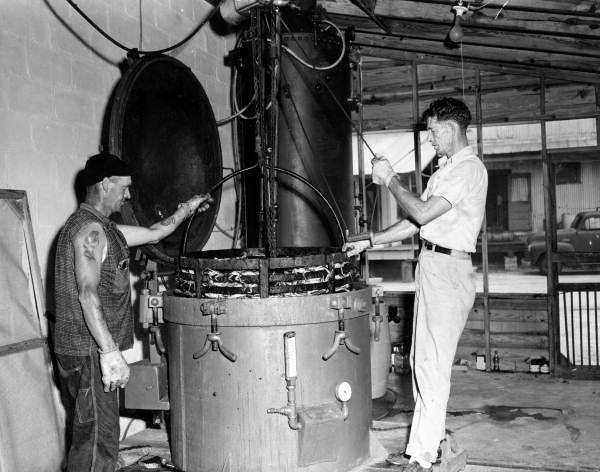
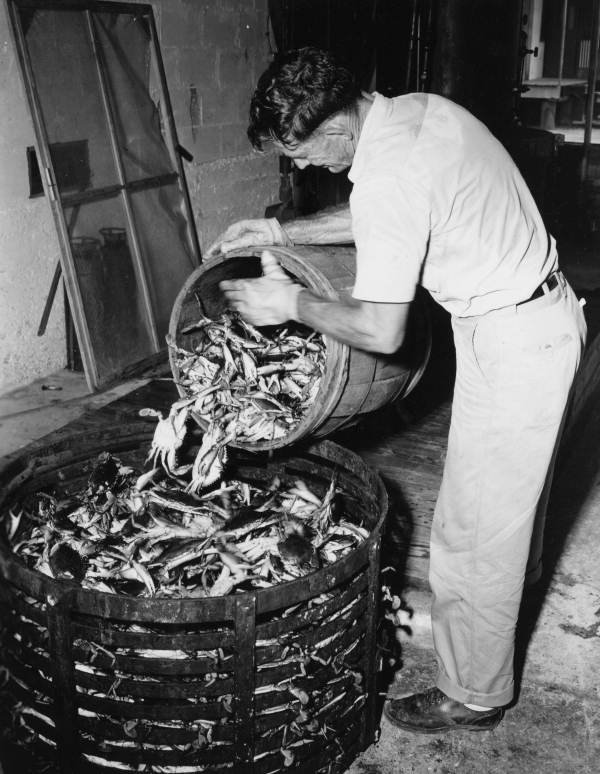
Slideshow Of Historic Cedar Key
(Photos From The Florida State Archive)