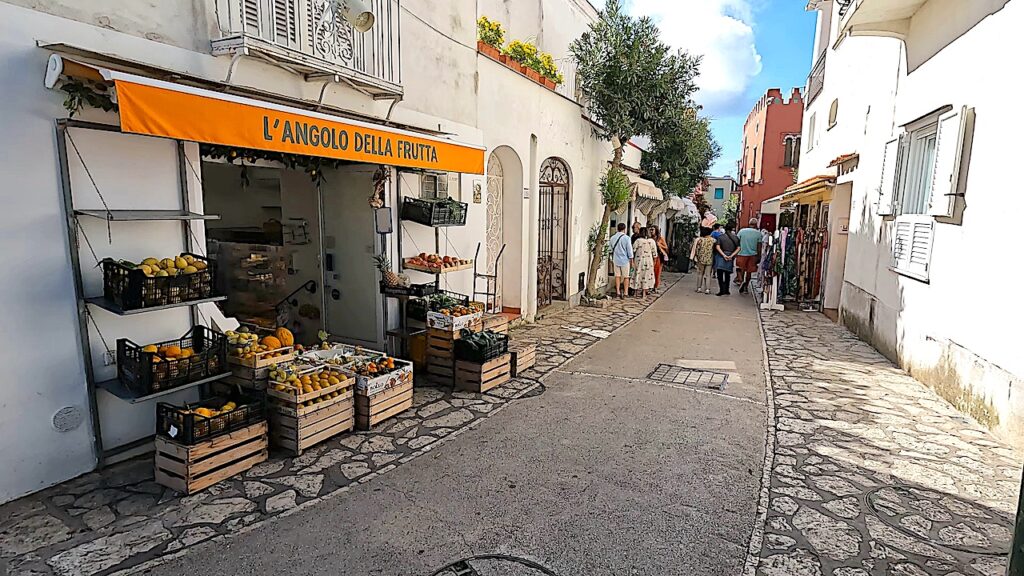
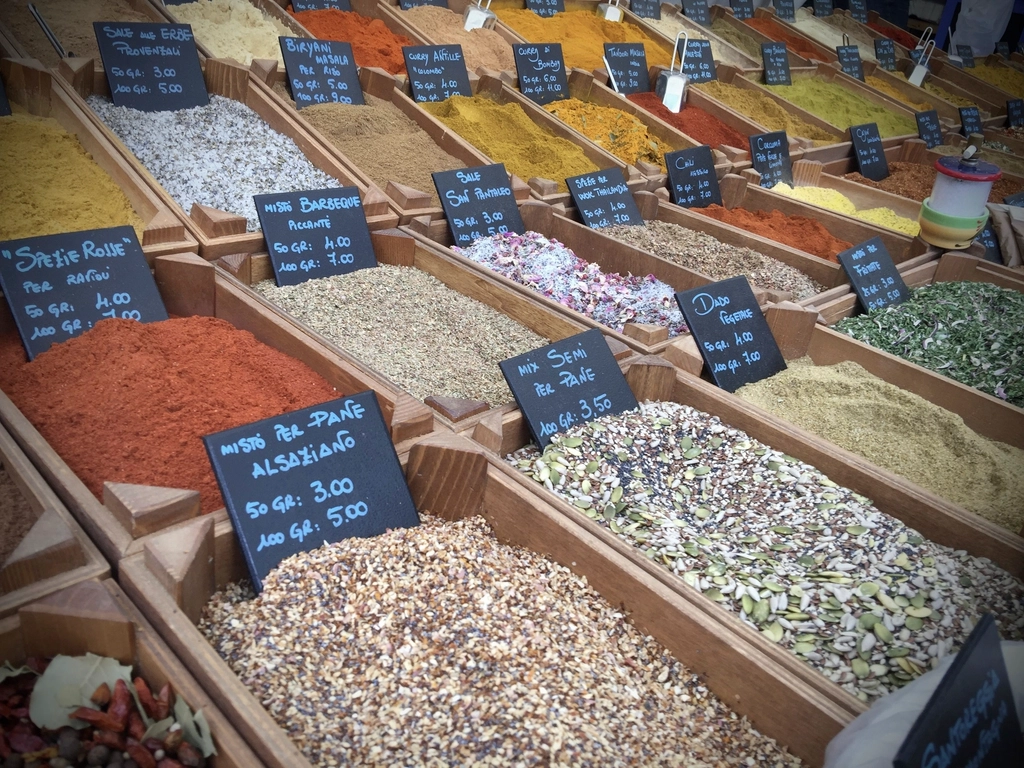
When you sip a cappuccino in Rome or buy a handmade trinket in Croatia, you’re not just engaging with a local culture — you’re riding the invisible currents of global trade. Most travelers don’t think about shipping lanes, tariffs, or currency flows when they pack their suitcase. But let me tell you, whether you’re strolling through the Champs-Élysées in Paris or buying a pastry at the corner cafe back home, global trade is quietly steering the journey.
PARIS (Mellow Wanderer Photo)ITALY (Mellow Wanderer Photo)
✈️ The Traveling Life, By Way of a Container Ship
Openverse Photo
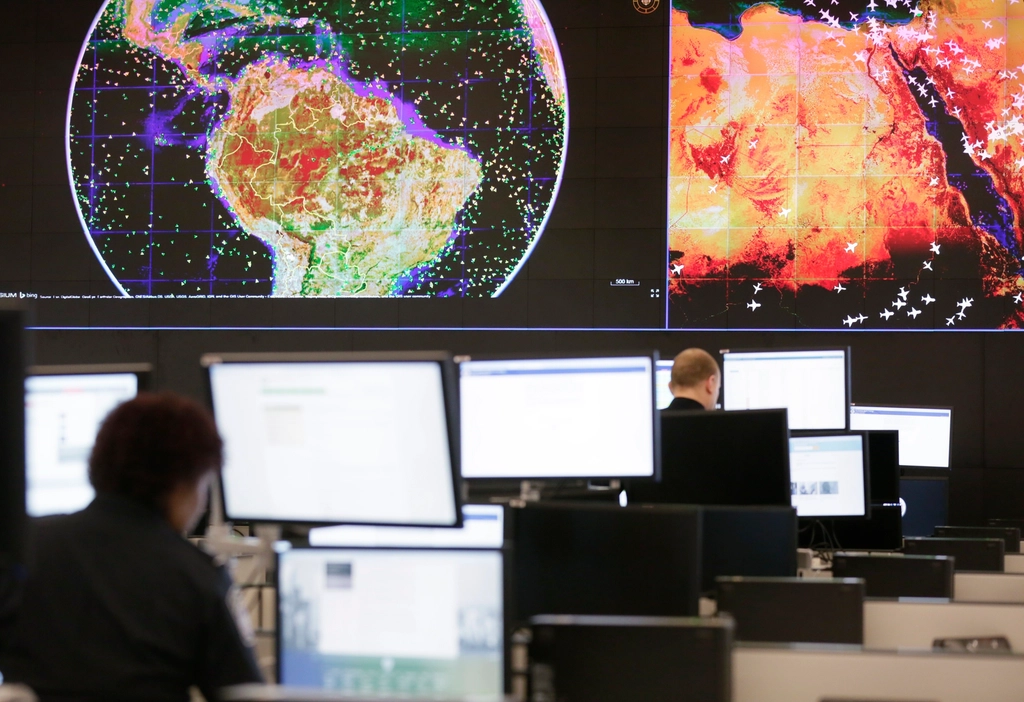
That $90 carry-on roller you grabbed online? Likely made in Vietnam, zipped through U.S. customs, and tagged “smart travel tech” before it reached your porch. The convenience of modern travel — affordable flights, lightweight gear, sleek gadgets — rests on a world where goods move fast and cheap. A trade deficit in goods, like the U.S. has, isn’t just an economic headline — it’s the reason your portable charger costs $20 instead of $70.
Let’s talk real stakes. When governments slap tariffs or restrict imports, it’s not just factories and ports that feel it — it’s also travelers.
🔄 As an American Abroad:
Higher prices in some places. If the dollar weakens due to trade friction, your euros, pounds, or yen don’t go as far.
Tense diplomatic ripples: Trade disputes can strain relations — you might notice more visa scrutiny, security checks, or even a change in the “vibe” toward Americans in certain countries.
Limited availability of familiar products or services (Apple Pay suddenly not working, or fewer American brand options in shops).
🛬 As a Foreign Tourist Visiting The U.S.:
If their home currency weakens (a trade retaliation effect), travel to the U.S. becomes expensive, and visits drop.
That’s why during U.S.-China tensions, Chinese tourism dipped, hurting cities like L.A., San Francisco, and NYC.
Meanwhile, U.S. national parks, theme park resorts, malls, and universities feel it — fewer international visitors mean fewer dollars circulating.
💼 What It Means For Wanderers
Mellow Wanderer Photo
So what’s a mellow traveler to do?
Stay flexible: If trade tensions spike, flight routes, costs, and entry requirements can shift.
Shop consciously: Support local makers who source materials responsibly. Ask where things are made — you’ll often spark a great story.
Keepaneye on currency trends: A little financial awareness goes a long way in timing that big trip.
🧳 Final Boarding Thought
Openverse Photo
Wandering well means tuning into more than just where you’re going — it’s about understanding the global system that makes travel possible. Trade isn’t just about stuff. It’s about people, culture, connections, and yes, sometimes friction. But even in a world of tariffs and tense negotiations, the human urge to explore, to share, and to understand remains borderless.
So pack smart, stay curious, and remember: whether you’re in a Parisian bistro or a Tampa taco truck, there’s a story behind every bite, boarding pass, and backpack — and trade helped deliver it.
Used to be the word “hack” had a negative connotation. Not anymore. Today, hack is a consumer-friendly word to save money, time, and stress, especially in planning a much anticipated trip or vacation.
Travel booking site Expedia released its 2023 Air Travel Hacks Report with insider tips to the best airline fares, often a budget buster, to your summer destination. The big takeaway from the Expedia report is the day of the week to book flights. Sunday is NOT the day to rest, according to Expedia:
“Book on a Sunday to save up to 15% on average Travelers who book on Sundays instead of Fridays tend to save, on average, around 5% on domestic flights and 15% on international flights. While the best day of the week to book has been Sunday for the past four years, travelers saved 5% more on average in 2022 compared to 2021. Book at least a month before domestic flights to save 10% on average. The sweet spot for snagging the best price on domestic flights falls between 28 – 35 days before departure – so about a month in advance of travel. Travelers that booked during that period saved 10% on average compared to those who waited until the last minute (0 – 2 weeks out). Book 6 months before international flights to save 10% on average Travelers that book around six months in advance of international travel saved 10% on average compared to those who waited until two months out or less to book.”
The Expedia report also has advice on how to deal with flight disruptions and getting the best deals on hotels and rental cars.
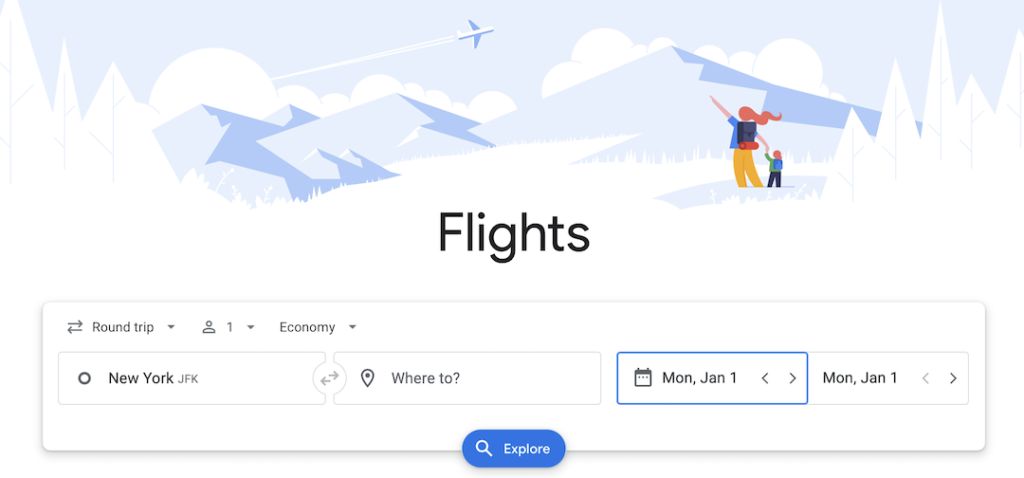
My new hobby is playing with Google Flights to score great deals. For instance, I got an incredible fare to New York to see the city all decked-out for the upcoming Christmas season. The deal: Roundtrip, non-stop on Delta for two passengers from Tampa International Airport to JFK for a total of $315! Not each passenger. That’s the total for both. I hit the sweet spot booking the week after Thanksgiving when air travel is in a lull before Christmas.
Google Flights is easy to navigate. Just select the date and destination of travel and check the email box for alerts from Google when fares go up and down. Of course, you want the down as much as possible. Again, the key here is book early. I booked the New York flight in January for next December. Google Flights also offers other useful features, such as a flexible dates option that allows users to search for flights within a range of dates to find the cheapest fares. It also shows users the cost of adding extra amenities like checked bags and in-flight meals.
Here are some other tips to hack your way to better travel deals:
Booking your flights and hotels during off-peak seasons: Prices for airfare and hotel rooms tend to be lower during off-peak seasons, which can help you save money.
Using travel rewards credit cards: Many credit cards offer travel rewards, such as points or miles, for every dollar spent. These rewards can be used to offset the cost of flights, hotels, and other travel expenses.
Being flexible with your travel dates: Being flexible with your travel dates can help you find better deals on flights and hotels.
Using private browsing mode when searching for flights and hotels: Airlines and hotels may track your browsing history and increase prices based on your search activity. Using private browsing mode can help you avoid this.
Keep in mind that there are many other travel hacks out there, so it’s always a good idea to do your research and find the ones that work best for you.
“School’s out forever. I’m bored to pieces,” so sang Alice Cooper in his 1972 rock anthem “School’s Out.” Parents can put the kibosh on their kids’ boredom with a good old-fashioned road trip. Keep learning alive and fun this summer and consider a trip to Northern California.
Santa Cruz
Learn about the history of surfing in Santa Cruz, the birthplace of the sport in North America. Maybe even crash some waves with the kids. Then ride the 98-year-old Giant Dipper, the oldest rollercoaster in California at the Santa Cruz Beach Boardwalk. I rode it and the experience took me back to the glory days when wooden coasters ruled the planet.
(CLICK ON ANY PHOTO FOR SLIDE SHOW)
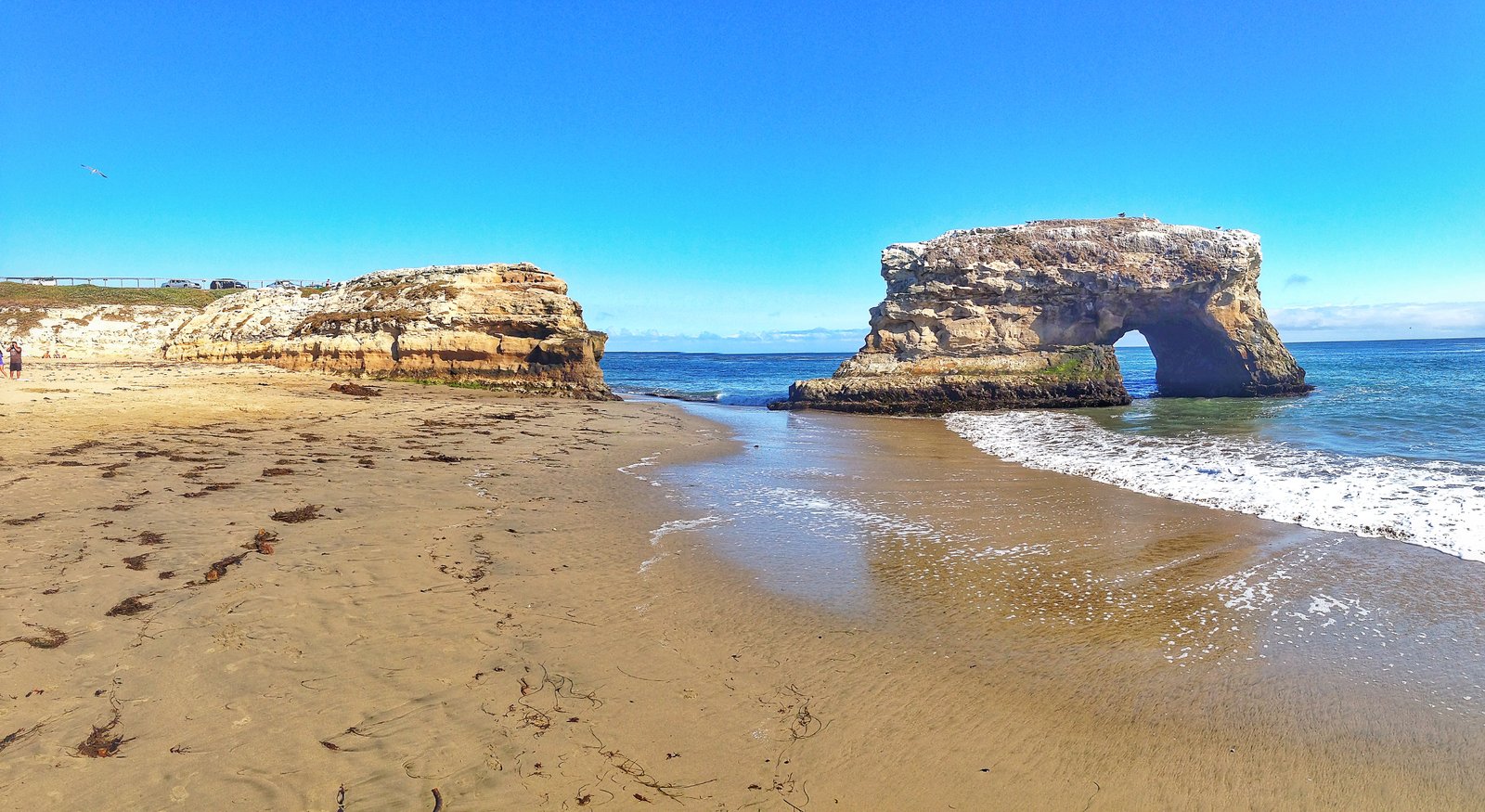
Santa Cruz is also home to amazing Natural Bridges State Park. See the million-year-old geological wonders, the mudstone bridges. Spend a day under the sun and explore the beach for tide pools with abundant sea life.
Natural Bridges State Park
Monterey
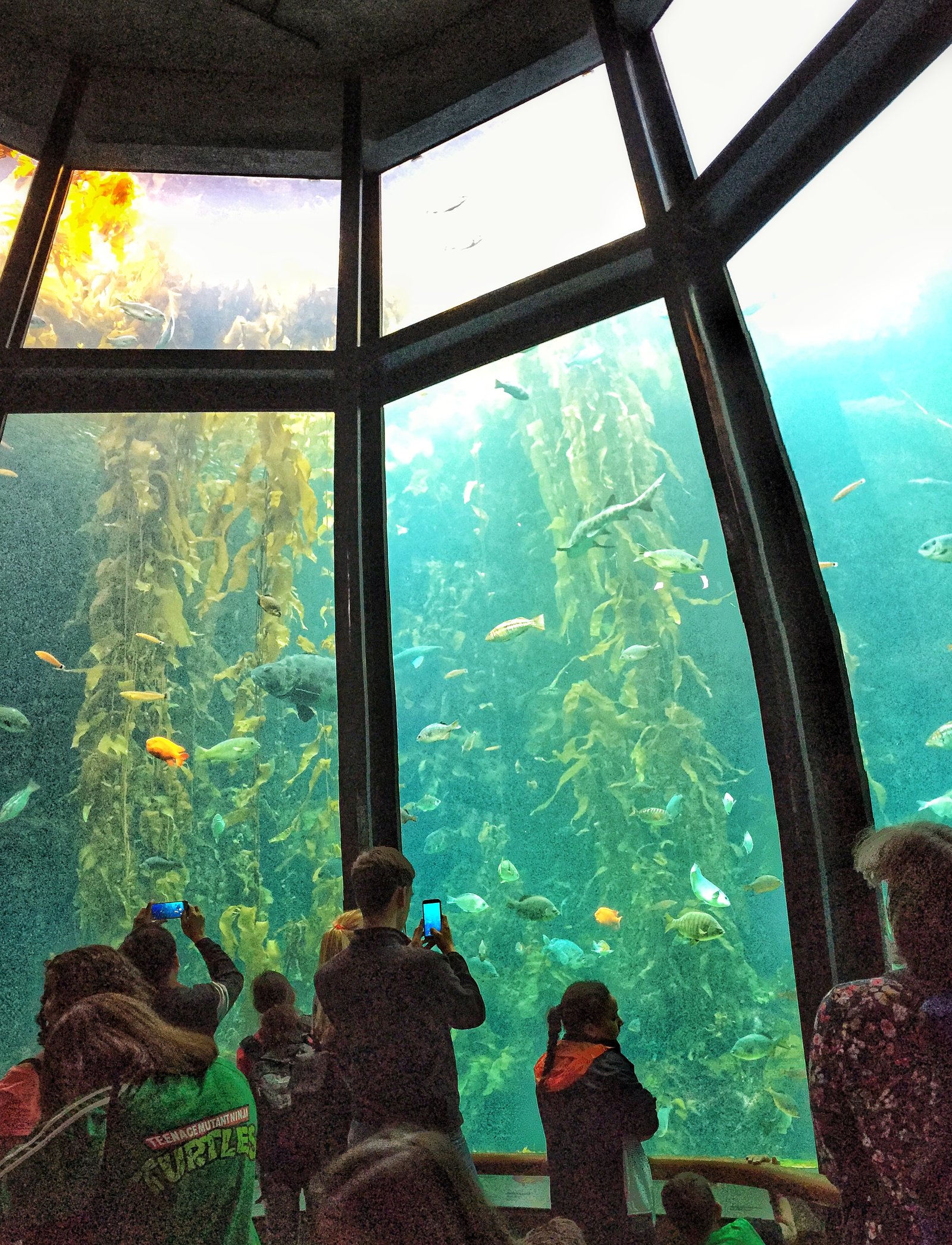
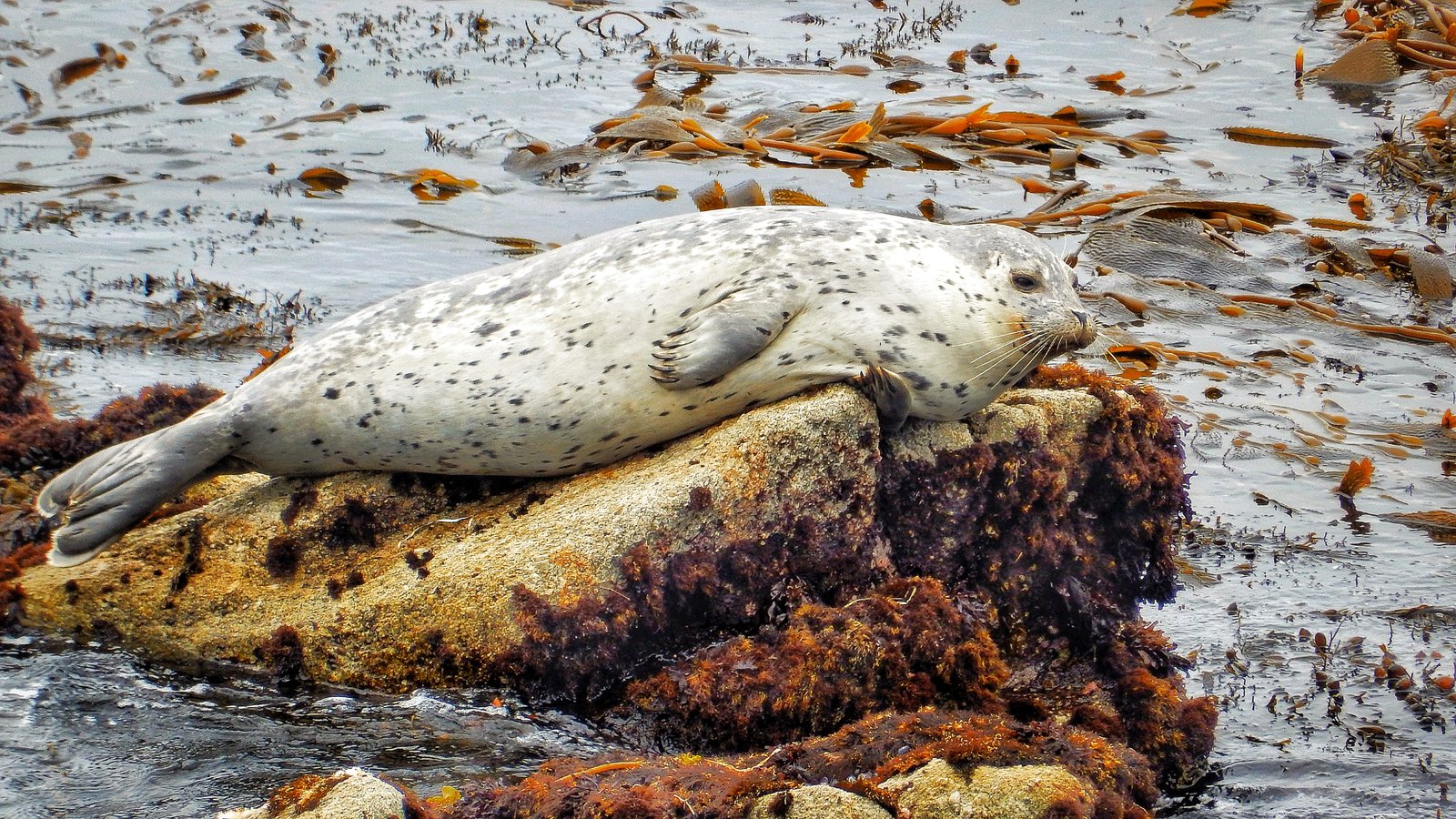
Just an hour south of Santa Cruz, along the scenic Pacific Coast Highway, you’ll discover the seaside town of Monterey. Visit historic Cannery Row and learn about the bygone era of the sardine packing industry. Adjacent to Cannery Row is the popular Monterey Bay Aquarium, one of my favorites! The aquarium is beautifully intimate, situated on the ocean, with huge floor to ceiling underwater window views of the natural sea kelp forest. There’s a raised boardwalk outside leading down to the water, where aquarium staff guide kids in wetsuits and snorkels in shallow water tide pool explorations. Advanced reservations are required. Nearby Pacific Grove is bicycle heaven. An oceanside pedestrian-bicycle-only paved pathway is a great way to watch a sunset. Maybe even observe a sea otter floating on its back riding the current, as I did.
(CLICK ON ANY PHOTO FOR SLIDE SHOW)
Point Lobos State Natural Reserve
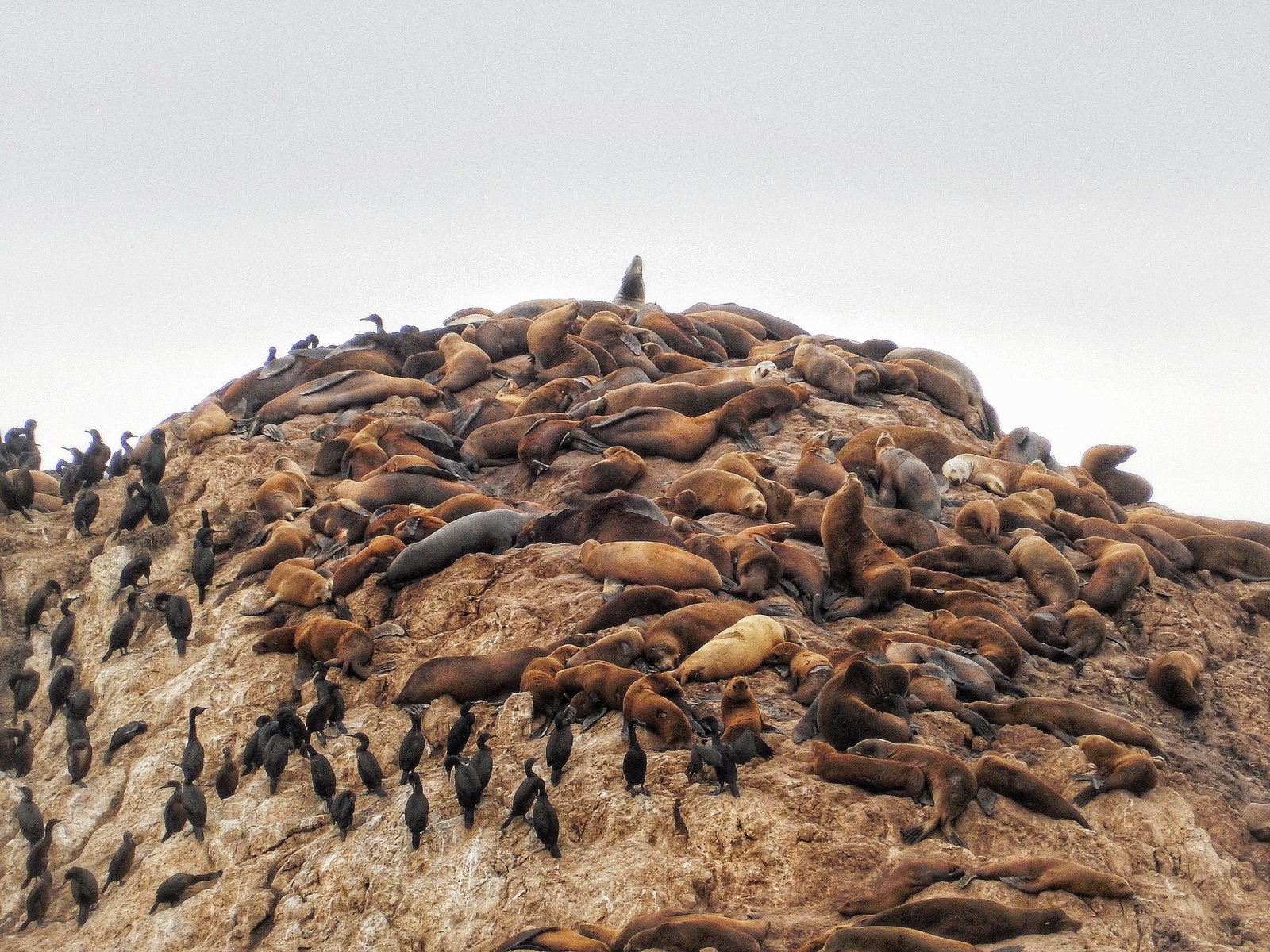
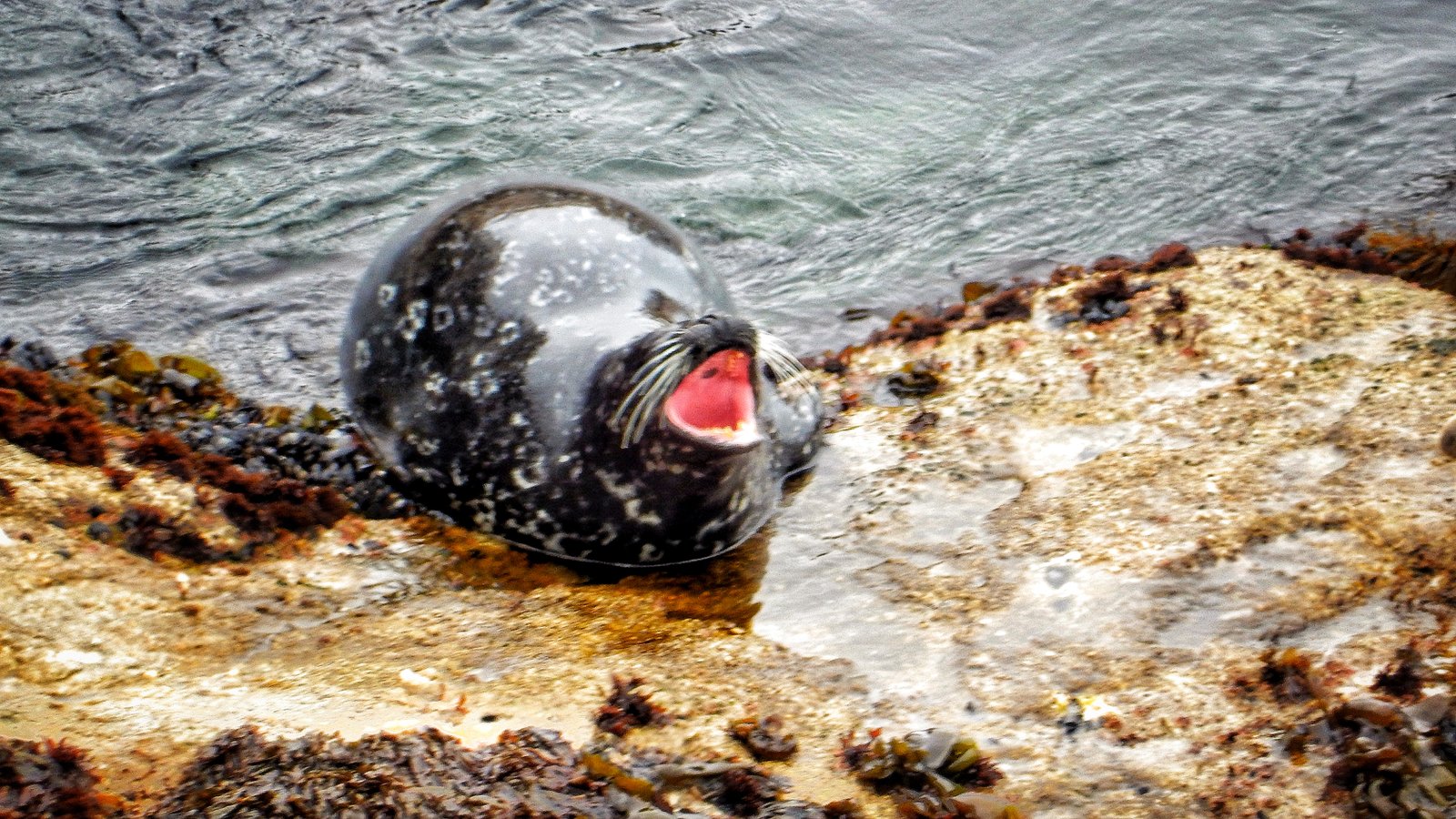
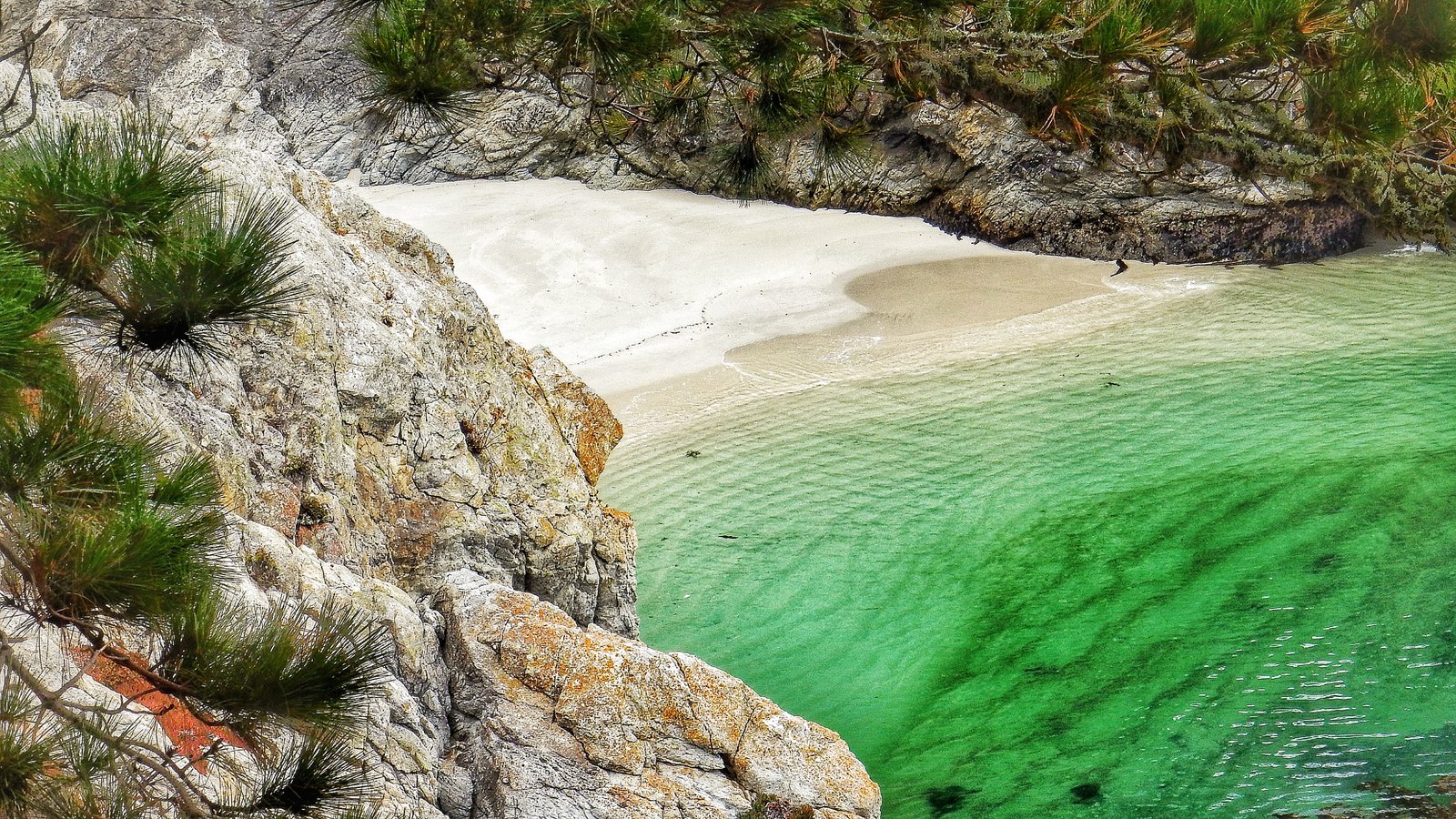
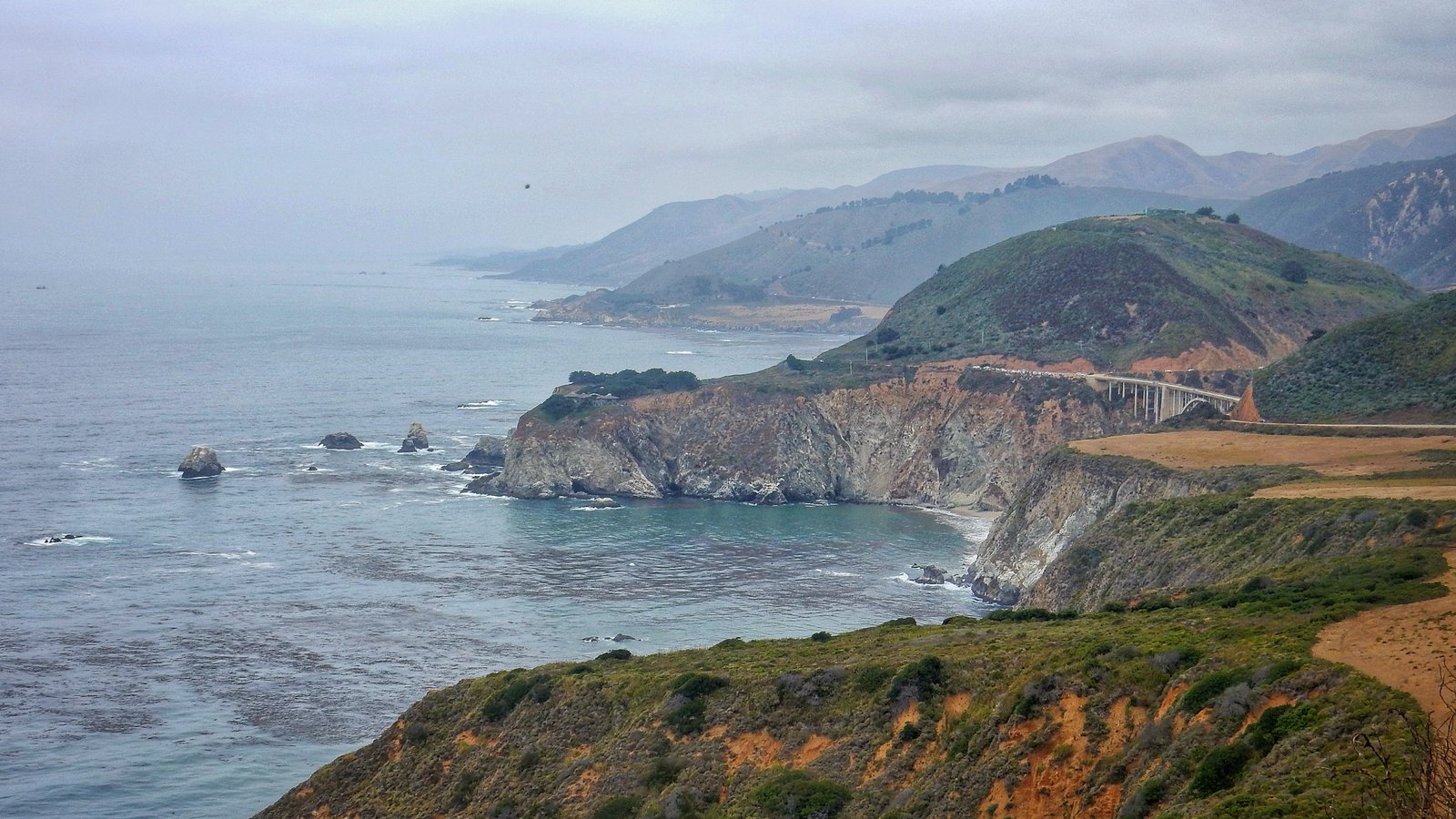
Continuing south on the Pacific Coast Highway toward Big Sur, stop at Point Lobos State Natural Reserve. Keep whatever camera you have with you at the ready. I can’t think of any piece of natural real estate with more photo ops: landscapes, plants and flowers, butterflies, and marine life. Make sure you bring binoculars, too. Nothing’s more entertaining than observing hundreds of sea lions barking, swimming, and frolicking on the off-shore rocks. Hike the Seal Lion Point trail to see them, or just follow your ears!
(CLICK ON ANY PHOTO FOR SLIDE SHOW)
Big Sur
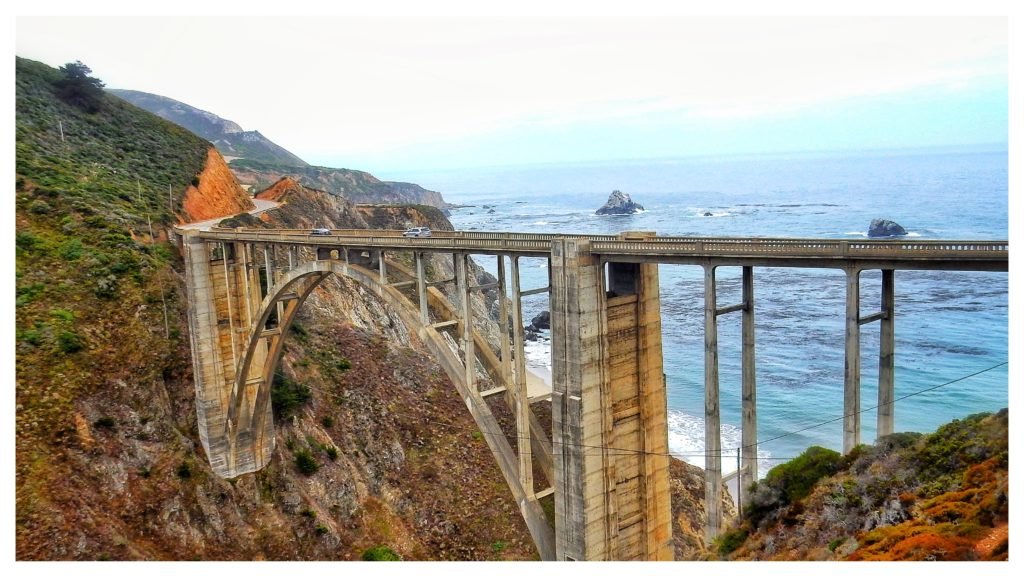
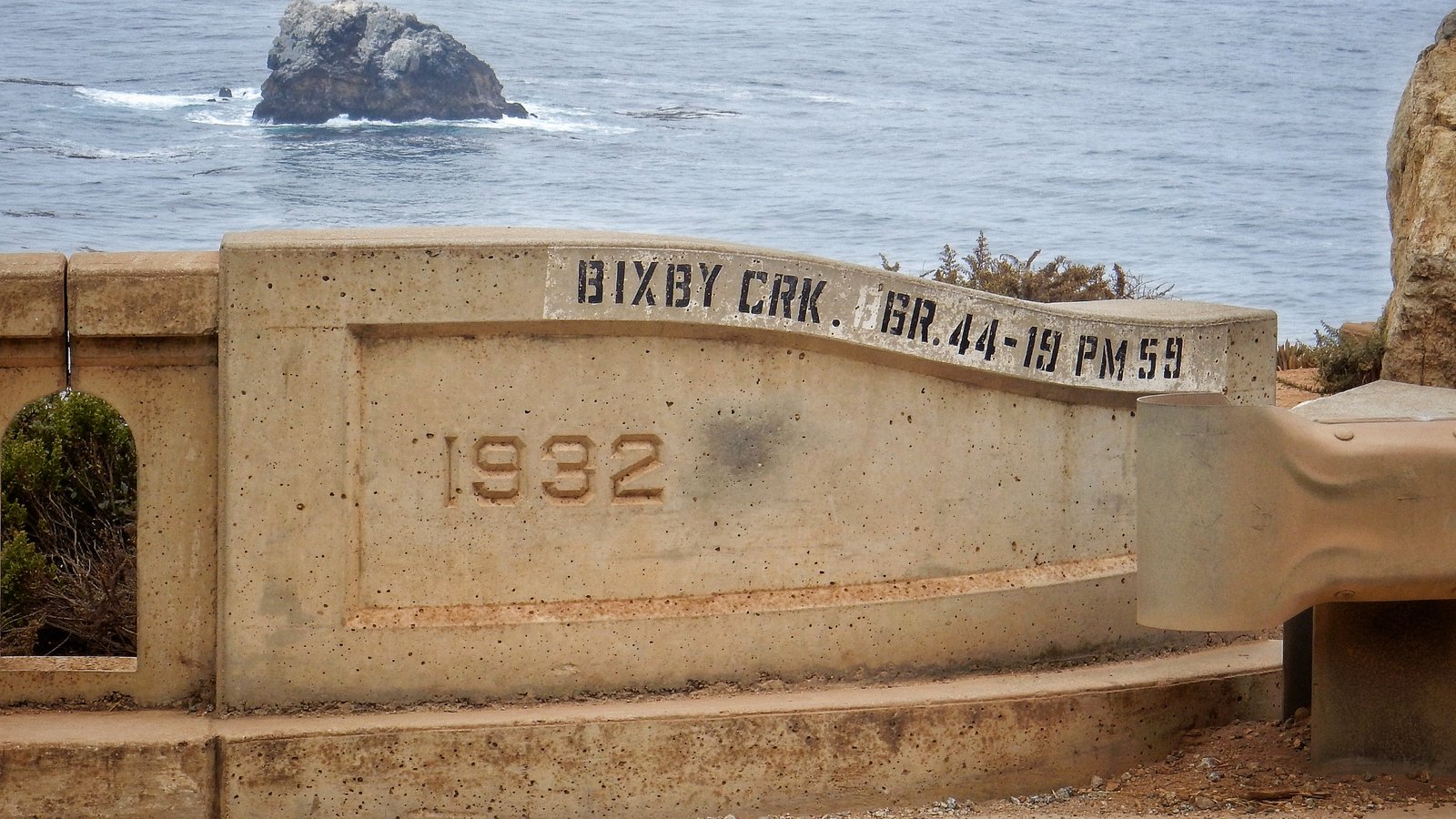
If you continue on to Big Sur, pull over just before you cross the Bixby Bridge. Bixby is one of the most photographed bridges in the world, especially for Hollywood movies, TV commercials, and even video games. Built in 1932 for $200,000, Bixby is also one of the tallest bridges in the world at 260 feet above its canyon floor. From here you get breathtaking views and photos.
Bixby Bridge
When you cross the bridge, stop and visit Andrew Molera State Park and learn what it was like to be an early pioneer rancher. The ranch house museum is a historic site with many preserved artifacts from the days when settlers first arrived along Big Sur and the California coast. Walk the beach or settle under one of the many driftwood huts dotting the shoreline.
(CLICK ON ANY PHOTO FOR SLIDE SHOW)
Yosemite National Park
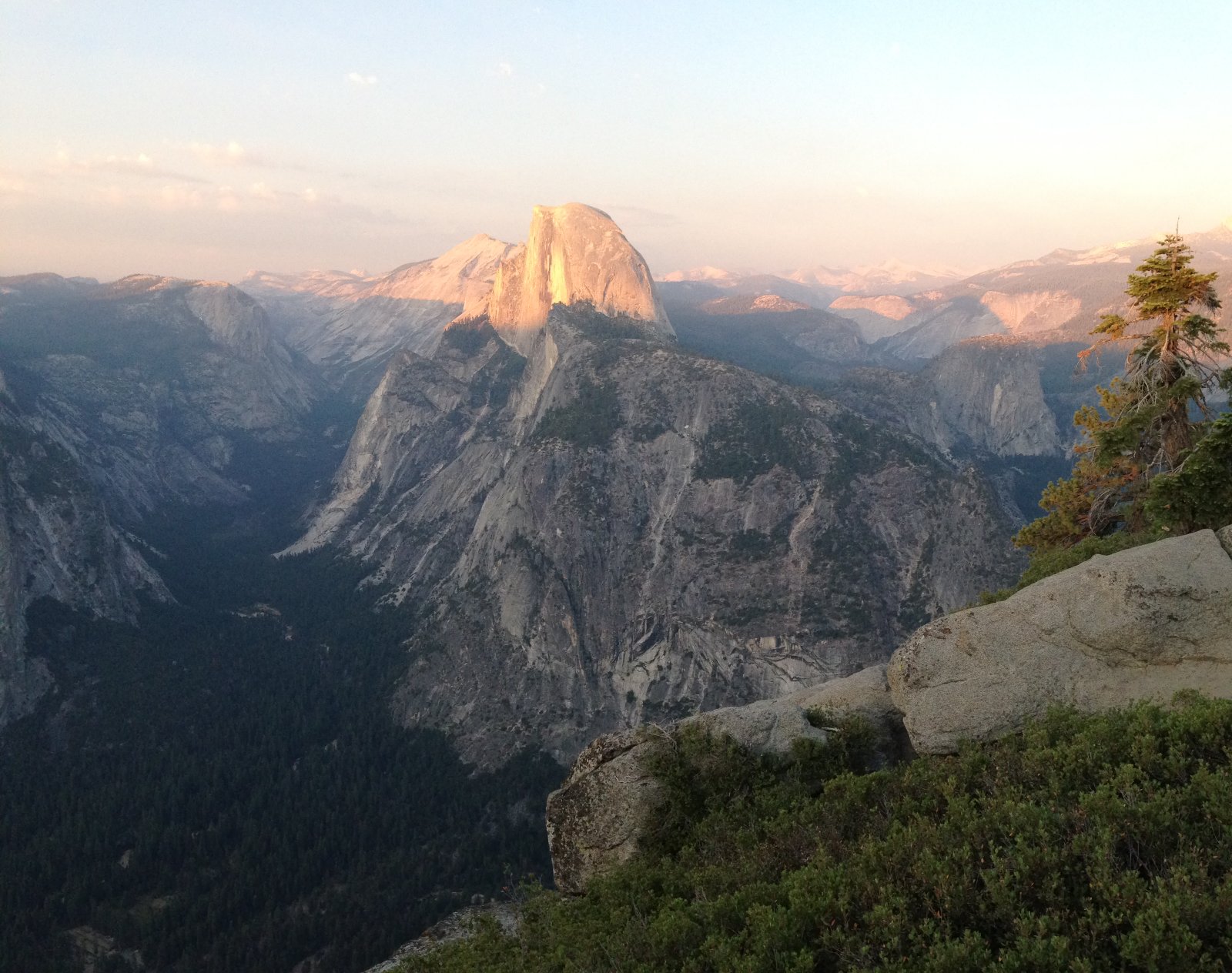
What I love about Northern California is you can drive from the beach and be in the mountains in just a few hours. In the heart of the Sierra Nevada Mountains is Yosemite National Park, a majestic treasure full of towering waterfalls, Giant Sequoias, and flowing meadows of wild flowers. Yosemite is a climber’s paradise, too. From the floor of Yosemite Valley, look skyward from the bases of magnificent Half Dome and El Capitan, two granite rock formations 3,000 feet and 5,000 feet tall, respectively. You’ll see climbers ascending to the top. Binoculars are a must. For a spectacular view of Yosemite Valley, Half Dome, and the mountains, drive your vehicle up to the Glacier Point Overlook. Sunset is a popular time to visit.
Glacier Point Overlook
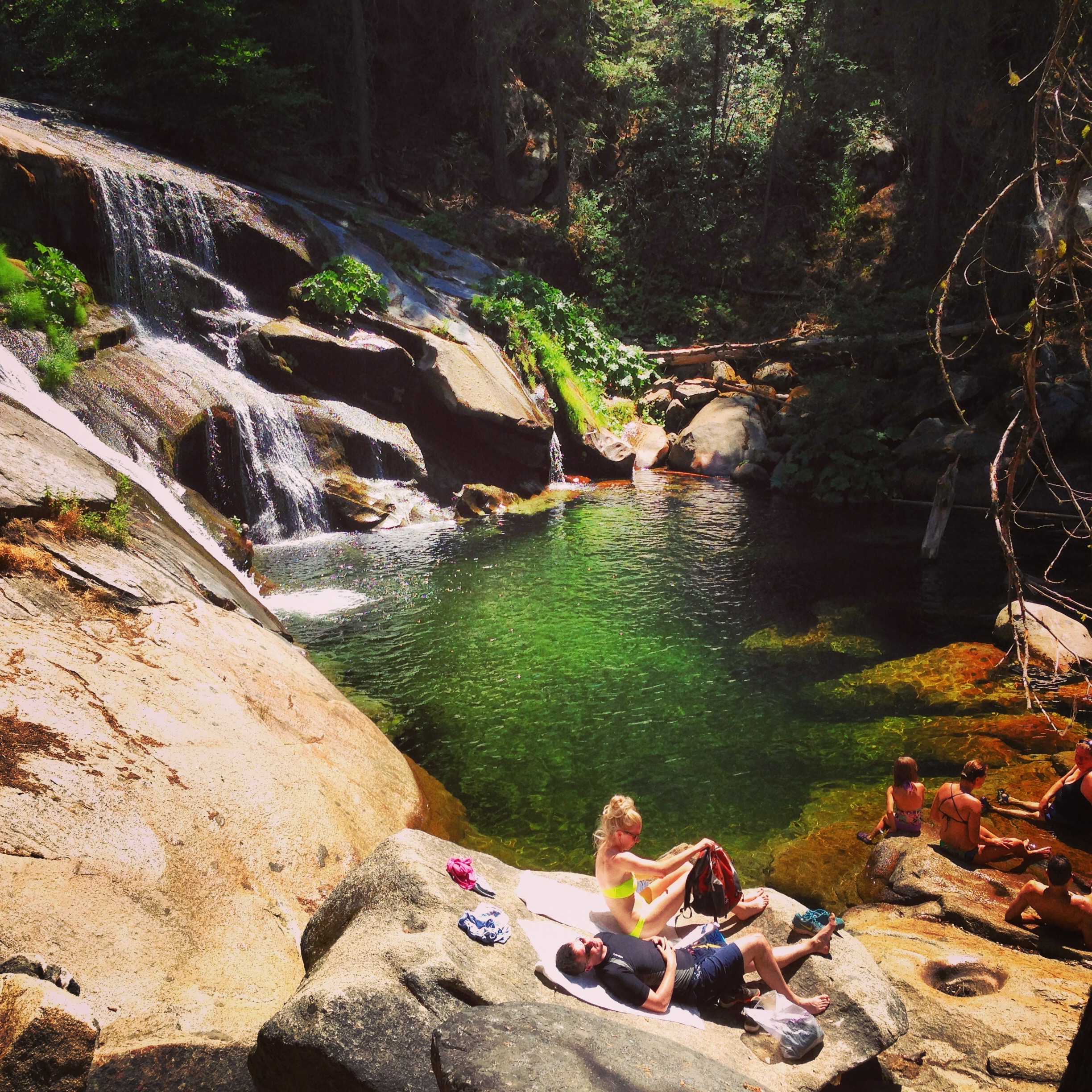
One of the best hikes in Yosemite is the relatively easy Carlon Falls Trail, something parents in reasonably good shape with adolescent and teenage kids can do. The 3.8 mile roundtrip trail through the forest leads to a natural swimming hole. It’s the coldest water I ever jumped into, but the most refreshing experience ever on a hot summer’s day. Stepping on wet rocks can be a bit slippery, so walk cautiously into the water. Swimmers often climb to the waterfall’s top and jump in feet first or do cannonballs. Diving is not recommended and no lifeguards are on duty.
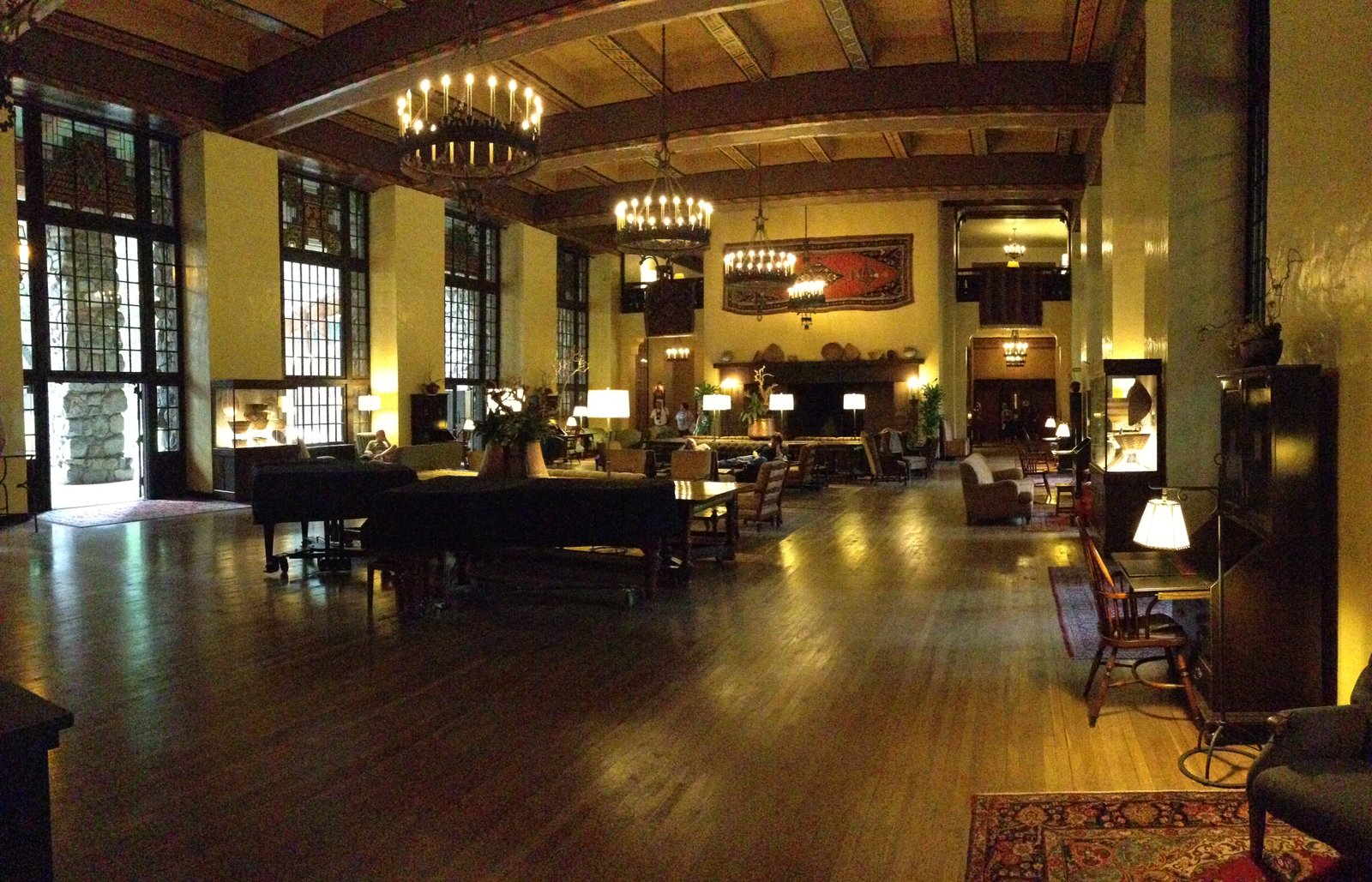
No visit to Yosemite is complete without visiting the Ahwahnee, the grand lodge and National Historic Landmark in Yosemite Valley. The Ahwahnee opened in 1864 and is known for its grand architecture. The social gathering rooms are massive, as are the stone fireplaces. The restaurant has large wraparound picture windows that overlook nature and spectacular Yosemite Falls. The food is delightful as well.
(CLICK ON ANY PHOTO FOR SLIDE SHOW)
Point Reyes National Seashore
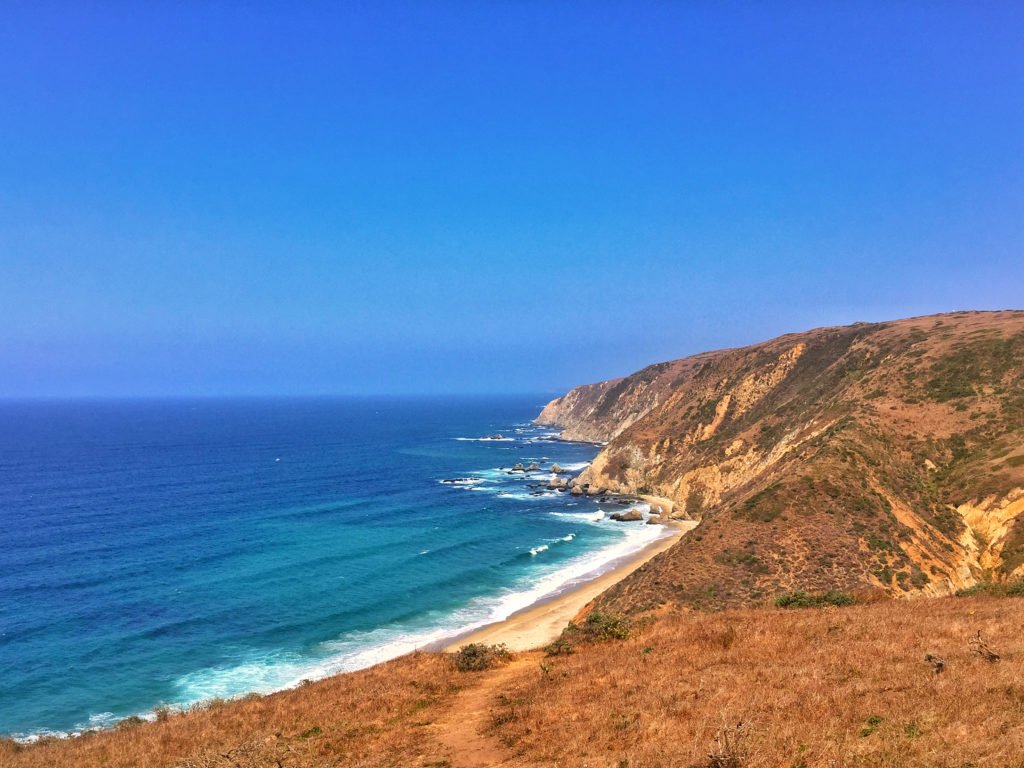
A five hour drive northwest of Yosemite brings you back to the coast and Point Reyes National Seashore, another one of my favorite places in Northern California.
Point Reyes National Seashore
If you feel the earth move under your feet, as songwriter Carole King would say, it’s because the San Andreas Earthquake Fault runs through the Point Reyes peninsula. Walk the Earthquake Trail and discover the geology of this unique space. Explore the paved loop lined with signs describing the impact of earthquakes. You’ll see how the land has changed and what caused the devastating 1906 San Francisco earthquake.
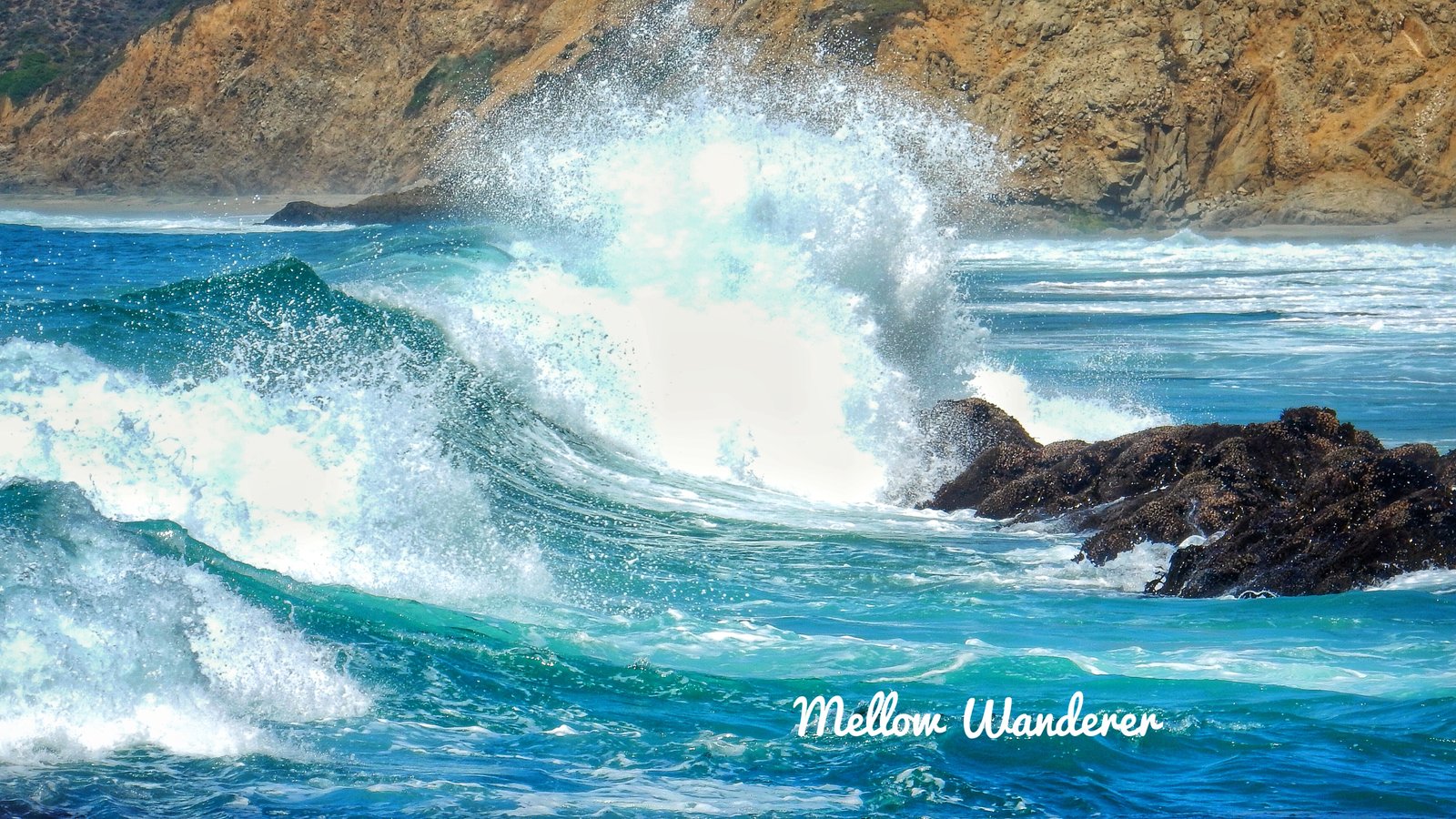
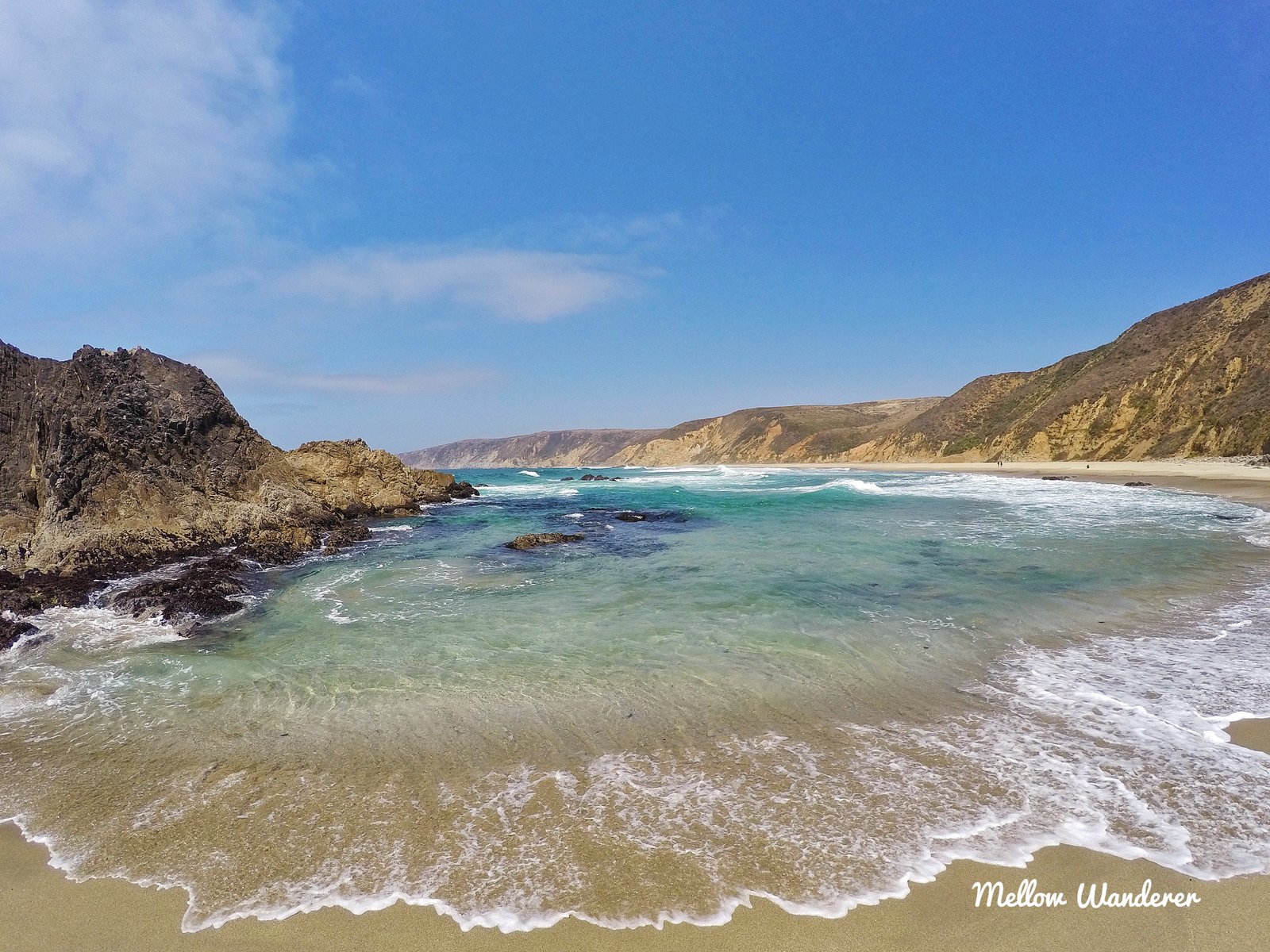
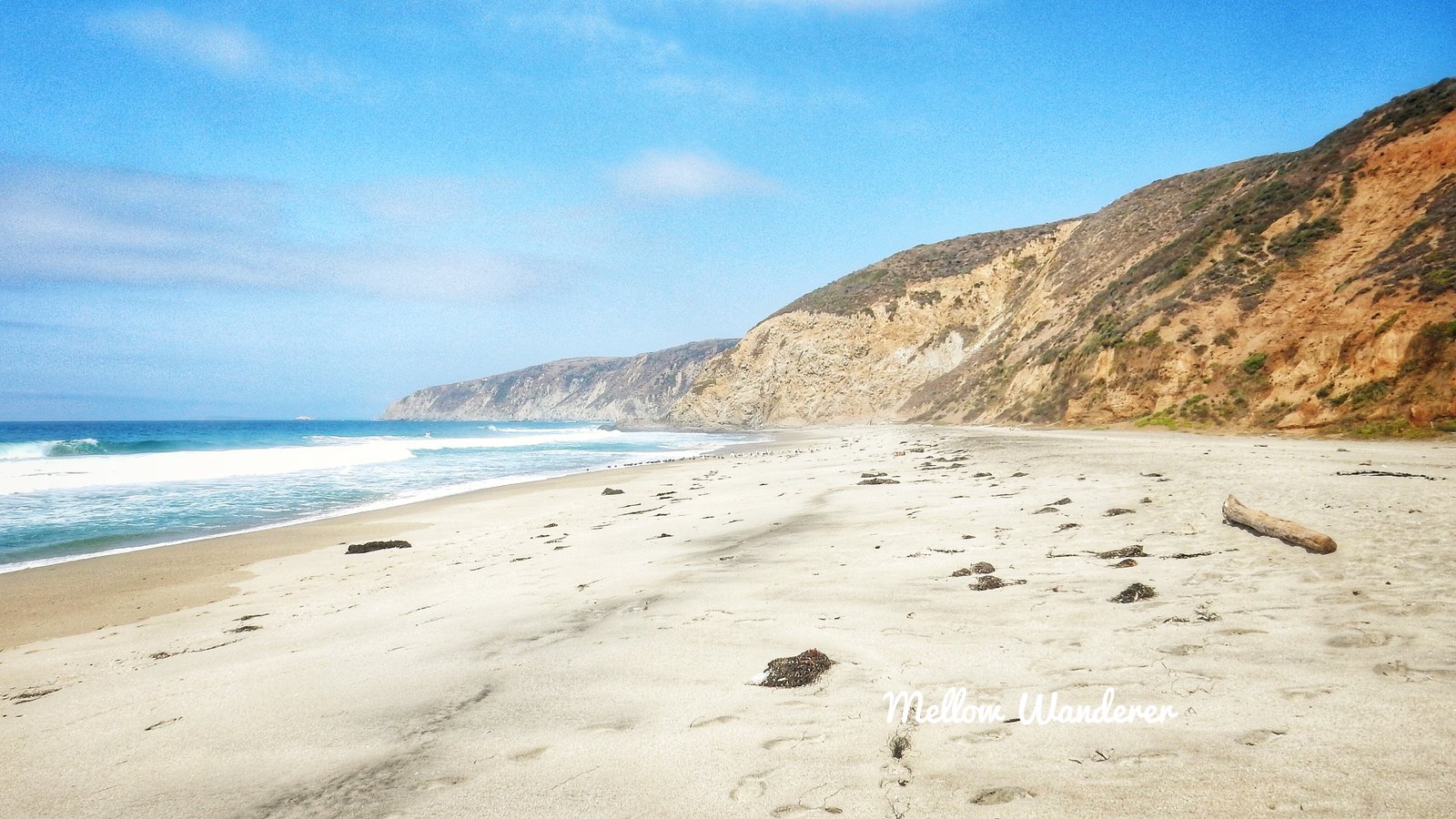
Point Reyes has 80 miles of shoreline with beach access. McClures Beach is one of those isolated special beaches. It’s below a towering cliff. You have to hike down to get there, but well worth the effort. Just make sure you have the proper footwear. Flip flops will be a problem. Once you’re on the beach, you feel a sense of seclusion, just you and the massive waves crashing against the rocks.
(CLICK ON ANY PHOTO FOR SLIDE SHOW)
Just above McClures Beach is the Tomales Point Trail. Hike the trail for dazzling views of the Pacific Ocean on one side and Tomales Bay on the other. The hike is popular for visitors who want to see Tule Elk. Mid-summer is a great time for elk activity, as the males spar to gain the affections of females for mating season. The sound of males bugling is distinct and loud.
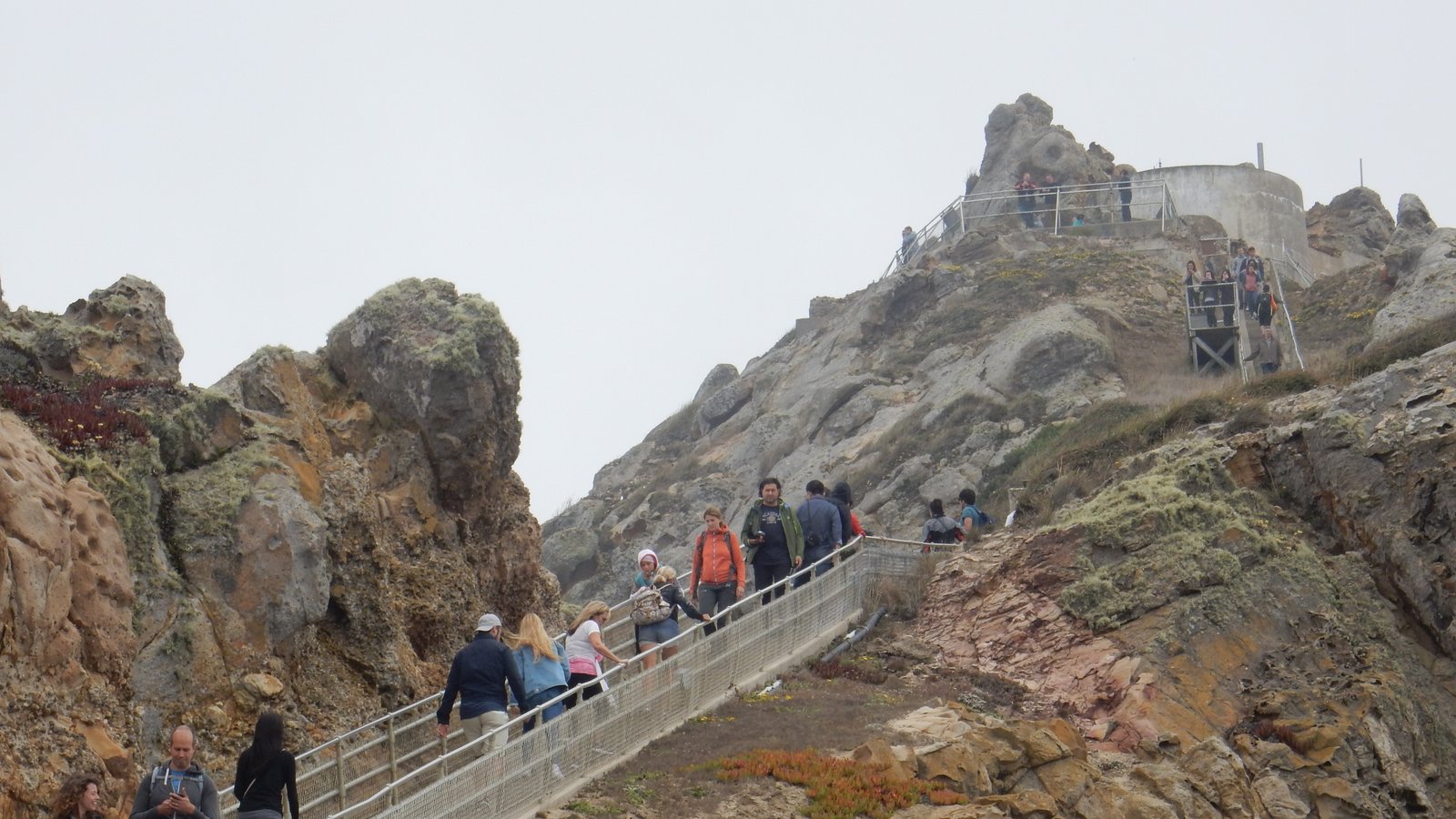
Visit the Point Reyes Lighthouse and go back in time to the early days of seafaring. The historic lighthouse stood as a sentinel on the Point for over 100 years, beginning in 1870 and ending in 1975, when it was retired by the Coast Guard. Be prepared for a long walk down and a steep walk back up. Take advantage of the pullouts along the way to stop and rest, especially on the way up. The weather out there can be harsh, with stiff wind and dense fog, even during summer.
(CLICK ON ANY PHOTO FOR SLIDE SHOW)
So get the car, van, or recreational vehicle ready for an incredible journey to the Golden State. Make lasting family memories that will keep you California Dreamin’ forever.