Category: NATIONAL PARKS

Wandering America’s National Parks

  • Point Reyes National Seashore Is On Shaky Ground In Northern California

    Point Reyes National Seashore Is On Shaky Ground In Northern California

    NPS Photo

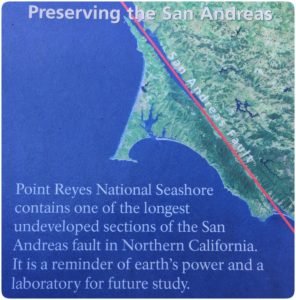
    One of America’s most natural wonders sits directly in the path of one of the world’s most well-known earthquake zones: the San Andreas Fault. Point Reyes National Seashore has spectacular beauty, abundant flora and fauna, and magnificent coastal cliffs. Yet the ground under it all is constantly on the move.

    Earthquake Trail San Andreas Fault Marker

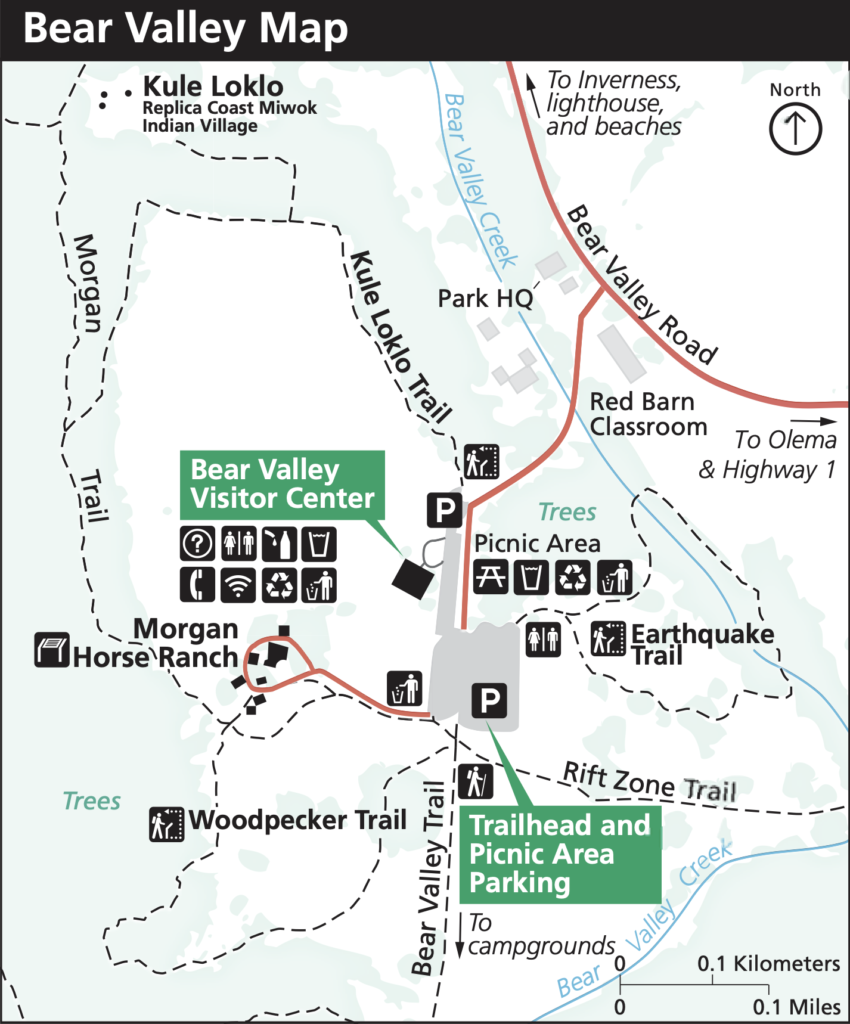
    The San Andreas Fault is the tectonic plate boundary between the Pacific Plate and the North American Plate. That plate boundary slowly moves an inch-and-a-half to two inches a year — about the same speed a fingernail grows. The last time stress between the two plates built-up and slipped was 1906, which caused the Great San Francisco Earthquake. The quake remains the worst natural disaster in California’s history. More than 3,000 people died and over 80% of San Francisco was destroyed. The San Andreas Fault is approximately 750-miles long and runs through most of California. At Point Reyes National Seashore, you can hike the Earthquake Trail, an easy paved loop around the fault zone. The trail is less than a mile and has signs posted with information about the fault line’s history and impact on the local landscape. Earthquake Trail is just a short walk from the Bear Valley Visitor Center.
    Tomales Point Trail

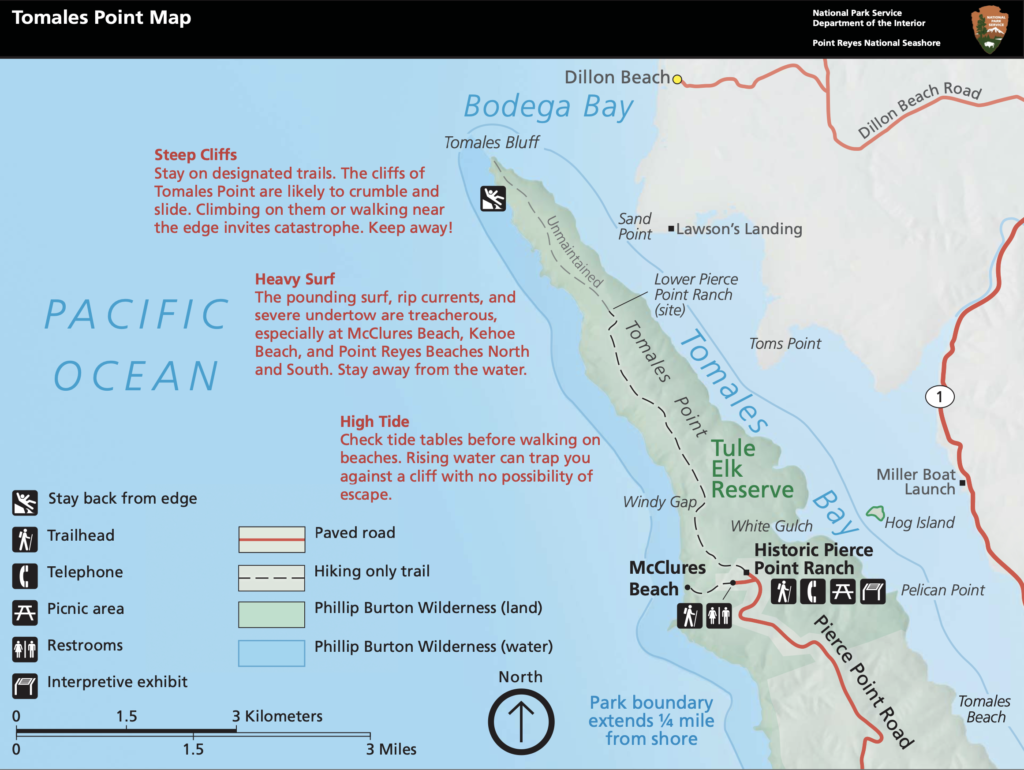
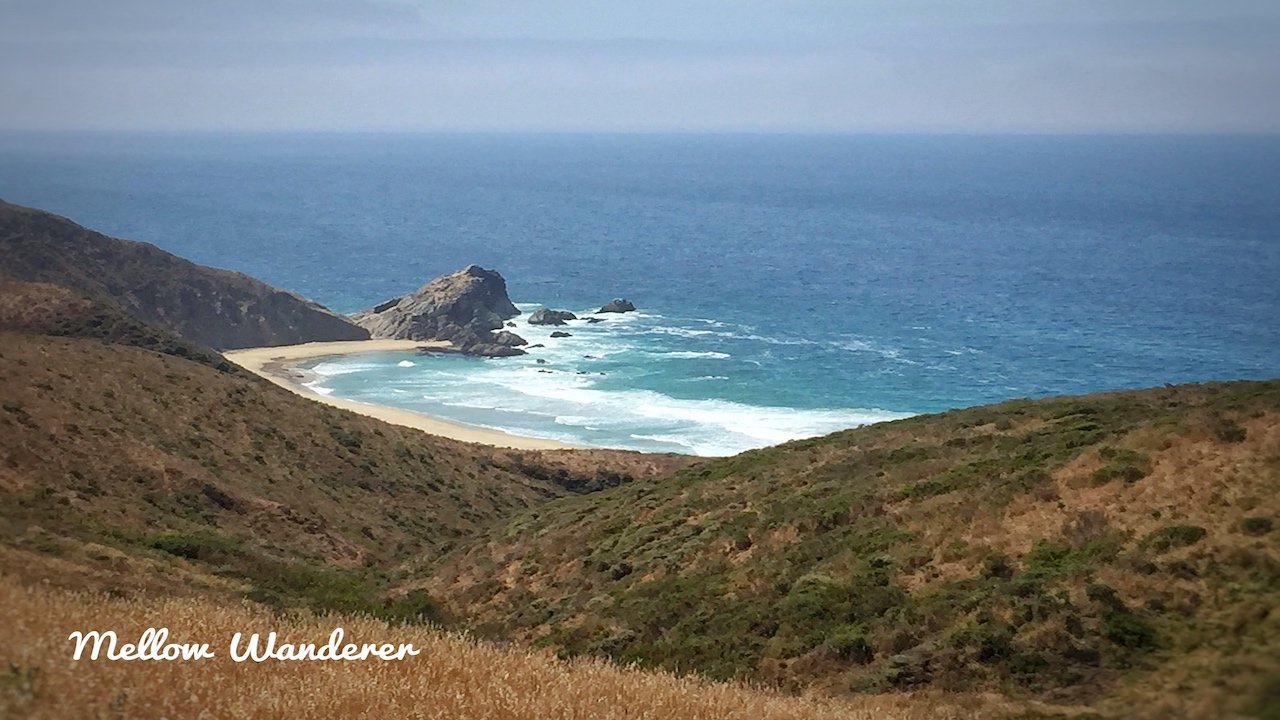
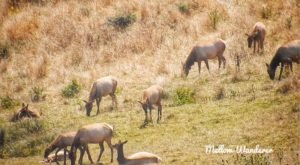
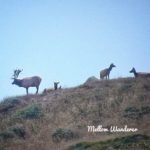
    The Tomales Point Trail parallels the fault line. While hiking Tomales, you’ll likely be awestruck by the stunning scenery along the peninsula. On one side is Tomales Bay; the other is the Pacific Ocean. The one-way trail is approximately nine miles roundtrip, but you don’t have to hike all the way out to Tomales Point, where the trail becomes more rugged. There’s only a slight elevation during the first several miles. Stop and admire the wildflowers, especially in spring and summer when they are in full bloom. Along the way, you’ll probably see a herd of free-range Tule Elk. The herd grazes near the trail, but hikers are advised not to approach or disturb them. It’s best to stay on the trail the entire time. Tule Elk are only found in California. Tomales Point is a 2,600-acre reserve for the Tule Elk to roam. About half the herd is less than five years old. The best time to view elk is between August and October during mating season. You can often hear bull elk bugling from the top of the hills as they round-up females. Bring binoculars and a camera with a telephoto lens for great close-up views and pictures.
    McClures Beach

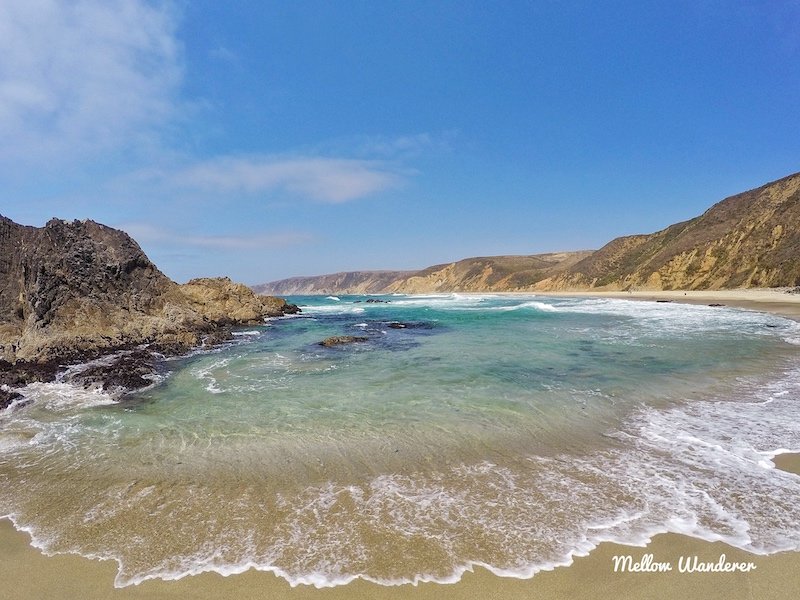
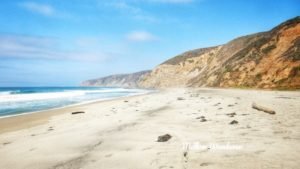
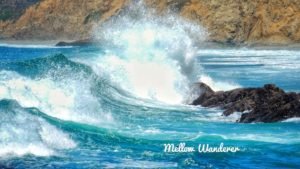
    From the same Pierce Point Road parking lot where you enter the Tomales Point Trailhead, you will find another hiking trail descending to remote McClures Beach, a small cove hugged by towering rocky cliffs. The hike is about a half-mile and follows a meandering creek down to the beach. Walking along the water’s edge is peaceful, refreshing, and mostly isolated. You can explore tidepools, or just sit on the beach and drink in the fabulous views. If you go for a swim, beware of rip currents and sneaker waves. A sneaker wave happens suddenly and is higher, stronger, and extends farther onto the beach than a normal wave. There are no lifeguard stations. The surf here is alluring, but intense, so stay alert. Also, be cautious of the cliffs and bluffs while on the beach. They can be unstable since they’re formed of soft rock and are vulnerable to landslides and rockfalls. You certainly don’t want to setup a beach camp next to the cliffs. Save enough energy at the end of your beach day for the half-mile ascend on the trail back to the parking lot. (Click the video below for scenic views of McClures Beach and the Tomales Point Trail)
     

    Chimney Rock

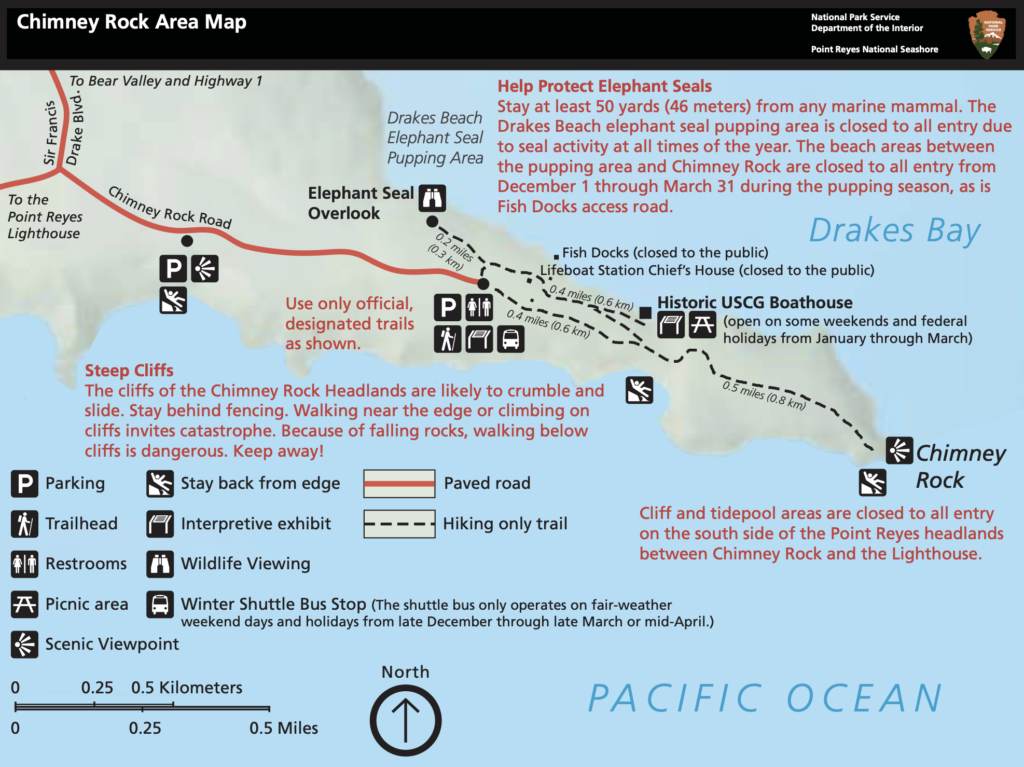
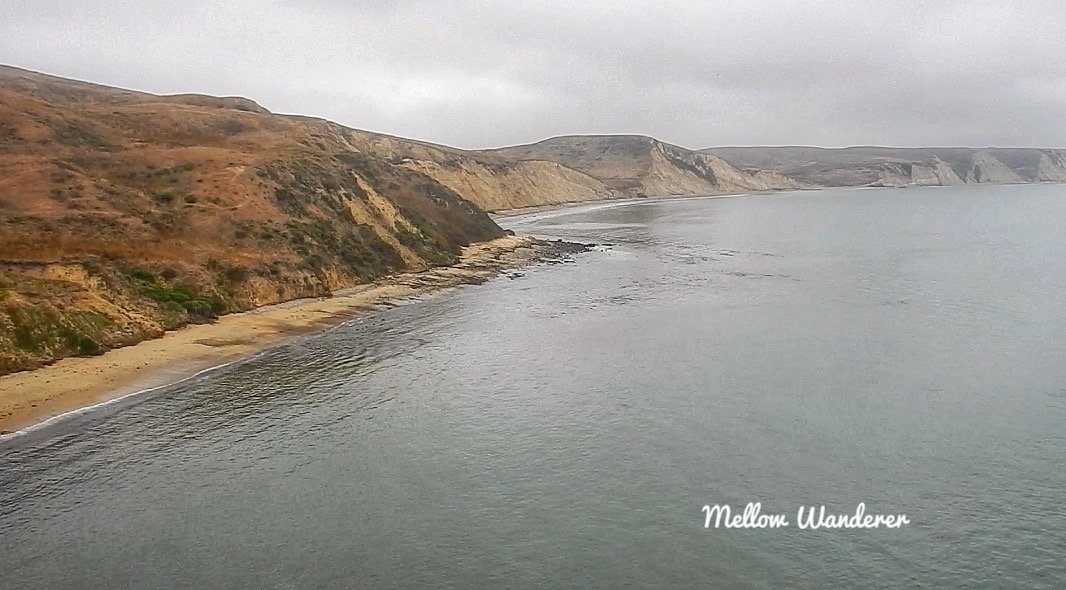
    Another popular trail is Chimney Rock, where Drakes Bay and the Pacific Ocean meet. This is a relatively easy hike of less than two miles. Keep a lookout for gray whales, as the waters here are popular migration routes and feeding grounds.
    Elephant Seals

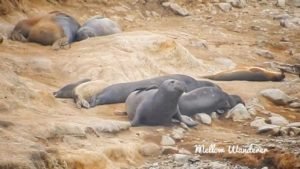
    Take the trail to the Elephant Seal Overlook. These incredible sea mammals almost became extinct at the turn of the 20th century due to overharvesting. Back then, their blubber was a popular source of fuel. Once protections took hold, elephant seals returned to Point Reyes in the 1970s. The population bounced back in a big way. There are now over 3,000 elephant seals at Point Reyes National Seashore. Chimney Rock is an excellent viewing area.

    Map Your Journey

    (Click The Title Below Each Map For A Full Screen View)
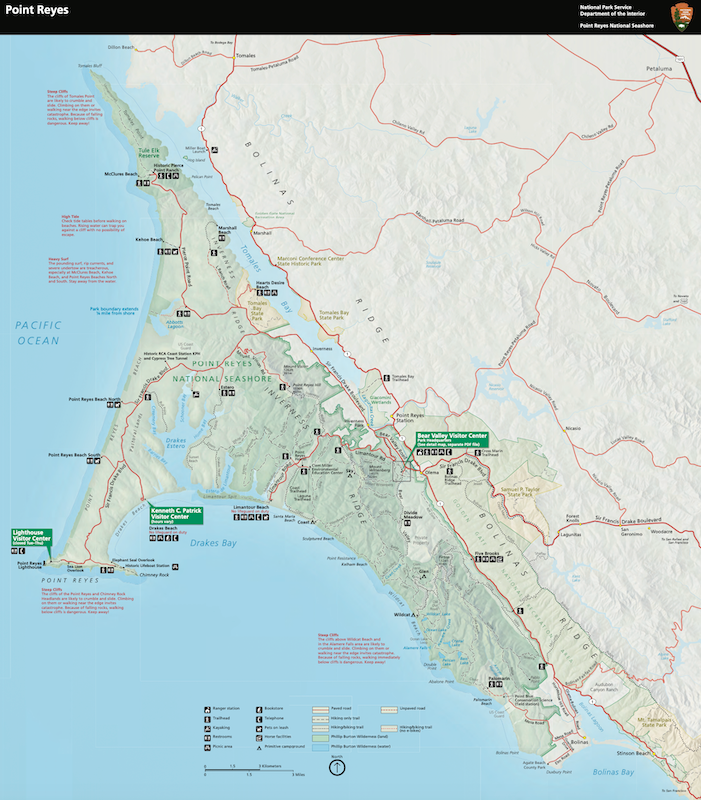
    Point Reyes National Seashore
    Earthquake Trail
    Tomales Point
    Chimney Rock/Elephant Seal Overlook


  • Acadia Memories: From Heavenly Forests To Wild Ocean

    Acadia Memories: From Heavenly Forests To Wild Ocean

    In spring, my thoughts turn to Acadia National Park. This is the time of year when the weather improves in Maine and visitors start to gather in this glorious national park. Mount Desert Island teems with activity, on land and in water. Plants burst with blooms. Schooners launch in a kaleidoscope of sails. Yet, in our present reality of the new coronavirus and its insidious COVID-19 disease, social distancing is now our norm. Travel to Acadia, or any other national park, is on indefinite hold. The entire national park system is closed; although Acadia is different from many of the rest since around 10,000 residents live year round in the designated park area . Still, access for them is limited, too, as the traditional popular areas are closed.

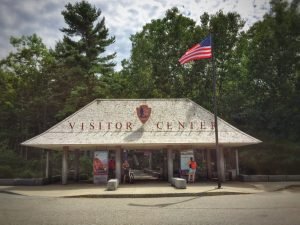
    So, as I stay home, my mind drifts like a cool gentle Maine breeze to those extraordinary moments of our first Acadia summer visit several years ago. My wife and I arrive around dusk at our humble well-kept cabin on Duck Cove near remote Southwest Harbor, the so-called quiet mostly residential side of the island. A painted sky of brilliant hues greets us. At that moment, I realize this place is special. In the early morning around five, the sun shoots through the window shades. There’s the murmur of a trolling lobster boat with its gentle wake lapping the shoreline. We’re up early every day to pack as much in to our five-day stay as we can. After cabin breakfasts of mostly cereal, bananas, or maybe a couple eggs, toast or some yogurt, we hit the road to the popular areas of Acadia. On the way each day, we stop at a local grocery store to pick up a picnic lunch to put in our cooler, along with a regional soft drink such as Old Soaker, a popular blueberry soda pop.  You cannot experience everything Acadia has to offer in just five days. Never was our goal. The park is just too large. We love to hike, explore, and be on or next to water. We prepared before our trip by doing research on the NPS website and various local Acadia related websites. Our first stop on day one is the Acadia National Park Visitor Center. This gives us a good orientation of the overall park, provides an opportunity to speak to a ranger to get some insight and perspective where the crowds might be large or small, unexpected road construction and traffic delays (always ongoing in spring and summer), and some personal hidden gems not always referenced in guidebooks and online brochures.

    Here are some favorite moments from our trip:

    Great Head Trail Hike

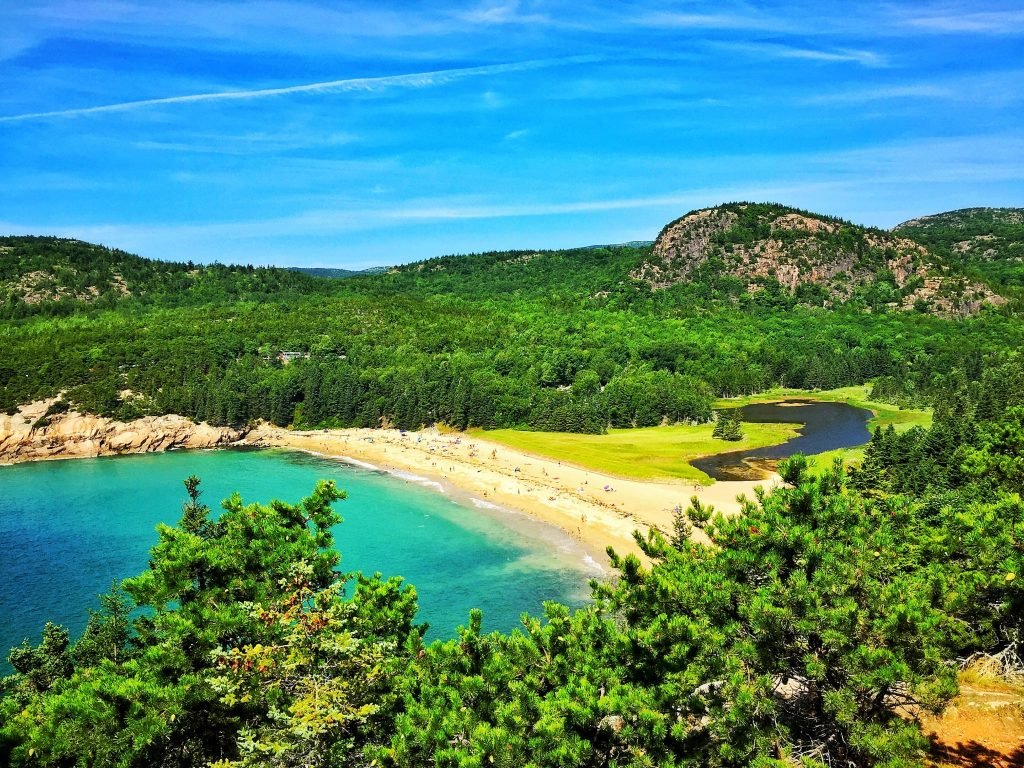
    One of the best moderate hikes in Acadia. It’s also one of the shortest hikes by Acadia standards, and calling it moderate is generous. This trail will get your heart pumping as you ascend a granite slope. There are multiple entry points. We chose Sand Beach. Be sure to watch your footing to prevent tripping over exposed tree roots and rocks. There is some minor climbing involved, so you have to be in reasonably good shape. In the end, it’s well worth the effort. You will enjoy some breathtaking views of the coastline, especially the one looking down on Sand Beach.

    SAND BEACH

    Jordan Pond

    This is a delightful early afternoon hike around the perimeter of a gorgeous large body of water. The pond trail starts at Jordan House, a historic property known for its waterfront views, outdoor café and restaurant serving up the best popovers on the planet. The loop trail is less than a mile and is in the easy to moderate range. Along the way, you’ll travel across a narrow boardwalk, so navigate with caution. Take a moment to pause, lookout over the pond, and take in the scenery. The surrounding landscape is spectacular. If you’re lucky, you might discover a family of loons , as we did.

    Ocean Path

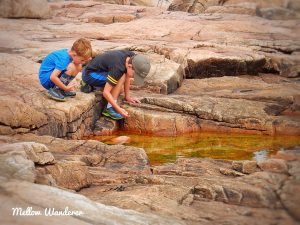
    Our favorite respite spot to have a shaded picnic. This mostly dirt path is flat and parallels Park Loop Road and the Atlantic Ocean. Spread a blanket at Otter Point and enjoy lunch under a tree. Waves crash against the rocky shoreline, and sail boats pass by. Afterwards, hike the path a bit and wander out onto the rocky shoreline to discover a tide pool or two.

    Bass Harbor Head Light

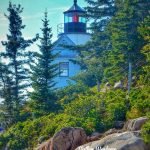
    The only lighthouse in Acadia is far from the busy areas of the park. It is in the town of Tremont, located in the quiet area of Mount Desert Island and close to our cabin. This is one of the most photographed lighthouses in America. It makes for dramatic shots because Bass Harbor sits right on the edge of a cliff. A path leads down to the rocky shoreline. You’ll need to wear stable footwear and be cautious as you walk. You won’t be able to tour the inside of the lighthouse since it is closed to the public. However, there are information displays along the path describing Bass Harbor’s history and significance to maritime and commerce.

    Thuya Garden

    A great way to spend a morning in Acadia. Thuya Garden is more than 100 years old and has a unique garden layout featuring a variety of spring and summer blooms. The cool thing is there’s a parking area on a lower level and you can ascend a shaded path up to the gardens. At various locations on the way up, there are lookouts to take in the scenery of the woods and Seal Harbor. The gardens are magnificent and each has a theme. You can also tour Thuya Lodge for a glimpse of life in the early 1900s.

    Cadillac Mountain

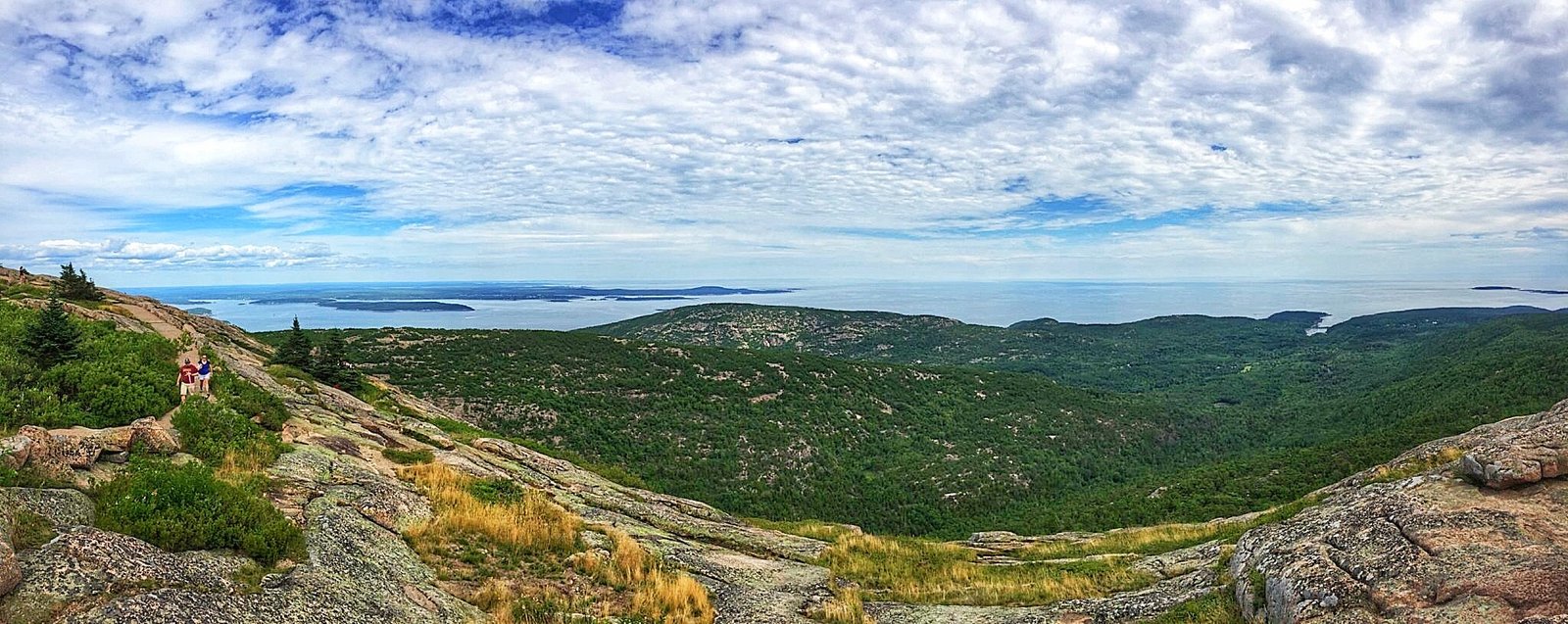
    Most everyone who visits Acadia winds up at Cadillac Mountain. No matter the time of day, you are sure to have traffic congestion and might have to circle a few times to get a parking spot. In summer, early risers flock to see the sunrise, the first in the United States. We visited in the late afternoon, and it is a wonderful spot to get a panoramic view of the landscape from high up.

    Margaret Todd Windjammer Cruise

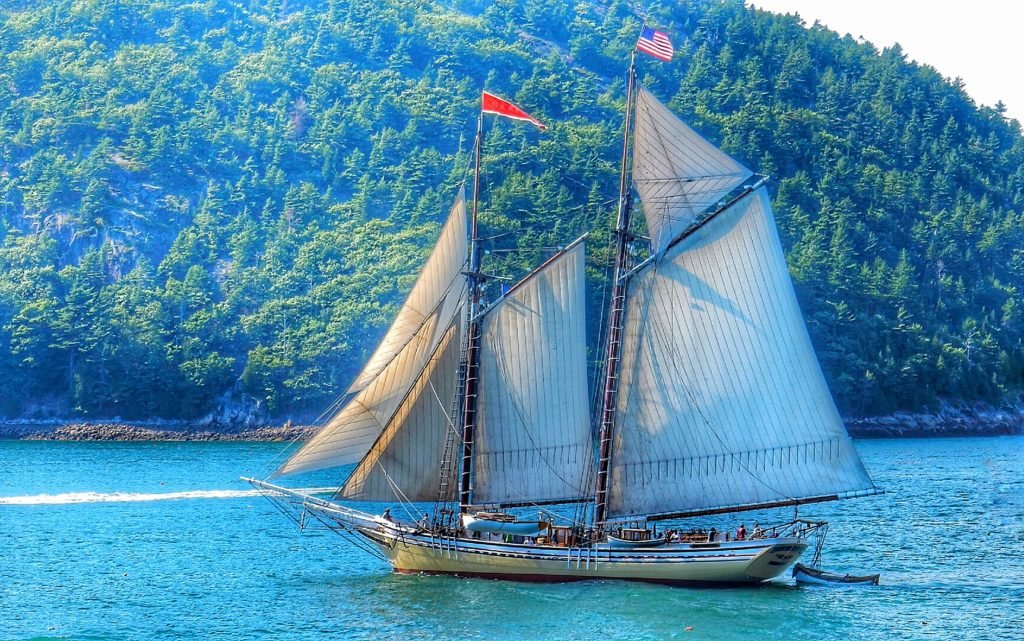
    Sure, it’s touristy. But after all, we are tourists. It is a quick and easy way to get out on the water and cruise the islands while experiencing a windjammer up close. The schooner launches from Bar Harbor with several daily departures. You spend about ninety minutes touring the area while a park ranger describes various land features, wildlife, and local history. The crew is entertaining to watch as they work as a team raising and lowering the sails. Not a bad deal for under $100 for two. Play the video for a quick tour of our time aboard the Margaret Todd.

    Thurston’s Lobster Pound

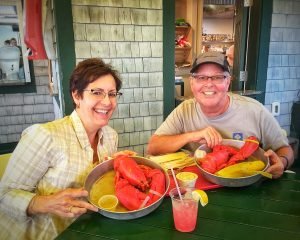
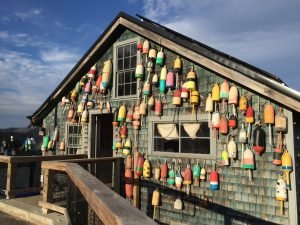
    When in Maine, how can you not eat lobster? It’s a staple on virtually all restaurant menus.  This is a local gem in the Acadia town of Bernard. It is one of the prettiest harbor towns you will see, especially during the “golden hour” of sunset. Expect to take a spot in line to be seated, as this is a popular place at dinner time. You order at the front counter, take a number, and wait to be called to pick up your food. The atmosphere is seashore rustic and a lot of fun.

    Prepare for Your Journey

    If it is not already, Acadia National Park should be on your bucket list. Here are some links you might find useful:

    Acadia National Park

    Plan Your Visit

    Things To Do

    Basic Information

    Hiking

    Contact The Park

    Fees And Passes

  • Majestic Windjammer Parade Celebrates A National Treasure

    Majestic Windjammer Parade Celebrates A National Treasure

    IMG_7658

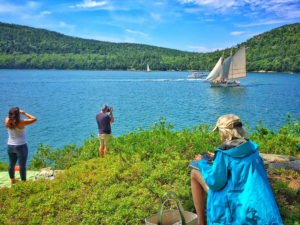
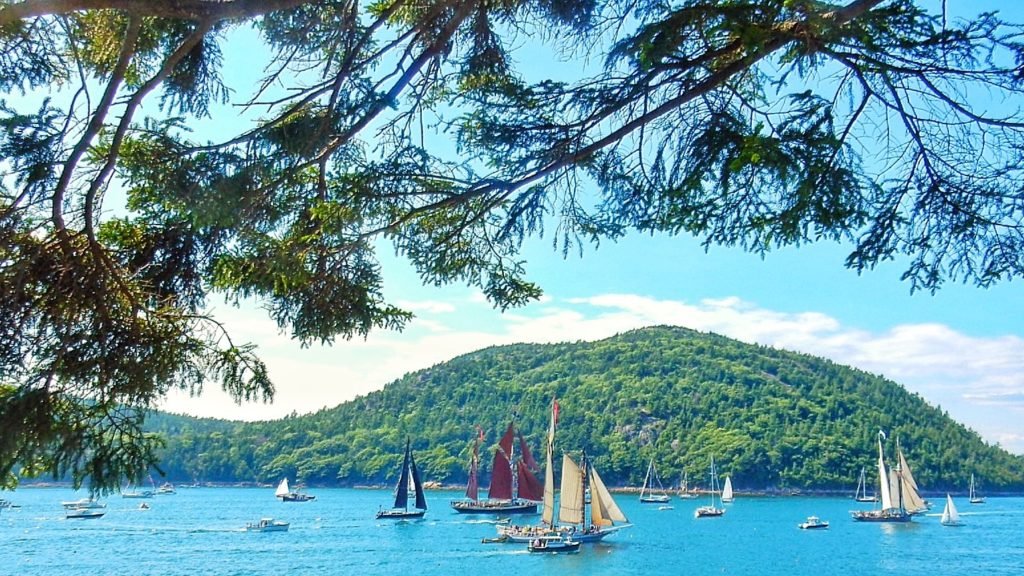
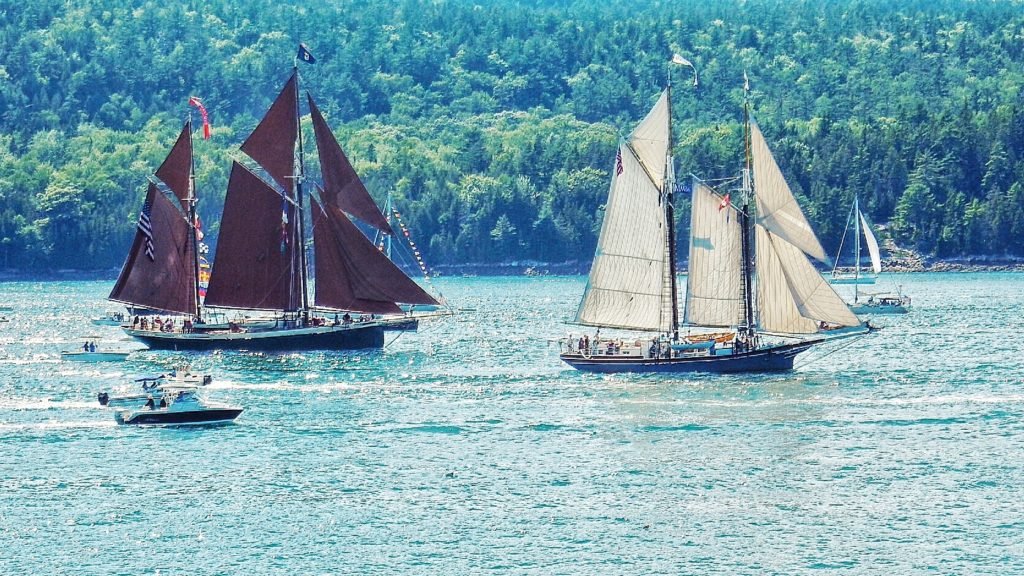
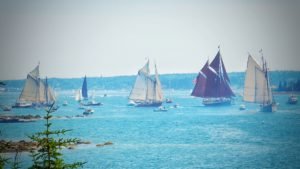
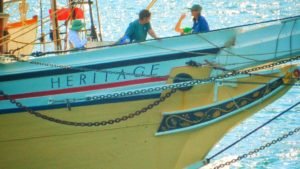
    (MT. DESERT ISLAND, MAINE) Crowds gathered on the banks of Somes Sound in the heart of Acadia National Park for a maritime show of multi-masted sailing vessels in honor of Acadia’s 100th anniversary. The Maine Windjammer Association organized the August 2nd parade of North America’s oldest fleet of commercial schooners, all escorted into the mouth of Somes Sound by dozens of yachts, sail boats and other vessels.schooner bank On a cool, breezy sunny afternoon, full-sail schooners gracefully glided through the water, making several passes around the Sound to applause from hundreds of enthusiastic spectators, who gathered hours earlier to park along the waterfront off Sargent Drive. schooner wideThe Lewis R. French was the grand old man of the parade. Built in 1871, the French is a National Historic Landmark and is the oldest Windjammer in America. IMG_8053Over its life the vessel has transported fish, coal, lime, bricks and today up to 21 paying passengers on vacation. The 95 foot Angelique was built in 1980 and can host 29 passengers . According to the Maine Windjammer Association , the Angelique is patterned after the 19th century sailing ships that fished off the coast of England. IMG_8054The Heritage was built three years later, carries 30 passengers, and has its home port in Rockland, Maine. The boat was built in the tradition of a 19th century coaster. The American Eagle has a unique and rich history. Built in 1930, the Eagle spent more than 50 years working the sea as a member of the famed Gloucester, Massachusetts fishing fleet. The boat is designated as a Windjammer National Historic Landmark. IMG_8050
    The Isaac H. Evans is steeped in tradition and history. Built in 1886, the Evans is observing her 128th anniversary. Her roots trace back to America’s fishing industry, and also has National Historic Landmark designation. Her deck is 65 feet in length and can carry 22 passengers.

    IMG_8052

    The Ladona originally sailed in 1922 in Boothbay Harbor, Maine. It was built as a pleasure yacht for the Loring family. The schooner won the 1923 Bermuda’s cup in her class.  Ladona served in World II assisting the US Navy as a submarine patrol. Today, Ladona accommodates up to 16 guests.

    AcadiaCentennialLogoFinal

    The schooner parade was just one of many events celebrating the centennial anniversary of Acadia National Park.


  • Grand Watchtower Celebrates Native American Culture

    Grand Watchtower Celebrates Native American Culture

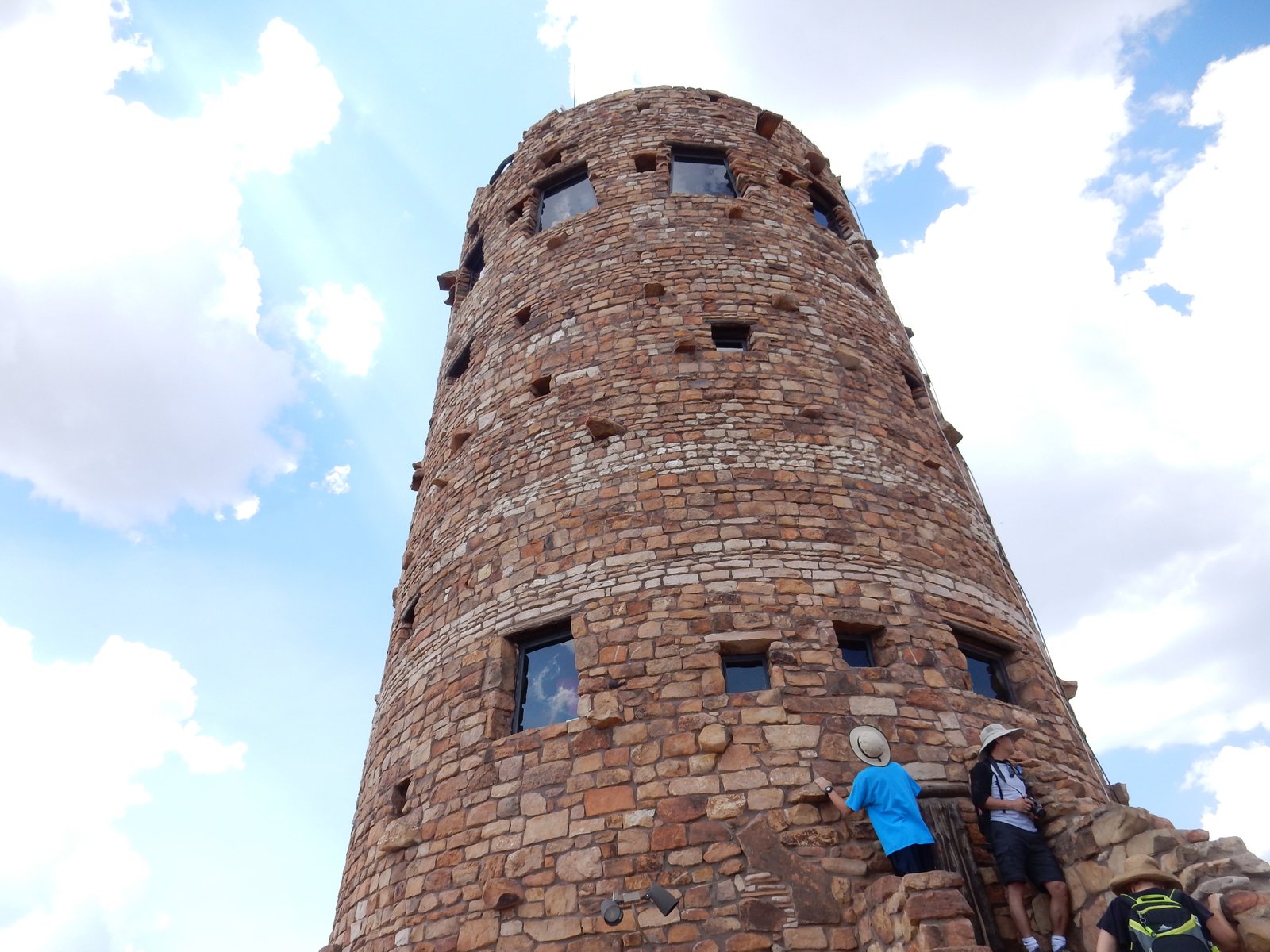
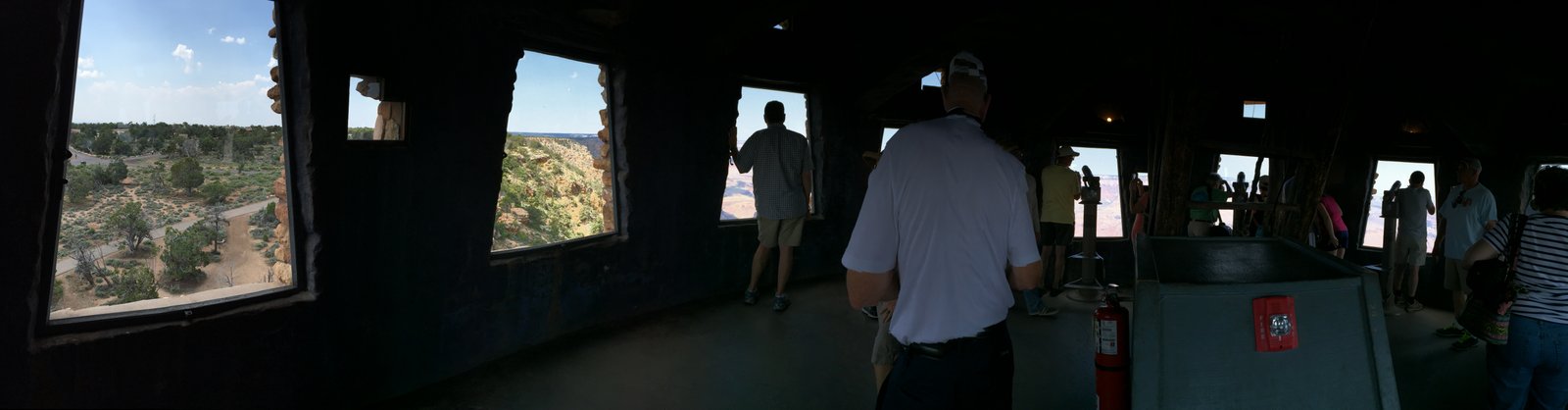
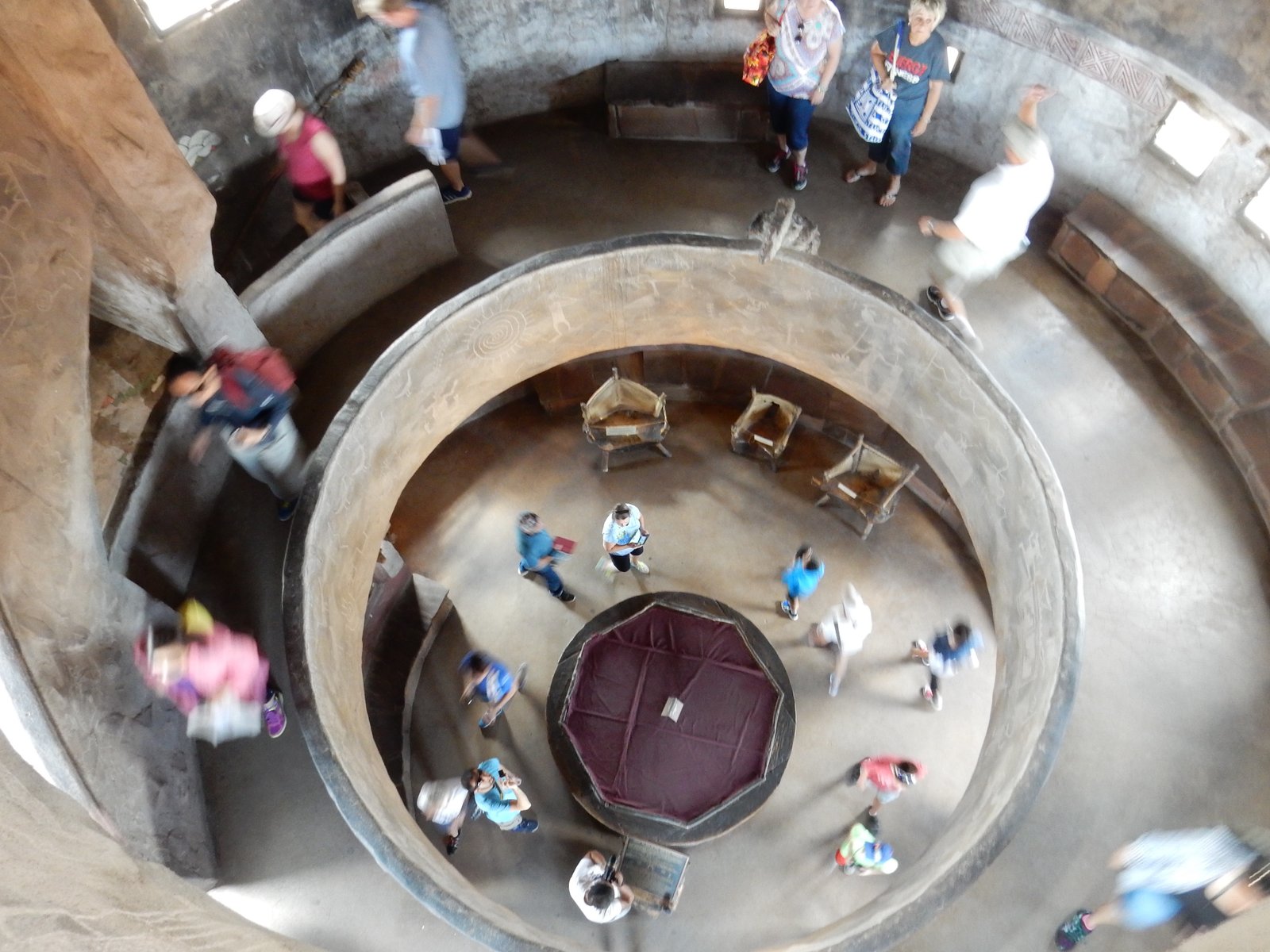
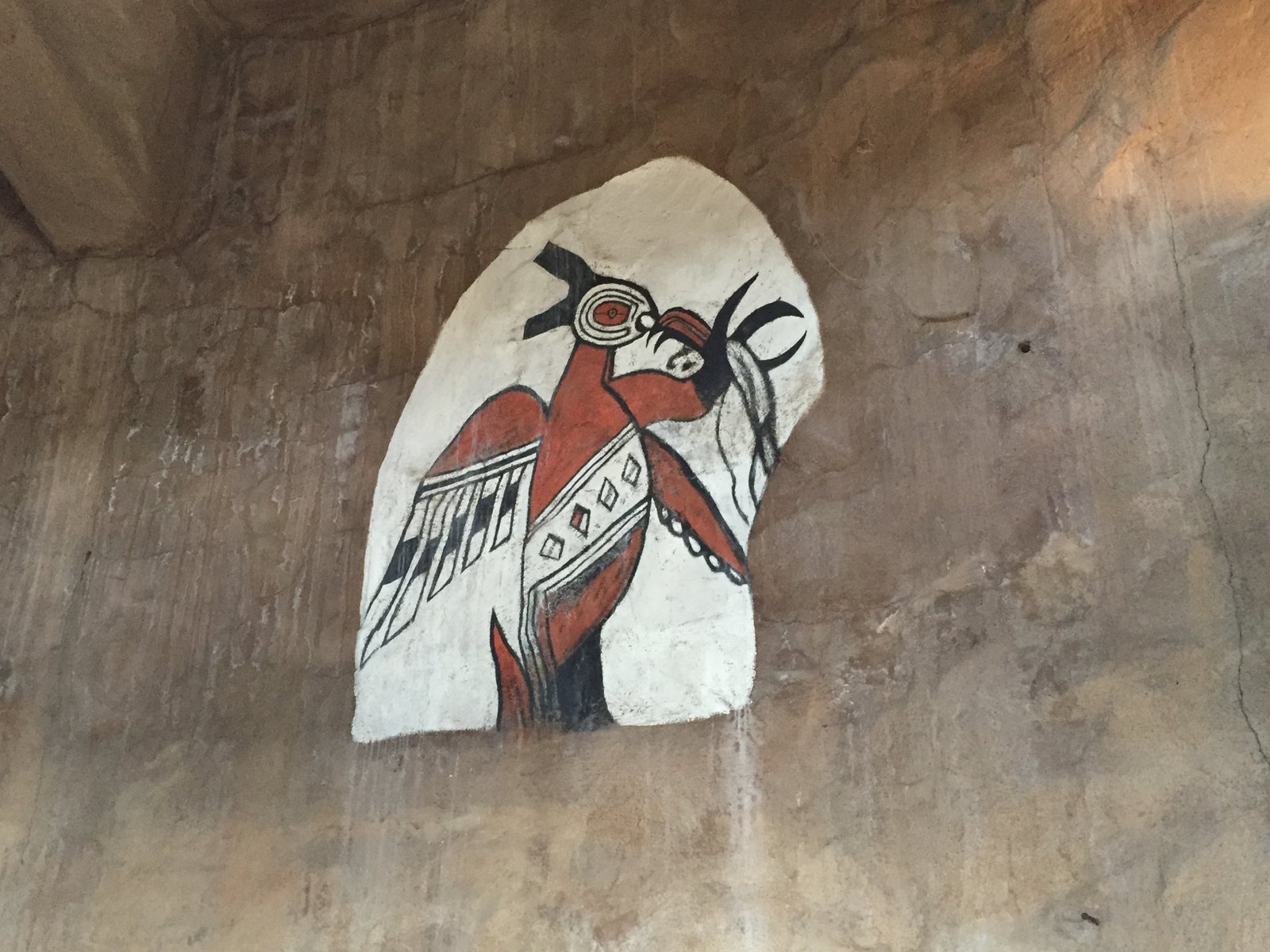
    (Mellow Wanderer-Grand Canyon) Perhaps the most iconic Grand Canyon image is the one paying homage to Native Americans. The Watchtower at Desert View rises 70 feet on the southeastern edge of the canyon, giving visitors panoramic views down to the Colorado River. DSCN1405Famed 20th century architect Mary Colter designed and directed  construction of the Watchtower, which opened in 1932. Mary_Elizabeth_Jane_ColterColter described her work as a re-creation of the traditional watchtower, but made a bigger, grander version. Obviously, she was looking for maximum jaw dropping effect ( I had to hold mine just below the belt line the entire time I was there!). The tower and views from it deliver a big wow-factor. Colter honored Native American culture by designing the ground floor of the Watchtower as a kiva, a round gathering area for Pueblo religious rituals and social gatherings. Large mid-floor to ceiling framed windows lookout to the canyon with all its glorious scenery.  IMG_0985Many of Colter’s architectural creations at the Grand Canyon have fireplaces and furniture made from native trees. The Watchtower has those features, too. The wood ceiling was salvaged from logs used at the old Grand View Hotel, which was the first hotel built at the Grand Canyon.  DSCN1400From ground level, a spiral staircase ascends to multiple levels; each has a series of lookout windows. The first level honors the Hopi tribe. F801B2F6-155D-451F-67257363C014721A-largeAccording to legend, Hopi first entered the world in the Grand  Canyon through a small opening at the very depth of the canyon. Hopi believed their spirits pass back through this opening upon their deaths. Hopi artist Fred Kabotie (pictured left) added wall murals to the Watchtower to IMG_0975reflect Hopi heritage and history, including the traditional Hopi Snake Dance, which was an annual ritual in August. Desert View Watchtower is a National Historic Landmark and is on the National Register of Historic Places. On January 1, 2015, the Watchtower was purchased by the National Park Service from the concessionaire who managed it.  NPS plans to restore the tower with an emphasis on making it more of a tribute to Native Americans. Plans are to bring back craft artists, dancers, musicians and guest speakers.

    There’s no charge for entering the Watchtower. The attraction is included in the Grand Canyon entry fee. The staircase to the top is rather narrow and there are no public accomodations for the disabled and those in wheelchairs. The Watchtower and Desert View observation areas are open year round. There’s plenty of parking, including recreational vehicles, and a nearby campground. Desert View has a gas station, restrooms, trading post, snack bar and market.


    [Best_Wordpress_Gallery id=”2″ gal_title=”Desert View Watchtower”]

    IMG_6040


    Mellow Wanderer

    Photo Credit: Mary Colter (NPS); Fred Kabotie (NPS)

  • Historic Pueblo Trail Is A Grand Canyon Hiking Gem

    Historic Pueblo Trail Is A Grand Canyon Hiking Gem

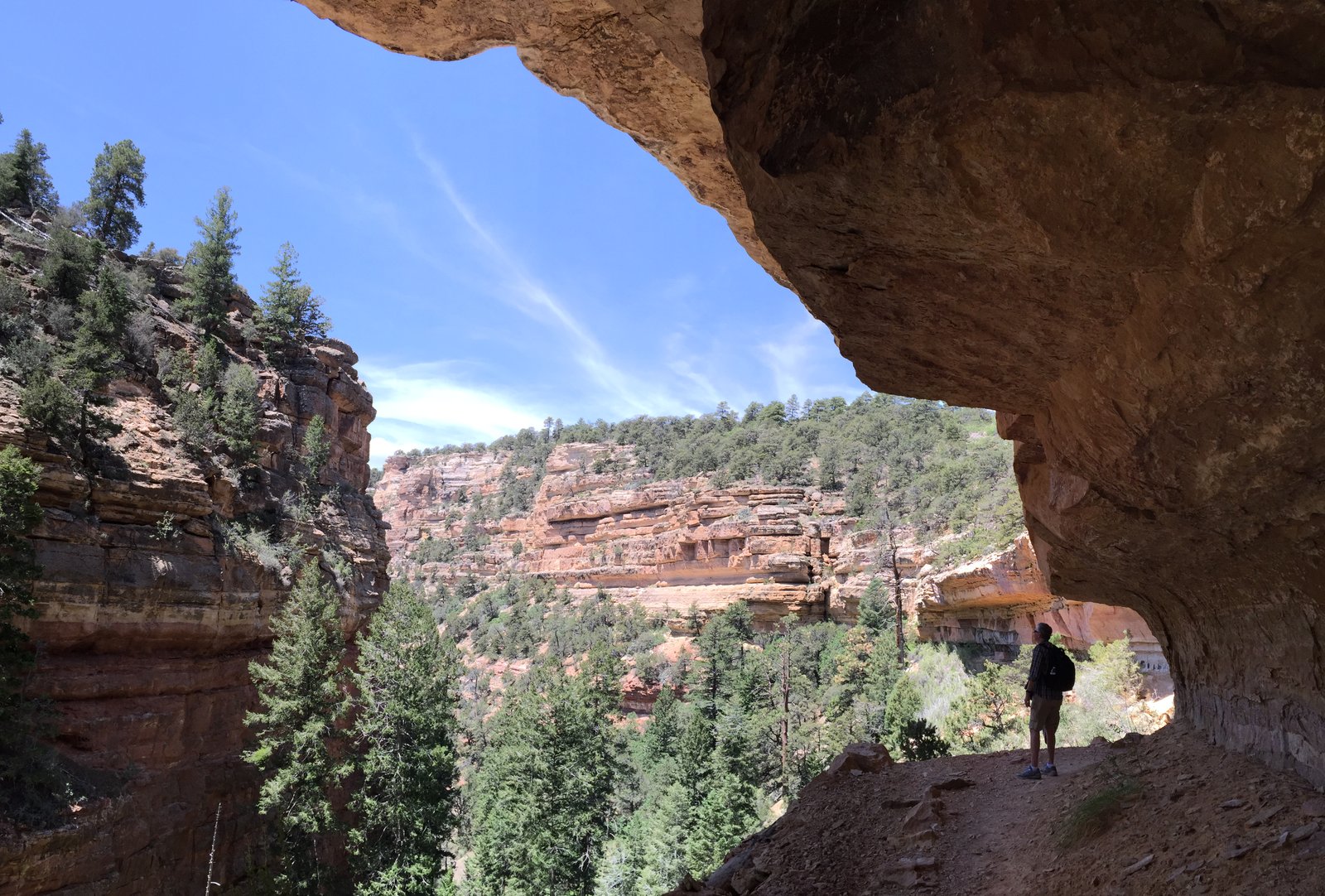
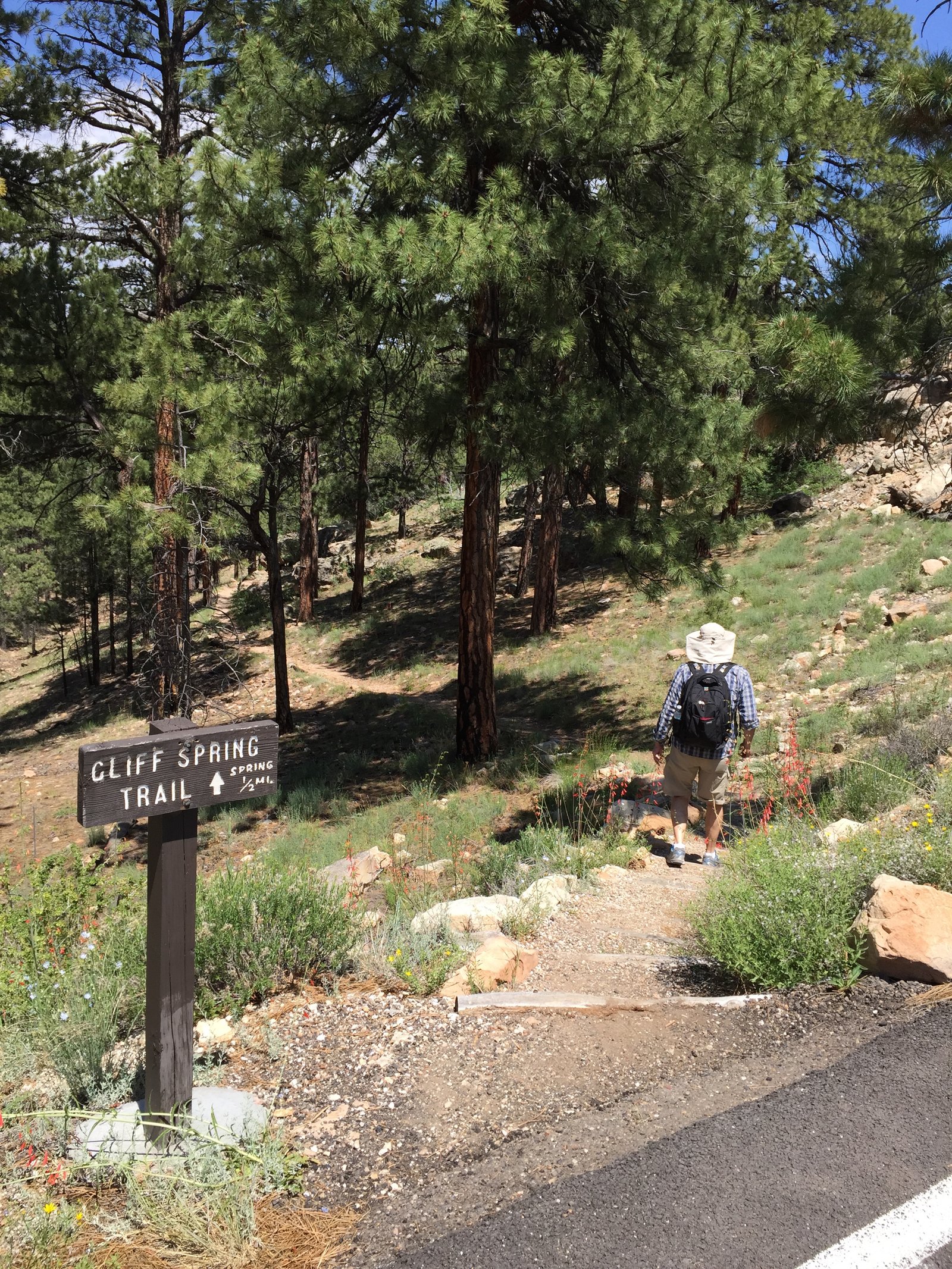
    IMG_1376(Mellow Wanderer) Cliff Spring Trail isn’t the most challenging hike in Grand Canyon National Park. Technically, this trail is on the opposite side of the famed North Rim, and, typically, if heads are craned while driving and gawking at the Grand Canyon, tourists will miss the Cliff Spring Trail entrance. You don’t want to miss this!

    springedit

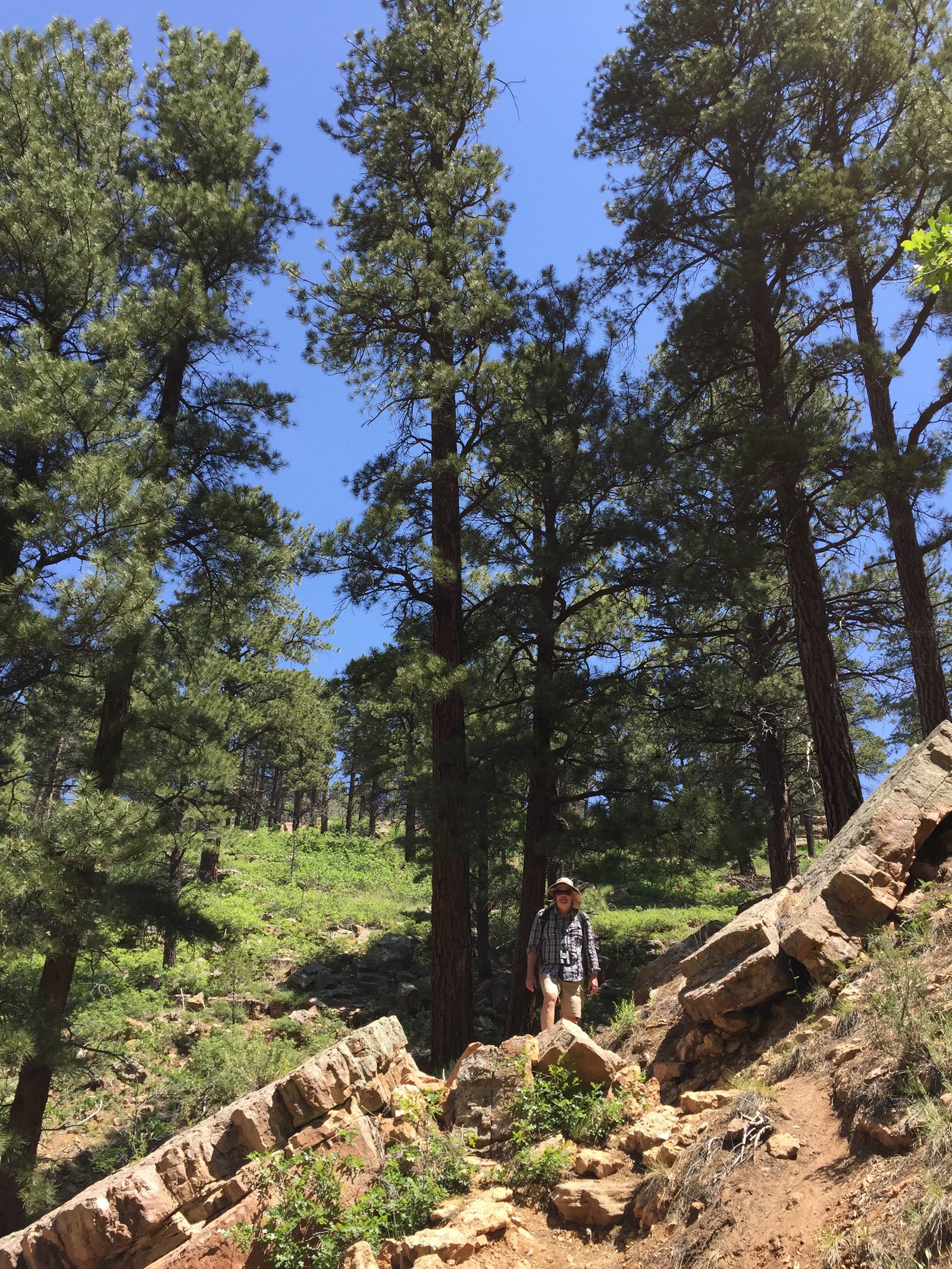
    The trail is located on the road that dead-ends at Cape Royal. It’s a mile in length (1.6km) and takes about an hour of round-trip hiking. You’ll snake along and down a forested ravine with the fresh scent of pine and evergreens.

    IMG_1364

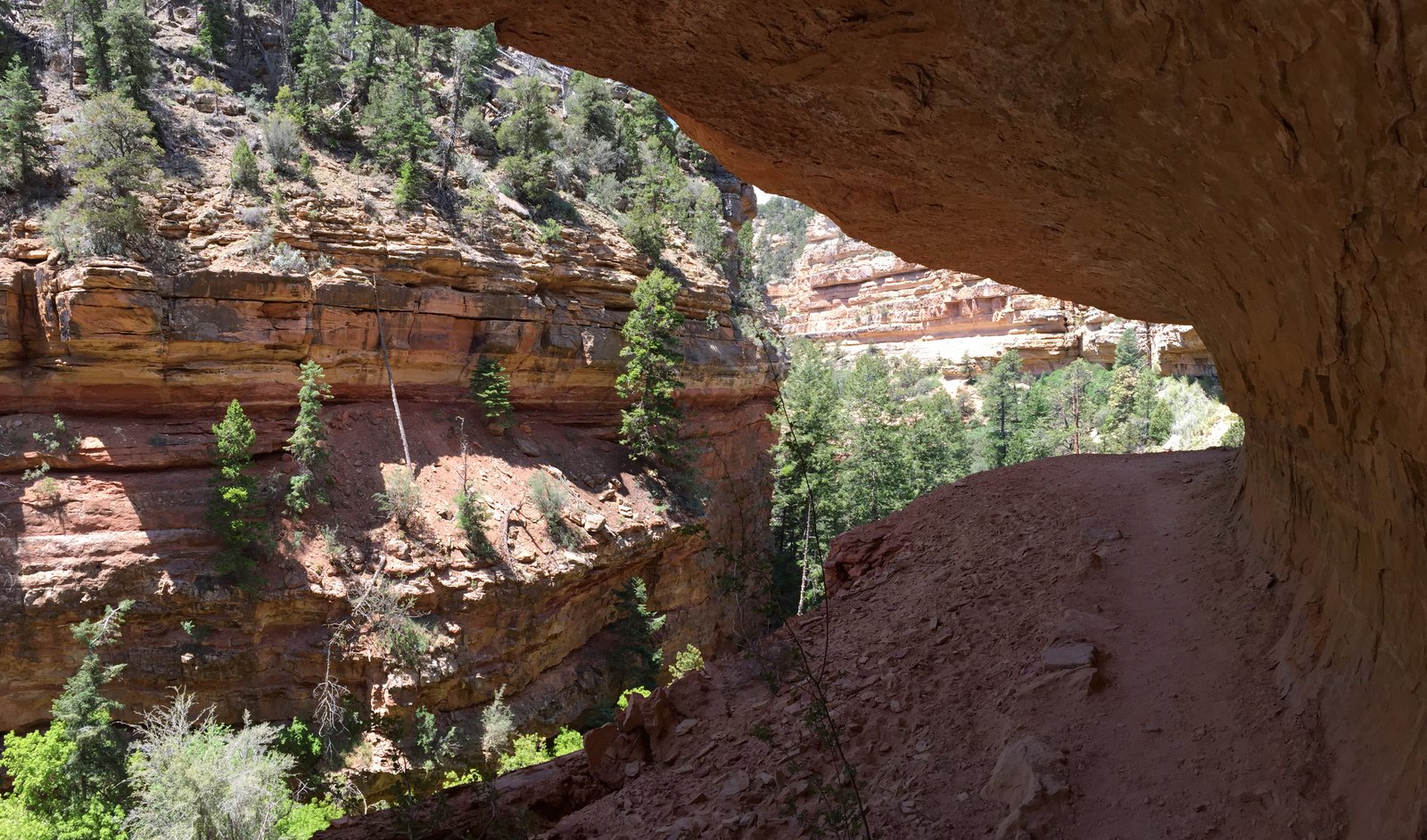
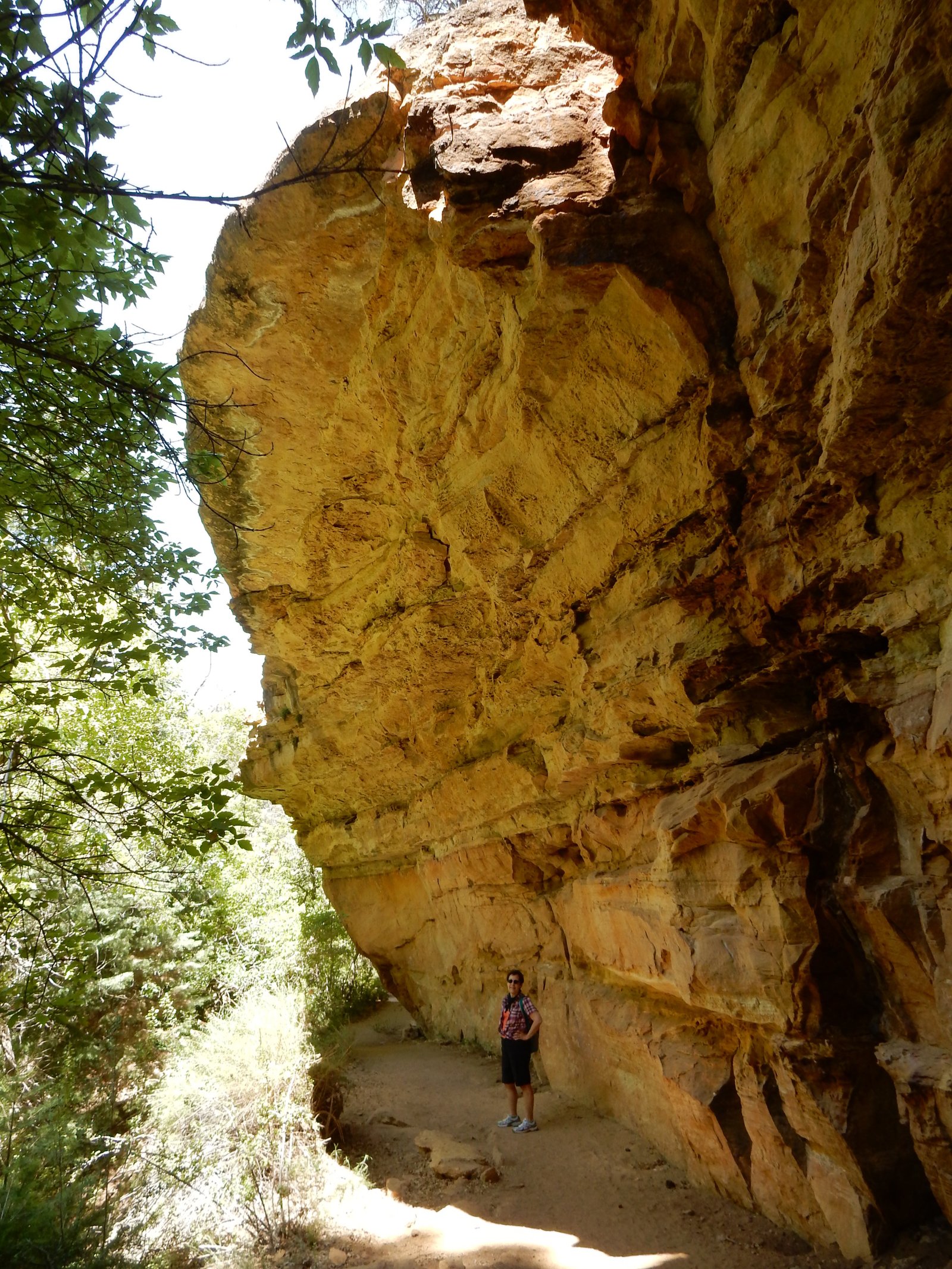
    The trail narrows and ends under a large overhang and then opens up to a spectacular natural window of stunning vistas of the Grand Canyon. There’s not much foot traffic, so you’ll have lots of quiet time to soak it all in. The spring is just a big muddy puddle, punctuated with deer hoofprints. Don’t drink the water since it maybe contaminated.

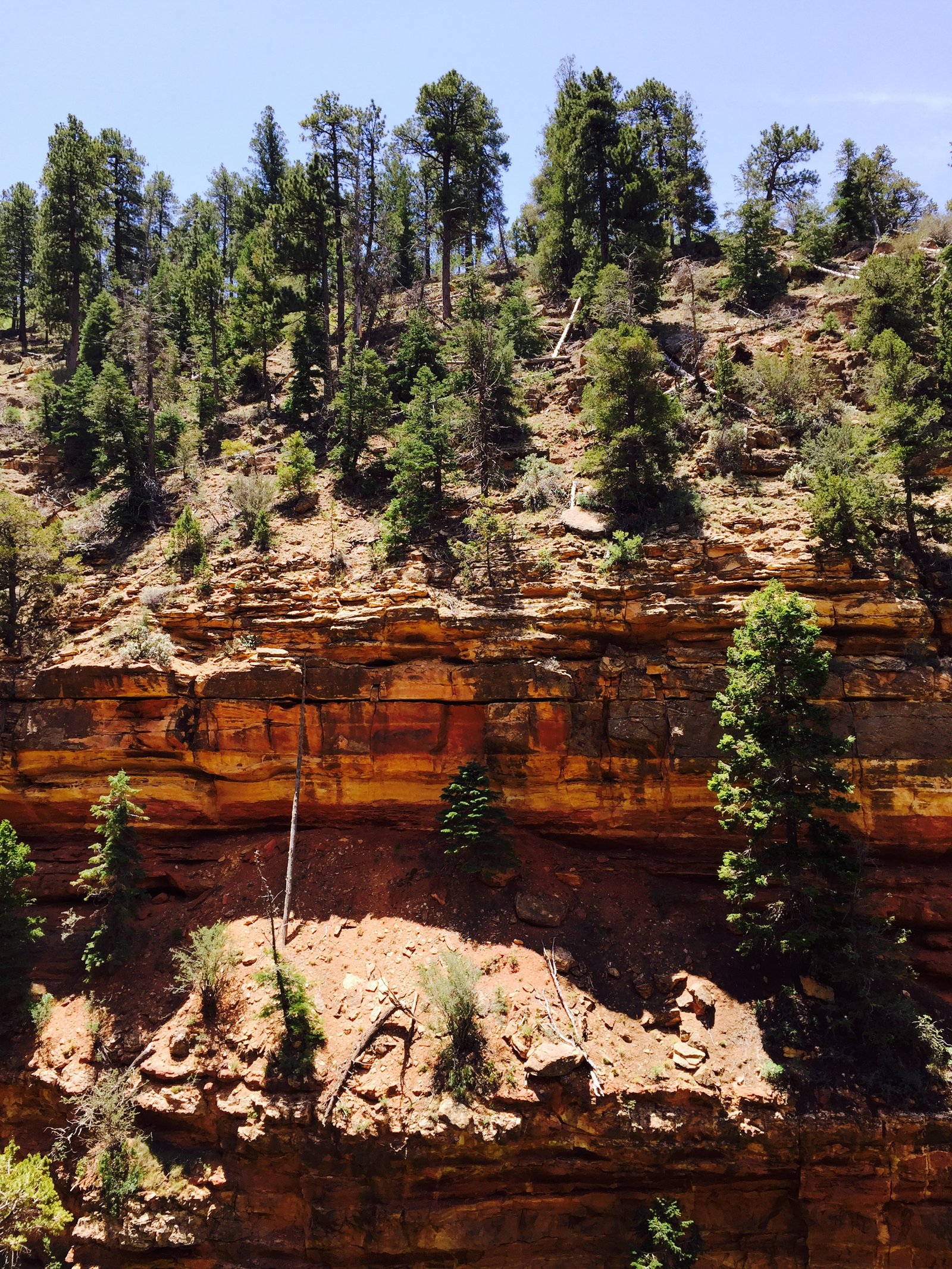
    DSCN1585Moss covers the underside of the cliff, and you can see spring water droplets slowly drip, forming the puddle in the photo on the left. A large part of the trail is on the cliff’s edge. It’s an easy, flat hike full of beauty and history. IMG_1401Long ago, the spring was the water source for Native American Pueblos, who were cliff dwellers and roamed the canyons and valleys of the Grand Canyon during spring and summer.

    Along the way, you will see the preserved remains of an ancient Pueblo granary . Take plenty of water with you to stay hydrated. Energy bars, too. The trail begins directly across the road from a small pullout on a curve 0.3 miles / 0.5 km down the road from Cape Royal. This is a Mellow Wanderer Gem! 

    IMG_1372

    DSCN1579